Top 2025 Alternatives to Wood PVC: Eco-Friendly Options You Need to Know
As the demand for sustainable building materials continues to rise, the search for viable alternatives to traditional wood PVC has become increasingly important. Wood PVC has been a popular choice due to its affordability and versatility, but concerns over environmental impact and sustainability have prompted a shift towards more eco-friendly options. This article explores the top alternatives to wood PVC for 2025, highlighting innovative materials that not only minimize ecological footprints but also offer durability and aesthetic appeal.
Alternative wood PVC materials range from natural composites to fully recyclable substances, catering to a wide array of architectural and consumer needs. In addition to their environmental benefits, these alternatives also provide the same aesthetic qualities and functional characteristics that have made wood PVC a staple in construction and design. As we delve into the top alternatives for the upcoming years, it is essential to consider how these materials contribute to a more sustainable future while still meeting industry standards and consumer expectations. By embracing alternative wood PVC options, we can foster a healthier planet and more responsible building practices.
Top Eco-Friendly Alternatives to Wood PVC for 2025
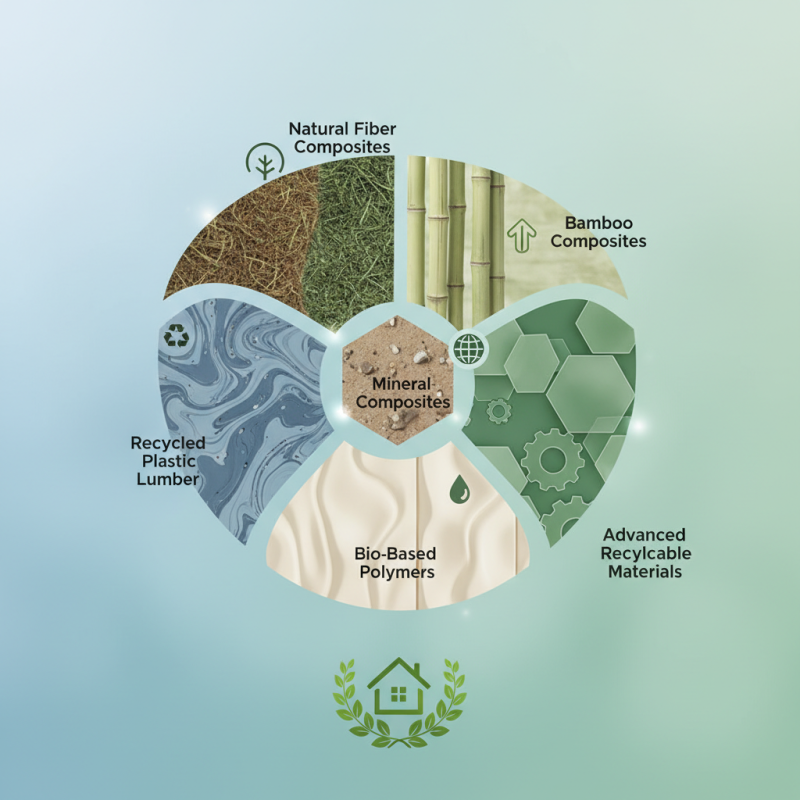
As we move towards 2025, the demand for eco-friendly building materials continues to rise. Traditional wood PVC has long been a staple in construction and design, but its environmental impact has prompted many to seek alternatives. Eco-friendly options such as bamboo, reclaimed wood, and recycled composites are gaining traction due to their sustainability and reduced carbon footprints. According to a recent report by the International Materials and Sustainability Association, the use of bamboo can cut overall material emissions by up to 40% compared to traditional wood PVC.
In addition to bamboo, reclaimed wood presents a valuable opportunity to utilize existing materials while minimizing waste. This approach not only preserves natural resources but also contributes to a unique aesthetic that many homeowners and designers appreciate. A study by the Green Building Council highlights that using reclaimed wood can reduce energy consumption during manufacturing by as much as 73%, making it a compelling choice for environmentally-conscious builders.
Tips for choosing eco-friendly materials include evaluating the lifecycle impact of the product, from extraction to disposal. Opting for local sources can further reduce transportation emissions and support local economies. Additionally, collaborating with suppliers who prioritize sustainable practices ensures that the materials you select are both environmentally responsible and of high quality. By considering these factors, you can make informed decisions that not only benefit your projects but also contribute to a healthier planet.
Market Overview: Growth of Eco-Friendly Materials in Construction
The construction industry is witnessing a significant shift towards eco-friendly materials, driven by increasing environmental awareness and regulatory pressures. As concerns about climate change and sustainability grow, builders and consumers alike are seeking alternatives to traditional materials like wood and PVC. This momentum is reflected in market trends that prioritize sustainable options, fostering innovations in material science that make eco-friendly choices more accessible and practical.
One notable development is the rising popularity of biocomposite materials, which blend natural fibers with renewable polymers. These materials not only reduce reliance on fossil fuels but also provide comparable durability and design flexibility to conventional options. Additionally, materials such as bamboo, hemp, and recycled products are gaining traction due to their lower carbon footprints and minimal environmental impact. As architects and designers embrace these sustainable alternatives, the market for eco-friendly construction materials is expected to expand rapidly, shaping the future of the building sector towards greener practices.
Comparative Analysis of Sustainability: Wood vs. Alternative Materials
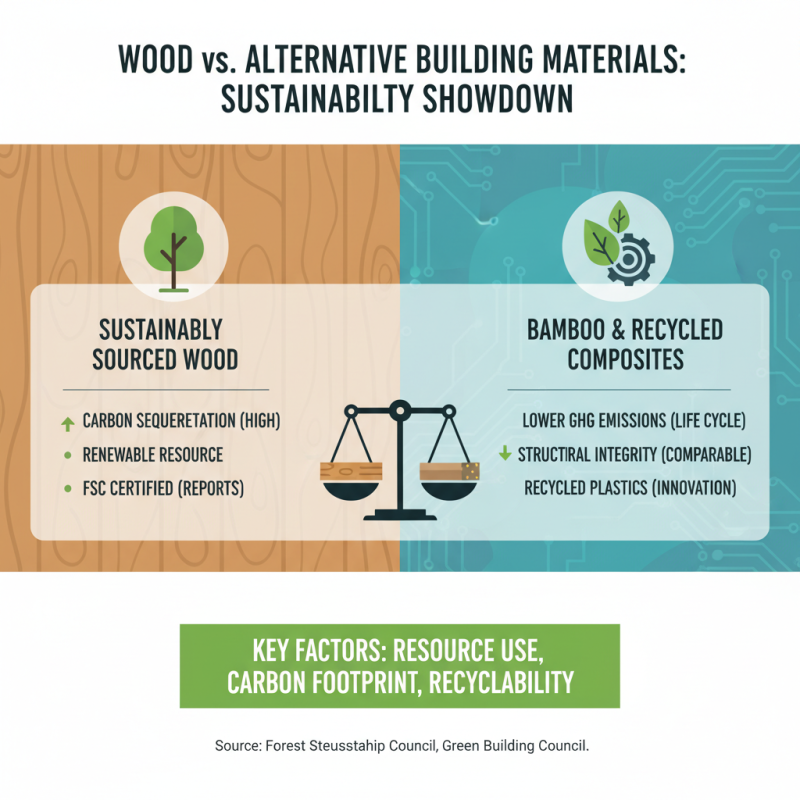
When evaluating the sustainability of wood versus alternative materials, it's essential to consider various environmental impacts, including resource consumption, carbon footprint, and recyclability. According to a report by the Forest Stewardship Council, sustainably sourced wood has a significant advantage in terms of carbon sequestration, yet the demand for alternative materials has surged in recent years. Research from the Green Building Council indicates that materials like bamboo and recycled plastic composites offer comparable structural integrity and lower greenhouse gas emissions throughout their life cycle.
In terms of resource efficiency, bamboo is notable for its rapid growth rate, requiring only a fraction of the time to mature compared to traditional hardwoods. It can reach full height in just 3-5 years, as opposed to decades for many trees. Meanwhile, recycled plastic products not only divert waste from landfills but also reduce the need for virgin plastic production, thus cutting down on fossil fuel consumption. A study by the International Recycling Association found that recycled plastics can save up to 80% in energy usage compared to newly produced plastic.
Tips for making eco-friendly material choices include looking for certifications such as the Forest Stewardship Council (FSC) or choosing products made from post-consumer recycled content. Additionally, consider the durability and lifespan of materials—long-lasting choices often result in lower overall environmental impact due to reduced frequency of replacement. Lastly, explore local sourcing options to decrease transportation emissions and support regional economies.
Innovative Alternative Materials: Bamboo, Recycled Plastics, and More
As the quest for sustainable building materials intensifies, innovative alternatives to traditional wood and PVC are emerging, notably bamboo and recycled plastics. Bamboo is rapidly gaining popularity due to its remarkable growth rate and renewability. This grass can grow up to three feet in just 24 hours, making it an incredibly efficient resource. In addition to being durable and lightweight, bamboo can be processed into various products, from flooring to furniture, without compromising its strength or aesthetic appeal.
Recycled plastics represent another forward-thinking solution. By repurposing waste materials, these alternatives not only help reduce environmental impact but also create durable products that can withstand elements better than wood or PVC. From composite decking to stylish outdoor furniture, recycled plastics offer versatility while diverting waste from landfills. Together, bamboo and recycled plastics not only provide eco-friendly options for construction and design but also encourage a shift towards a circular economy, where materials are continuously reused and sourced responsibly.
Top Alternative Eco-Friendly Materials in 2025
This chart illustrates the projected popularity and usage of various eco-friendly materials as alternatives to Wood PVC in 2025.
Cost Efficiency and Performance: Evaluating Eco-Friendly Options
As the demand for sustainable materials grows, many are turning away from traditional wood PVC in search of eco-friendly alternatives that do not compromise on performance or cost. Evaluating these options requires a thorough analysis of both long-term affordability and environmental impact. Materials such as bamboo composites and recycled plastics are making significant strides in mimicking the qualities of wood PVC while offering better resilience and a lower carbon footprint. These alternatives not only reduce deforestation and plastic waste but also outperform wood PVC in terms of durability and maintenance.
Cost efficiency is another crucial consideration. While the upfront investment for some eco-friendly materials may be higher, the long-term benefits often outweigh the initial costs. For instance, many sustainable options provide enhanced energy efficiency, leading to lower heating and cooling expenses. Additionally, their resistance to decay and pest damage translates to reduced replacement and maintenance costs over time. By carefully assessing the lifecycle costs along with environmental benefits, consumers can make informed decisions that align with both their financial goals and sustainability values.