2026 Top Alternative Wood PVC Options for Sustainable Flooring
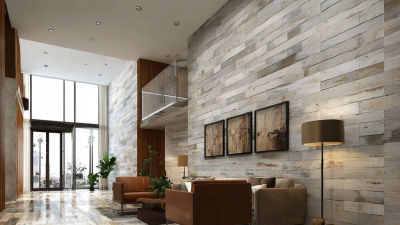
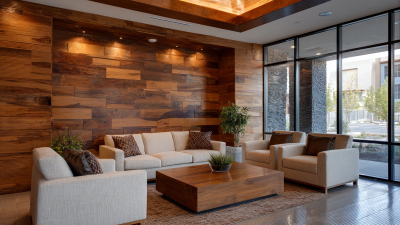
In recent years, the demand for sustainable flooring has increased significantly. Homeowners and builders are seeking alternatives to traditional materials. One promising solution is Alternative Wood PVC. This innovative flooring option combines the look of hardwood with enhanced durability and lower environmental impact.
Alternative Wood PVC offers several advantages. It is resistant to moisture and scratches. This makes it suitable for various environments, including kitchens and bathrooms. Additionally, it often requires less maintenance than natural wood. However, potential buyers should reflect on how these materials are sourced and produced.
While the aesthetics of Alternative Wood PVC mimic real wood, there are limitations to consider. Some may find the texture less authentic. Moreover, not all brands are created equal. Research is essential to find high-quality products that truly meet sustainability standards. Addressing these aspects can lead to better choices for the planet and our homes.

Introduction to Sustainable Flooring Alternatives
Sustainable flooring is gaining popularity as more consumers seek eco-friendly options. According to a report by the Global Flooring Market, the demand for sustainable flooring is projected to grow by 10% annually until 2026. This surge reflects a shift towards materials that contribute less to environmental degradation.
One alternative gaining traction is engineered wood. It combines real wood with advanced manufacturing processes, reducing waste. This option uses up to 50% less natural material compared to traditional solid wood flooring. Another promising choice is bamboo. It's a fast-growing grass that can be harvested in just three to five years. This renewable resource offers both durability and aesthetic appeal.
However, not all alternatives are perfect. Some eco-friendly options might not have the same lifespan as their traditional counterparts. Certain types of recycled materials can also compromise on quality. It is essential for consumers to research and consider their choices carefully. Balancing aesthetics, price, and sustainability is not always straightforward. As the market matures, better options will likely emerge, but vigilance remains key.
Understanding Wood and PVC Flooring Impacts on the Environment
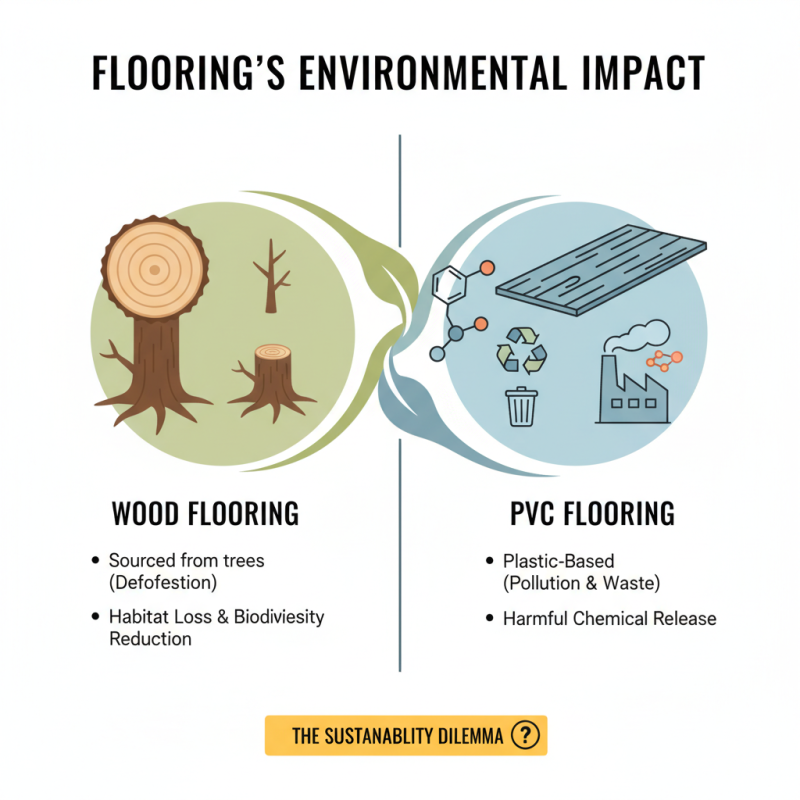
Wood and PVC flooring options greatly affect the environment. Traditional wood floors come from trees. Deforestation leads to habitat loss and biodiversity reduction. Meanwhile, PVC flooring, made from plastic, contributes to pollution and waste. The production process releases harmful chemicals. This creates a dilemma for sustainable choices.
Consider alternatives like bamboo or cork. These materials grow quickly and are renewable. They can offer durability without environmental harm. Also, think about recycled materials. Reclaimed wood offers a rustic charm and reduces waste. It keeps trees in the forest.
Tips for eco-friendly choices: Research the source of wood. Look for certifications that ensure sustainability. Additionally, consider local options. Transporting materials increases carbon footprint. Choose lightweight, lower-impact products whenever possible. Remember, the decisions we make today shape the future of our planet.
Exploring Alternative Materials for Eco-Friendly Flooring Solutions
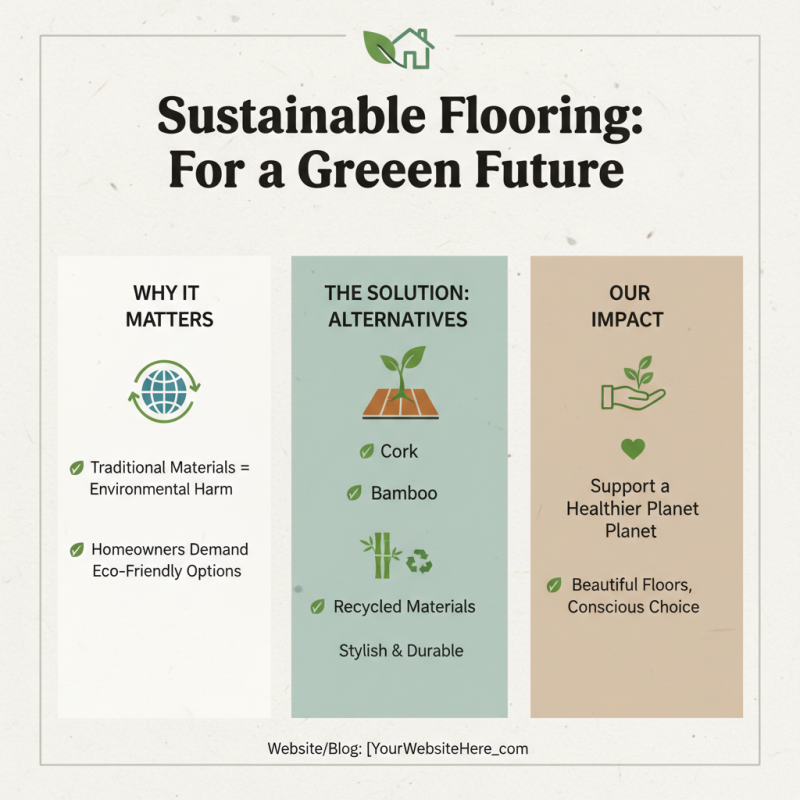
Sustainable flooring is more important than ever. Many homeowners want eco-friendly options. Traditional materials often harm our planet. Luckily, there are alternative materials. These alternatives not only look great but also support a greener future.
Bamboo is a popular choice. It grows quickly, making it a renewable resource. Moreover, it has a unique aesthetic appeal. Cork is another option. It's harvested from the bark of trees, allowing the tree to live on. This method avoids deforestation. However, sourcing can be tricky and depends on regional practices.
Recycled rubber also stands out. It comes from old tires and other rubber products. This process helps reduce waste. Yet, some people question its longevity and style. Each alternative has benefits and drawbacks. It's crucial to research and reflect before making a choice.
Comparative Analysis of Top Alternative Wood PVC Options
In the quest for sustainable flooring, alternative wood and PVC options have gained traction. Research indicates that these materials can significantly reduce environmental impact compared to traditional hardwood floors. For instance, studies show that using recycled PVC can lower carbon emissions by 40%. However, it's essential to consider the durability and maintenance of each option. Some materials may require more frequent replacement, negating their initial environmental benefits.
A comparative analysis reveals that bamboo, a fast-growing grass, emerges as a top contender among alternative wood options. It can reach maturity in just three to five years. In contrast, the production of traditional hardwood takes decades, making bamboo a much quicker renewable resource. On the downside, bamboo's sensitivity to moisture can lead to warping in humid environments.
PVC, on the other hand, offers versatility and affordability. Yet, its production raises concerns due to potential toxic emissions. A report from the Environmental Protection Agency highlights these risks, urging homeowners to evaluate their choices carefully. While the market offers a variety of alternatives, understanding their long-term impacts is crucial for sustainable flooring. Balancing aesthetics, cost, and environmental implications requires reflection and informed decision-making.
Benefits and Challenges of Sustainable Flooring Choices
Sustainable flooring choices are changing the market. People seek options that reduce environmental impact while still offering style. However, these alternatives come with benefits and challenges that deserve attention.
One key benefit of sustainable flooring is its environmental impact. Materials like bamboo and cork are renewable resources. They grow quickly, unlike traditional hardwood. Many alternative woods boast durability. Yet, they can be cost-prohibitive. Installation may not always be easy, which can deter homeowners.
Consider these tips when opting for sustainable flooring. Research local availability of materials. Some products might not be easy to find in every region. Examine potential maintenance requirements as well. Certain alternatives may need more care over time. Finally, reflect on the long-term investment. While initial costs may be higher, the lasting impact on the environment is invaluable. Make sure you weigh the pros and cons carefully.
2026 Top Alternative Wood PVC Options for Sustainable Flooring