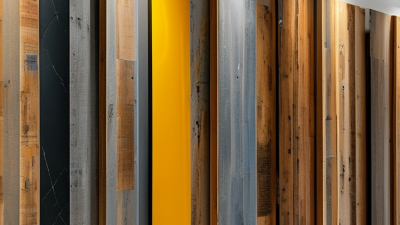
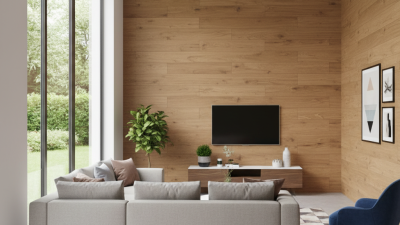
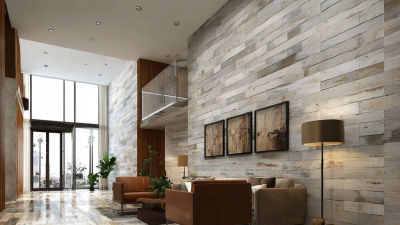
2026 Best PVC Wall Panel WPC Design for Global Buyers?
As the demand for innovative interior solutions grows, "PVC Wall Panel WPC Design" stands out. Leading expert in sustainable design, Dr. Alice Lang, emphasizes, "The integration of aesthetic and functionality is key in modern wall designs." Her insights reflect a shifting trend towards sustainable materials that offer both style and practicality.
The year 2026 will bring significant advancements in this industry. Designers are exploring new textures and colors, allowing for personalization. The unique blend of wood-plastic composite technology enhances durability and ease of maintenance, which appeals to a global audience. However, challenges remain, particularly in balancing environmental impact with production efficiency.
While many companies focus on catchy designs, the reliability of the product must not be overlooked. Investing in quality materials is essential for longevity. Some manufacturers might prioritize cost over sustainability, which can lead to future reflections on their choices. As we approach 2026, the importance of embracing innovation in "PVC Wall Panel WPC Design" will only become clearer.
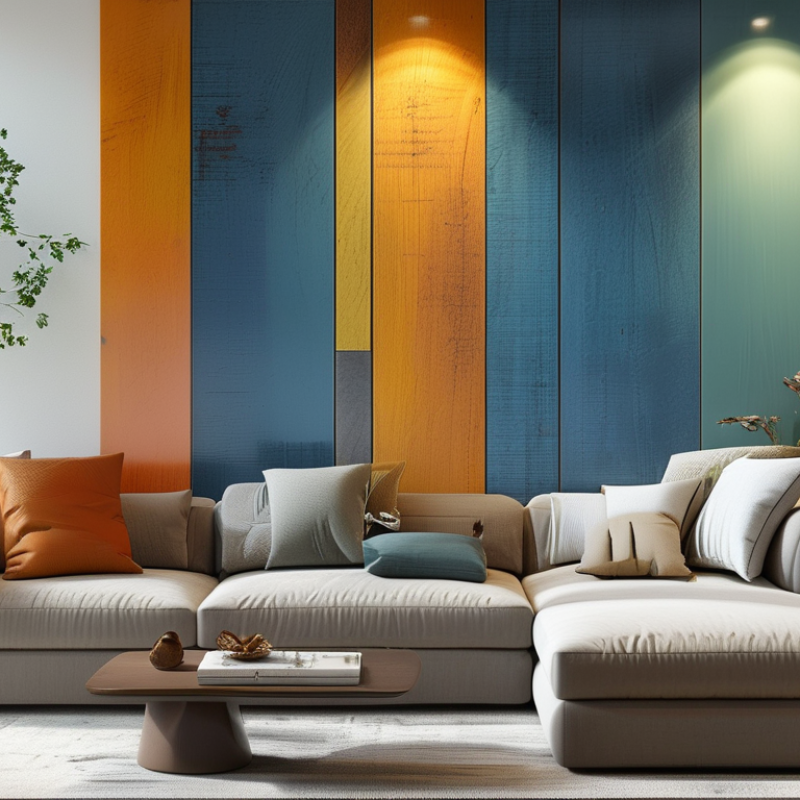
Overview of PVC Wall Panels and Their Significance in Modern Design
PVC wall panels have become pivotal in contemporary design. They provide an economical and stylish solution for various interior spaces. These panels come in various styles, colors, and textures, catering to diverse design schemes. The durability of PVC means they resist moisture, making them ideal for bathrooms or kitchens. This quality can enhance the lifespan of a project.
A notable trend in modern design is the demand for eco-friendly materials. PVC panels can be produced with recycled content, which appeals to many environmentally conscious buyers. Their lightweight nature simplifies installation, but the quality varies. Some panels may show wear or discoloration over time. Selecting high-quality options can mitigate this issue.
Designers are embracing PVC for creative applications. It allows for various patterns, including wood or stone looks. However, the aesthetic may not suit everyone's tastes. Understanding the balance between functionality and design is essential. In addition, buyer education on maintenance is critical. Many falsely believe these panels require little care.
2026 Best PVC Wall Panel WPC Design for Global Buyers
| Feature |
Description |
Benefits |
Applications |
| Material |
PVC and WPC (Wood Plastic Composite) |
Durable, resistant to moisture and insects |
Indoor and outdoor wall cladding |
| Thickness Options |
Varied, typically ranges from 8mm to 20mm |
Offers flexibility in design and use |
Residential and commercial buildings |
| Surface Finishing |
Glossy, matte, wood grain finishes |
Enhances aesthetic appeal |
Interior design, accent walls |
| Installation Method |
Click-lock, adhesive, or nail-down |
Quick and easy installation |
DIY projects, professional installations |
| Eco-Friendliness |
Recyclable and made from sustainable sources |
Promotes sustainability in construction |
Green building initiatives |
Key Features of WPC Design in PVC Wall Panels
WPC design in PVC wall panels has revolutionized the construction and interior design industries. The incorporation of wood-plastic composites (WPC) enhances durability and aesthetic appeal. According to a report by the Markets and Markets Research, the WPC market is expected to reach $9.3 billion by 2026, reflecting growing global demand.
These panels offer significant benefits. They are resistant to moisture and termites, making them ideal for various environments. With a range of finishes and designs available, they are versatile. Color retention and UV resistance are crucial features, as they enhance longevity. Studies indicate that WPC panels can last up to 25 years with proper maintenance, surpassing traditional materials.
Despite these advantages, challenges persist. Manufacturing consistency varies among producers, impacting quality. Some panels may suffer from warping or fading over time, which requires further research and development. Buyers must carefully consider these aspects when choosing WPC designs for their projects.
Comparative Analysis of Global Trends in PVC Wall Panel Designs
The global demand for PVC wall panels is on the rise. Analyzing current trends reveals fascinating insights. Different regions are embracing unique design features that cater to local preferences. For instance, European markets favor minimalist aesthetics with natural wood textures. In contrast, Asian markets are inclined towards vibrant colors and intricate patterns.
Innovation plays a key role in shaping these trends. Eco-friendly materials are increasingly being incorporated into designs. Buyers are looking for sustainable options that reduce environmental impact. However, not all designs successfully balance aesthetics and functionality. Some panels may lack durability, leading to buyer dissatisfaction.
Consumer feedback highlights the need for improvement in design and manufacturing processes. While trends vary, adaptability is crucial. Manufacturers must stay attuned to shifting preferences and technological advancements. Continuous reflection on consumer needs will drive future innovations in the PVC wall panel industry.
Sustainability and Environmental Impact of PVC Wall Panels
PVC wall panels have gained popularity due to their durability and aesthetic appeal. However, it's essential to examine their sustainability and environmental impact. Many buyers often overlook the long-term consequences of using PVC materials. While they provide a sleek appearance, the manufacturing process can be energy-intensive and release harmful chemicals.
The production of PVC wall panels typically involves chlorine and ethylene, both of which can harm ecosystems. Additionally, the disposal of PVC products poses significant environmental challenges. When incinerated, PVC can release dioxins, which are toxic substances. Recycling options exist but are not always effective, as many facilities lack the capability or incentives to process PVC.
Sustainable alternatives are emerging, but they require careful consideration. Some manufacturers are exploring bio-based materials or improved recycling methods. Moreover, promoting awareness among consumers is crucial. Buyers should ask questions about the materials used and their life cycle. Making informed choices can lead to better environmental outcomes and foster a more sustainable industry. It's vital to weigh the benefits against the potential environmental costs of PVC wall panels.
Future Innovations and Trends in PVC Wall Panel Applications
The PVC wall panel industry is experiencing significant innovations, shaping future applications. According to a recent market analysis, the global PVC wall panel market is projected to reach $8.7 billion by 2026, with a CAGR of 7.2%. This growth indicates a booming demand for aesthetic yet functional solutions in interior design.
Trends show an increasing preference for environmentally friendly materials. Many manufacturers are adopting recycled content in their PVC wall panels. This shift aligns with consumer demand for sustainability. Additionally, digital printing technologies are revolutionizing design options, allowing for intricate patterns and textures that resemble natural materials. These advancements not only enhance visual appeal but also promote longer product life.
While these innovations are promising, they do pose challenges. The quality control processes may not always meet rigorous standards. Additionally, sourcing sustainable materials can sometimes lead to higher costs. This complexity raises questions about accessibility for smaller producers. As the market evolves, continuous improvement and transparency will be essential for maintaining trust among buyers.