2026 Top Wall Covering Panel Trends You Need to Know?
As we approach 2026, the Wall Covering Panel industry is evolving rapidly. Renowned expert Jessica Harper states, "Innovation is key to staying relevant in wall aesthetics." Her insights offer a glimpse into upcoming trends that can transform spaces.
Wall Covering Panels are essential for both residential and commercial designs. They provide functionality and visual appeal. The upcoming trends reflect a shift towards sustainability and versatility. Many designers are considering eco-friendly materials and modular designs. The focus is not just on looks, but also on creating healthier indoor environments.
However, the challenge lies in balancing trends with practicality. Not every innovative design will suit every space. It's crucial to evaluate each panel's impact carefully. The industry must adapt to these changes while ensuring the quality and reliability of products. The future of Wall Covering Panels is bright, but it requires thoughtful consideration.
2026 Wall Covering Panel Trends: Analyzing Market Growth Projections
In 2026, the wall covering panel market is poised for significant growth. Analysts project an increase driven by urbanization and evolving interior design preferences. Homeowners are searching for sustainable and stylish options. This trend promotes eco-friendly materials that enhance aesthetic appeal while minimizing environmental impact.
Emerging designs offer a blend of functionality and visual interest. For instance, textured panels are becoming increasingly popular. These add depth and character to spaces, elevating the overall feel of an interior. Patterns inspired by nature are gaining traction. They create a calming atmosphere and foster a connection to the outdoors.
However, challenges remain. The market faces fluctuating material costs and supply chain disruptions. Some manufacturers struggle to maintain quality while scaling production. As consumer demands evolve, businesses must adapt quickly. Embracing innovation will be crucial to meet these new preferences in wall covering.
Sustainable Materials in Wall Panels: Innovations and Market Demand
As the demand for sustainable materials grows,
wall panel innovations are at the forefront. Designers and architects are increasingly
seeking eco-friendly options that meet both aesthetic and performance requirements.
New materials made from recycled sources are being developed. These
alternatives not only reduce waste but also provide unique textures and finishes.
Market trends indicate a shift towards
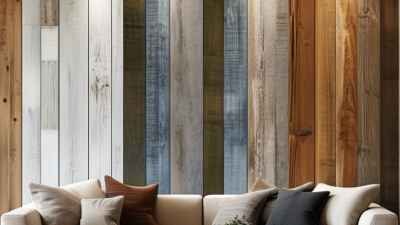
natural fibers, bamboo, and reclaimed wood.
These materials add warmth and character to spaces. They are often seen in high-demand
residential and commercial projects. However, the cost
and availability of sustainable materials can still pose challenges.
Some producers struggle to meet the rising demand without compromising quality.
Education on the benefits of sustainable wall panels is essential. Many consumers
remain unaware of the environmental impact of traditional materials.
Awareness drives change, but it also exposes
gaps in the market. There’s a need for more innovation to create affordable solutions.
As the industry evolves, embracing imperfection
and learning from sustainable practices will become vital. This reflection might lead to
solutions that better align with environmental goals.
Color and Texture Trends: Insights from Industry Design Reports
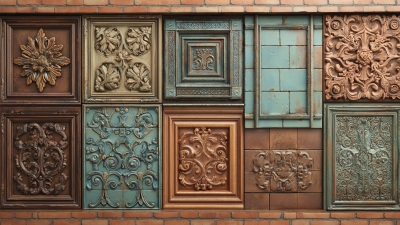
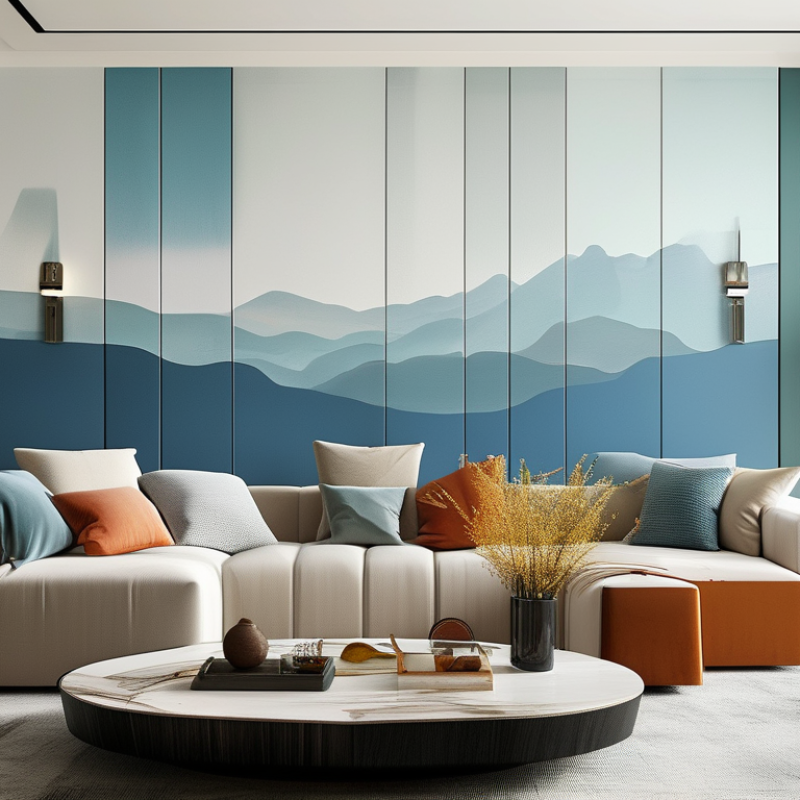
The wall covering panel trends for 2026 emphasize color and texture like never before. According to recent design reports, bold colors are making a comeback. Vibrant hues like deep teal and rich terracotta lead the pack. Observers from design forums note that these shades evoke warmth and originality, inviting an emotional response from viewers.
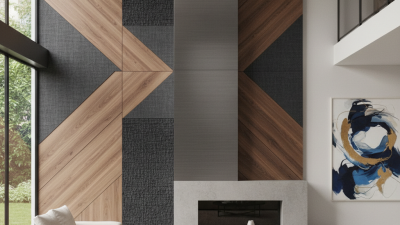
Texture plays a crucial role in modern design. Reports indicate that tactile features enhance aesthetic appeal. Materials mimicking natural surfaces, like wood and stone, are gaining popularity. These choices create a sense of connection with nature, appealing to sustainability-focused consumers. However, there’s a challenge. Some designers struggle to balance bold colors with intricate textures. This balance is vital for cohesive designs.
Furthermore, a significant number of designers report a tendency to overcomplicate designs. Simplifying choices often yields the best results. The industry sees a trend toward minimalistic approaches, but achieving this succinctly can be difficult. As color and texture evolve, professionals must adapt, refining their styles to meet new expectations. The insights shed light on a dynamic future in wall covering design.
Technological Advancements: Smart Panels and Their Impact on Design
The rise of smart panels marks a significant shift in interior design trends. These panels combine aesthetics with technology, transforming how we interact with our spaces. Imagine walls that can change colors, patterns, or even display images. This innovation is not just visually appealing; it can also improve energy efficiency and enhance user experience.
Smart panels can respond to environmental conditions. For instance, they might adjust their hue based on the time of day. However, integration can be challenging. Homeowners may struggle with installation or compatibility issues. Additionally, the need for constant updates may frustrate some users. It raises questions about how much complexity we want in our homes.
Incorporating smart panels into your design requires thoughtful consideration. Designers must balance functionality with simplicity. Clients should be informed about potential pitfalls, such as maintenance and initial costs. Ultimately, as smart panels become more prevalent, they offer exciting possibilities for personal expression. They can redefine not just walls but the very essence of living spaces.
2026 Top Wall Covering Panel Trends You Need to Know
| Trend |
Description |
Impact on Design |
Technological Features |
Sustainability Factor |
| Smart Sensor Panels |
Panels equipped with sensors to monitor environmental conditions. |
Enhances user experience by adapting to surroundings. |
Temperature regulation, air quality monitoring. |
Made from recycled materials, energy-efficient design. |
| 3D Textured Panels |
Panels featuring intricate 3D designs for a modern aesthetic. |
Adds depth and visual interest to interiors. |
Customizable patterns, light diffusing properties. |
Utilizes sustainable manufacturing processes. |
| Interactive Projection Panels |
Panels that integrate projection technology for dynamic displays. |
Transforms walls into interactive experiences. |
Touch-sensitive interaction, customizable visuals. |
Energy-efficient displays, use of eco-friendly materials. |
| Sound-Absorbing Panels |
Panels designed to reduce noise and enhance acoustics. |
Improves comfort in open spaces and busy environments. |
Multiple layers of materials for sound insulation. |
Eco-friendly soundproofing materials, locally sourced. |
| Biophilic Design Panels |
Panels that incorporate natural elements or patterns. |
Bridges the gap between indoor and outdoor environments. |
Natural textures, plant integration. |
Promotes biodiversity, sourced from sustainable farms. |
Consumer Preferences: How Demographics Shape Wall Covering Choices
Consumer preferences in wall coverings are deeply influenced by demographics. Age, income, and location play critical roles in shaping these choices. Younger generations often gravitate toward bold designs and vibrant colors. They seek wall coverings that reflect their personalities and lifestyles. In contrast, older demographics may prefer more classic and understated options. Comfort and familiarity drive their decisions.
Lifestyle also shapes preferences. Urban dwellers often choose modern materials, like eco-friendly options, while rural residents lean toward traditional finishes. Economic factors can't be ignored. Budget constraints lead some consumers to favor cost-effective solutions. They might compromise on aesthetics to meet their financial needs.
In a world focused on self-expression, these dynamics create a complex landscape. Trends evolve rapidly, influenced by social media and cultural shifts. What’s popular today might not be tomorrow. This constant change in consumer desires warrants careful consideration from manufacturers and designers. Reflecting on such shifts is vital for keeping pace with the market.
2026 Top Wall Covering Panel Trends You Need to Know