2026 Top Wpc Wood Slat Panel Trends and Benefits?
As we look ahead to 2026, Wpc Wood Slat Panels are emerging as a prominent trend in construction and design. These panels combine wood's natural beauty with the durability of composite materials. This unique blend provides enhanced aesthetics while being environmentally friendly.
The rising popularity is not without its challenges. Installation can be tricky for those unfamiliar with composite materials. Homeowners often express concern about the maintenance and longevity of Wpc Wood Slat Panels. However, these panels are designed to withstand various weather conditions, reducing long-term upkeep.
Amid these benefits, it's essential to research and consider individual needs. Each project demands careful thought. The potential for creativity in design is immense, yet execution can reveal unexpected hurdles. Exploring these trends not only inspires innovation but also prompts us to reflect on our choices in material selection.
2026 Trends in WPC Wood Slat Panels: An Overview
The world of WPC wood slat panels is evolving in 2026. These panels combine wood fibers and plastic for a unique design. They are gaining popularity for their durability and aesthetic appeal. Homeowners appreciate the warmth of wood without the maintenance hassles. This trend reflects a growing demand for sustainable materials. More people want eco-friendly choices in their homes.
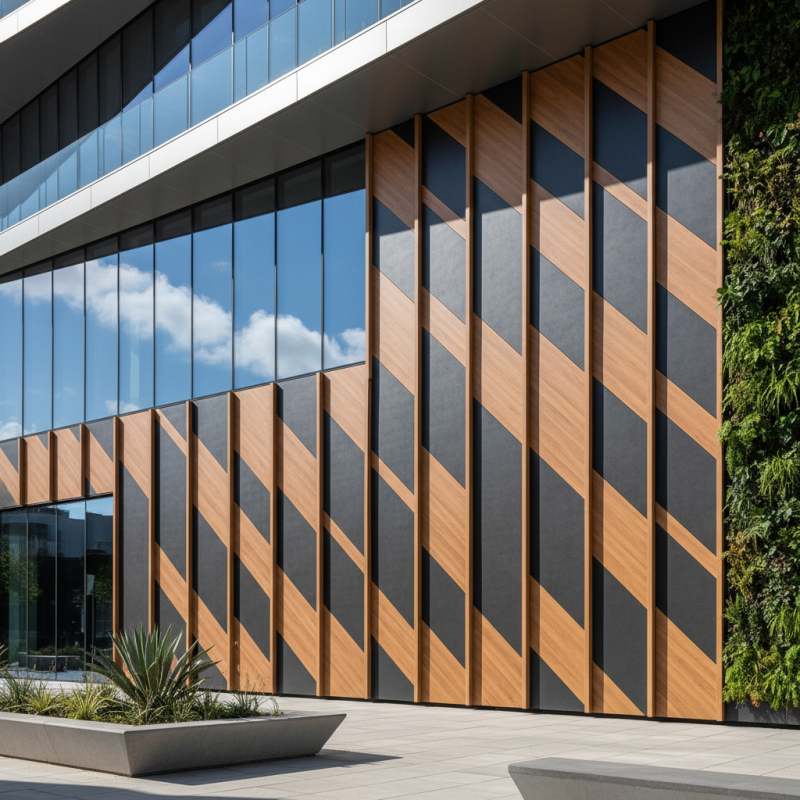
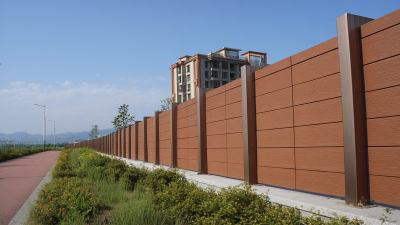
In urban settings, these panels serve functional and design purposes. They can be used for fencing, decking, or decorative walls. The versatility allows creativity in residential and commercial spaces. However, some consumers are unsure about long-term performance. Questions about fading or warping arise. Finding reliable information can be challenging, yet it remains essential for informed decisions.
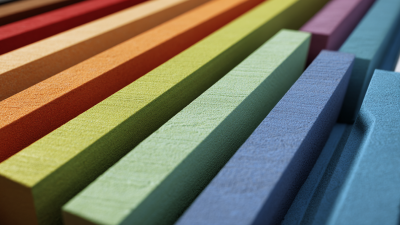
As design trends shift, the influence of color and texture will be significant. Natural wood tones remain popular, but bold shades are emerging. Homeowners want their spaces to reflect their personality. This desire may lead to unexpected combinations. Balancing aesthetics with practicality can be tricky. However, the right choice can enhance a space beautifully. Embracing these new trends offers opportunities to create unique environments.
Key Benefits of Using WPC Wood Slat Panels in Modern Design
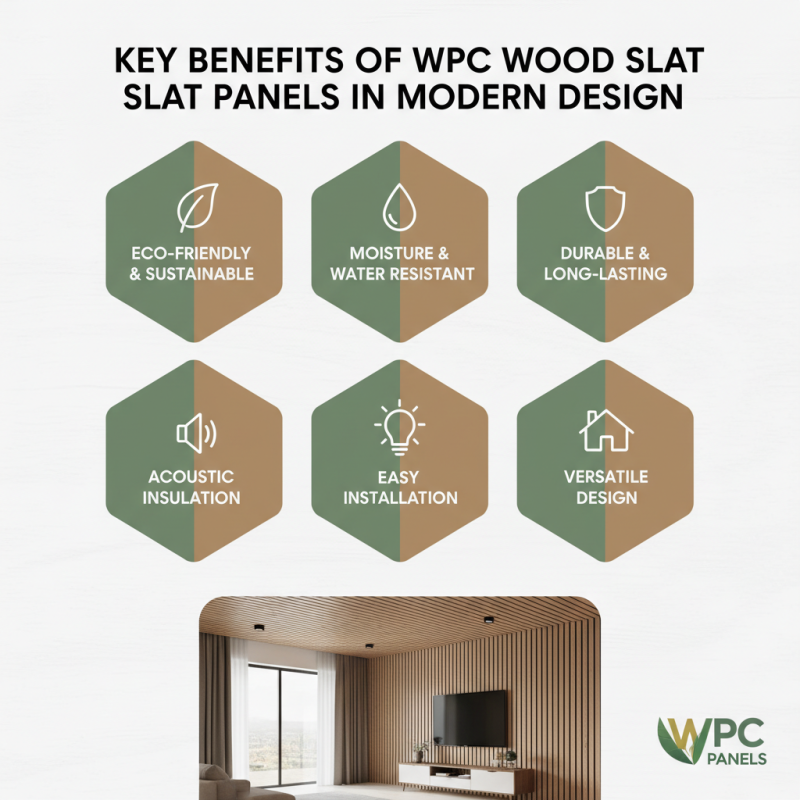
WPC wood slat panels are increasingly popular in modern design. Their unique blend of wood and plastic provides a compelling aesthetic. Designers appreciate their versatility. These panels can adapt to various environments, from residential to commercial settings.
One of the key benefits is durability. WPC panels resist moisture, insects, and fading. They last longer than traditional wood. This can save money on maintenance over time. Additionally, these panels are easy to clean. A simple wipe can keep them looking new. Yet, not all options offer the same quality.
Another advantage is sustainability. Many WPC products use recycled materials. This helps reduce waste and environmental impact. However, it's essential to verify the sources. Consumers should be cautious of misleading claims. Not every product labeled as "eco-friendly" truly is. Balancing beauty and environmental consciousness requires careful selection.
Sustainability and Eco-Friendliness of WPC Wood Slat Panels
The trend towards using WPC wood slat panels is gaining momentum, especially in sustainability. Made from a mix of wood fibers and recycled plastic, these panels offer an eco-friendly solution. They help reduce waste by utilizing materials that might otherwise end up in landfills. This is a step in the right direction for environmentally conscious consumers.
However, not everything is perfect. While WPC panels are often marketed as durable, they may not be as long-lasting as traditional wood. Some panels can fade over time or show signs of wear. Buyers should be aware that not all WPC products are created equal. It's crucial to research and choose wisely to ensure longevity and performance.
In addition to sustainability, WPC panels present aesthetic appeal. They come in various colors and styles. This versatility allows homeowners to personalize their spaces. However, opting for trendy designs can mean needing to refocus on future adaptability. Is the style timeless, or will it quickly become outdated? Reflecting on these elements ensures a better investment.
Innovative Applications of WPC Wood Slat Panels in Various Spaces
WPC wood slat panels are gaining attention for their innovative applications across various spaces. These materials blend wood fibers with thermoplastics, creating a durable and versatile product. Recent industry reports estimate the global WPC market will reach $10 billion by 2026. This growth is driven by increasing demand for eco-friendly building materials.
In residential settings, WPC panels are popular for wall coverings and ceilings. They provide a warm, natural aesthetic without the maintenance concerns of traditional wood. In commercial spaces, these panels are used for decorative dividers and acoustic solutions. Their lightweight yet sturdy composition makes them easy to install. However, while WPC panels offer many benefits, issues like thermal expansion can be a concern. Proper installation is key to mitigating these problems.
Outdoor applications are also on the rise, particularly in decking and fencing. WPC panels resist moisture and insects better than solid wood. According to research, about 70% of consumers favor materials that offer low maintenance. Despite their advantages, not all WPC products are created equal. Variability in quality can lead to uneven performance in different environments. Investing in higher-quality options can yield better long-term results.
2026 Top WPC Wood Slat Panel Trends and Benefits
Comparative Analysis: WPC Wood Slat Panels vs. Traditional Wood Options
When comparing WPC (Wood Plastic Composite) wood slat panels to traditional wood options, the differences become clear. WPC panels consist of a mix of recycled wood and plastic, offering durability. Traditional wood is often prone to warping and requires regular maintenance. In contrast, WPC is resistant to moisture and pests. Homeowners can enjoy lower long-term costs when using WPC materials.
Another notable difference lies in aesthetics. WPC panels can mimic the look of natural wood, offering various styles. However, they sometimes lack the unique character that real wood exhibits. Traditional wood can provide warmth and texture that some prefer. The choice largely depends on personal preferences and project requirements.
Environmental impact is another area for reflection. WPC panels are made from recycled materials, reducing waste. Traditional wood, when sustainably sourced, can also be eco-friendly. However, unsustainable logging practices can harm forests. Each option carries its pros and cons. Homeowners should carefully consider their values when making a choice.