Alternative Wood PVC Guide for Eco-Friendly Flooring Options?
In the quest for eco-friendly flooring, the "Alternative Wood PVC" sector has gained noteworthy attention. Experts like Dr. Sarah Thompson, a leader in sustainable materials, have emphasized, "Sustainable choices in flooring can reshape our environment." This perspective encourages consumers to consider options beyond traditional hardwood.
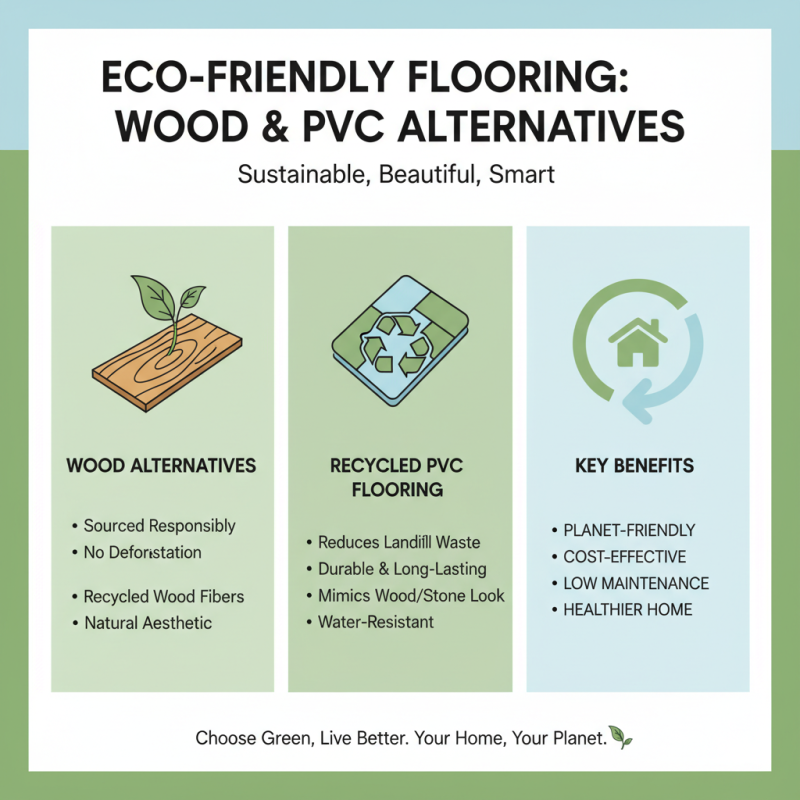
Alternative Wood PVC presents unique benefits. It mimics the appearance of natural wood while ensuring durability. These materials often come from recycled sources, aligning with green building standards. However, challenges persist. Some consumers remain skeptical about the long-term durability of these products.
Moreover, education on the production processes is essential. Not all manufacturers use environmentally friendly methods. Transparency plays a critical role in consumer trust. The journey towards choosing Alternative Wood PVC is not just about aesthetics. It’s about making informed choices that impact our planet.
Alternative Wood and PVC Flooring: An Overview of Eco-Friendly Options
As eco-conscious consumers seek sustainable flooring, alternative wood and PVC options are increasingly popular. Reports indicate that traditional hardwood flooring contributes to deforestation. In contrast, alternative materials often use recycled content and renewable resources. Studies show that around 40% of new flooring products now incorporate sustainable practices.
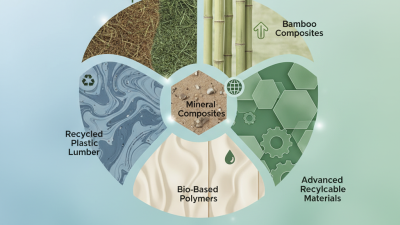
These alternative options include bamboo, cork, and recycled PVC. Bamboo is a fast-growing grass. It can mature in just three to five years. Cork, harvested from tree bark, is also renewable. Meanwhile, recycled PVC reuses plastic waste, reducing landfill impact. According to environmental studies, choosing these materials can minimize carbon footprints by up to 30%.
While these options are promising, not all products are created equal. Some manufacturers greenwash their claims. This can make it hard for consumers to find genuinely eco-friendly choices. Research suggests that about 20% of advertised "eco-friendly" products may not meet true sustainability standards. Consumers need to scrutinize certifications and materials to ensure they are making responsible choices.
Understanding the Environmental Impact of Traditional Flooring Materials
When considering flooring options, traditional materials often carry hidden environmental costs. Wood, for instance, contributes to deforestation. Each tree cut down reduces wildlife habitats and increases carbon levels. This impact stretches beyond just the forest. Manufacturing processes for hardwood can be energy-intensive.
PVC is another common choice, but it comes with its own issues. The production involves toxic chemicals. These substances can leach into the environment over time. In contrast, eco-friendly alternatives can mitigate these effects. They typically use renewable resources, which means less harm to the planet.
**Tips for Choosing Eco-Friendly Flooring:**
1. Research materials that are sustainably sourced. Look for certifications that confirm responsible harvesting practices.
2. Consider recycled options. Reclaimed wood or recycled vinyl can significantly lower your environmental footprint.
3. Evaluate the life cycle of the product. Some flooring may claim eco-friendliness, yet require frequent replacements, leading to more waste.
Reflect on these factors before making a decision. Every choice impacts our planet's future. Small changes in flooring can lead to significant improvements in sustainability.
Alternative Wood PVC Guide for Eco-Friendly Flooring Options - Understanding the Environmental Impact of Traditional Flooring Materials
| Material Type |
Environmental Impact |
Lifespan (Years) |
Sustainability Rating |
Cost ($/sq ft) |
| Bamboo Flooring |
Low CO2 emissions, rapidly renewable |
20-25 |
A+ |
$3 - $8 |
| Cork Flooring |
Renewable, limits deforestation |
25-30 |
A |
$4 - $10 |
| Linoleum Flooring |
Biodegradable, low environmental impact |
25-40 |
A+ |
$3 - $7 |
| Recycled PVC Flooring |
Reduces plastic waste, but energy-intensive |
15-20 |
B |
$2 - $6 |
| Solid Hardwood Flooring |
Contributes to deforestation, long-lasting |
30-100 |
C |
$5 - $15 |
Benefits of Alternative Wood and PVC in Sustainable Flooring Solutions
Choosing alternative wood and PVC for flooring is a sustainable choice. These materials can mimic the look of natural wood without causing deforestation. Moreover, they often use recycled materials, contributing to waste reduction. Homeowners seeking eco-friendly options will find these solutions appealing.
One benefit is durability. Alternative wood floors resist scratches and stains effectively. This means less frequent replacements, which lowers overall waste. Many products are also water-resistant, making them suitable for various climates. It's essential to consider installation methods. Some options may require glue or nails, while others offer click-lock systems that simplify the process.
Tips for maintaining these floors include regular sweeping and occasional damp mopping. Avoid using harsh chemicals to preserve the material’s integrity. If a section gets damaged, some alternatives allow for easy plank replacement. Keep an eye on humidity levels; excessive moisture can warp floors, challenging their appearance and longevity.
Comparing Lifespan and Durability of Eco-Friendly Flooring Choices
When considering eco-friendly flooring options, lifespan and durability are crucial factors. Some flooring materials might look appealing but do not last long. For example, bamboo is often praised for its sustainability. However, not all bamboo products are created equal. Lower quality options may warp or scratch easily, requiring frequent replacements.
Vinyl flooring is another popular choice. It offers a good lifespan if maintained properly. However, its durability can vary significantly. Thinner types of vinyl may tear or fade sooner. On the other hand, thicker options show resilience against wear and tear. This disparity makes it essential to choose wisely.
Reclaimed wood presents a unique alternative. It often combines beauty with longevity. Still, it may need refinishing over time. The natural imperfections can enhance its character but can also mean additional care. Striking a balance between aesthetics and functionality often leads to tough decisions for homeowners.
Alternative Wood PVC Guide for Eco-Friendly Flooring Options
Installation and Maintenance Tips for Alternative Wood and PVC Flooring
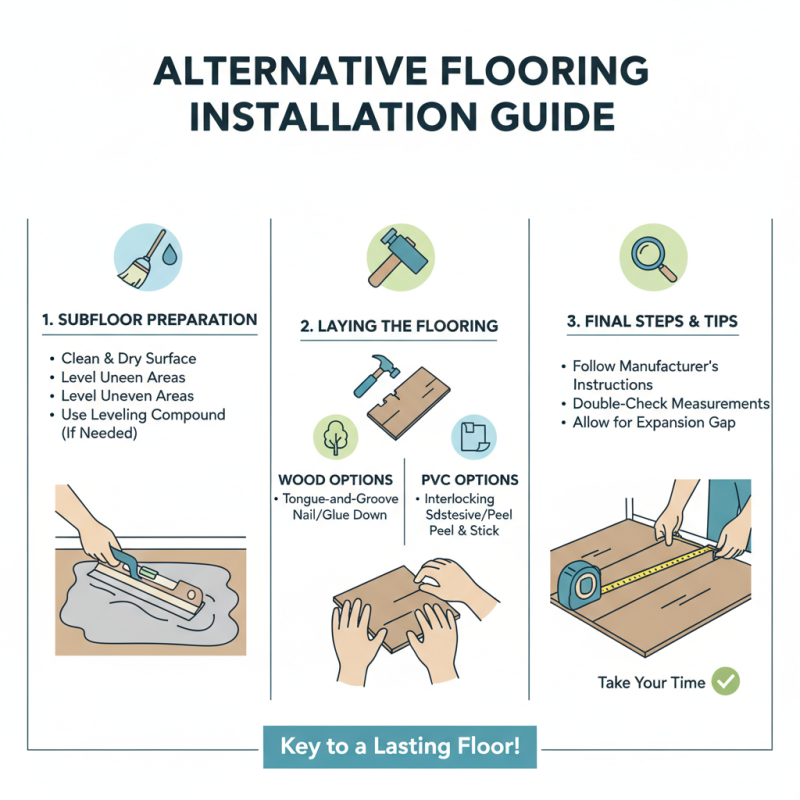
When considering alternative wood and PVC flooring, installation is key. Begin by preparing the subfloor. Ensure it is clean and dry. Uneven surfaces can lead to problems later. Use a leveling compound if needed. Lay the flooring according to the manufacturer’s instructions. This step varies for wood and PVC options. Some may require glue, while others use interlocking systems. Take your time, and double-check measurements. A small mistake can cause big issues.
Maintenance for these flooring types is usually simple. Regular sweeping keeps dust at bay. Use a damp mop for deeper cleaning. Avoid harsh chemicals; they can damage the surface. For PVC, be cautious with sharp objects, as they might scratch easily. Wood alternatives may need occasional refinishing, depending on the wear. Keep an eye on high-traffic areas; these often show signs of use sooner. Mistakes can happen, like neglecting to clean spills promptly. This can lead to stains or permanent damage. Learning from these small oversights will make a difference in the longevity of your flooring.