The Benefits of Charcoal Sheet For Wall Applications?
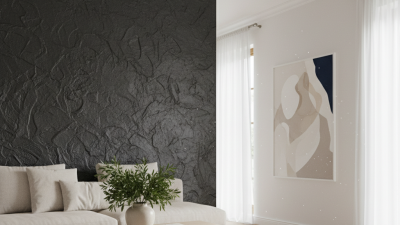
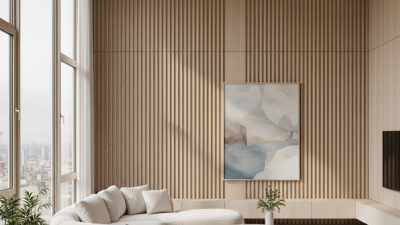
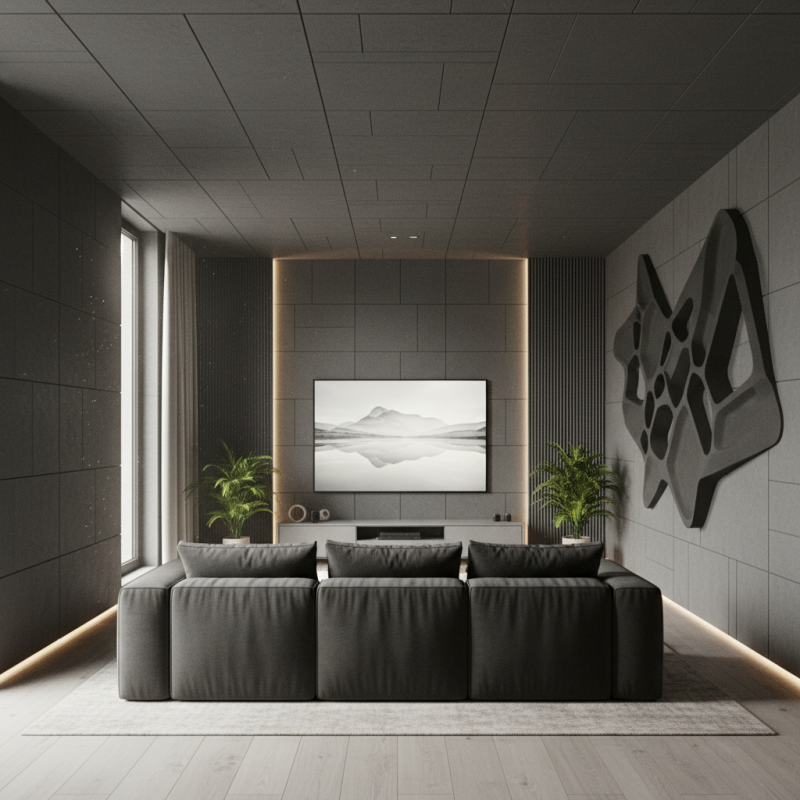
The use of Charcoal Sheet For Wall applications presents a range of benefits that often go unnoticed. These sheets are not just aesthetically pleasing; they also provide practical advantages that enhance interior spaces. Charcoal sheets offer excellent sound absorption, contributing to a quieter environment. This is especially beneficial in spaces like offices or home theaters.
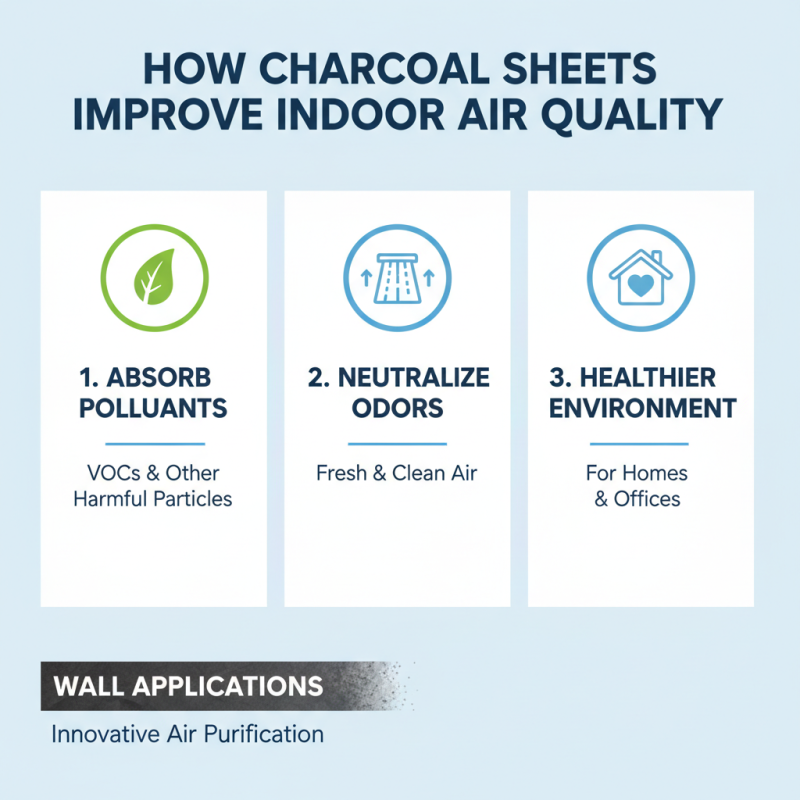
Moreover, Charcoal Sheets For Wall use can improve air quality. The activated charcoal absorbs pollutants, providing fresher air indoors. Many people appreciate this feature, particularly in urban areas. However, some might overlook the importance of installation. Properly applying these sheets requires attention to detail and technique.
Color and texture play key roles in style. Charcoal sheets come in various designs, allowing for creative freedom. Yet, there's a possibility of mismatched aesthetics in certain settings. This is a chance for growth in design choices. Ultimately, embracing the unique qualities of charcoal sheets can transform any wall while encouraging thoughtful decision-making in interior design.
The Unique Properties of Charcoal Sheet for Wall Applications
Charcoal sheets are gaining popularity for wall applications due to their unique properties. These sheets provide not only aesthetic appeal but also functional benefits. Their dark tones add depth to any space, creating a warm and inviting atmosphere. Charcoal sheets can absorb sound, enhancing privacy in busy environments. This feature is particularly useful in homes and offices where noise can be distracting.
The natural porous structure of charcoal has another significant advantage. It helps in reducing indoor air pollutants. When installed on walls, charcoal sheets can actively purify the air. This contributes to a healthier living environment. However, using charcoal sheets may require regular maintenance to maintain their effectiveness. They need to be cleaned occasionally to preserve their air-purifying qualities.
While charcoal sheets have many benefits, there are challenges to consider. They may not suit every design style. Some people may find their dark appearance overpowering in smaller rooms. Additionally, the installation process can be a bit complex, requiring careful attention. This could lead to potential mistakes if not done properly. Taking these factors into account can help you make a more informed decision before using charcoal sheets for your walls.
The Benefits of Charcoal Sheet For Wall Applications
This chart illustrates the various benefits of using charcoal sheets for wall applications, highlighting their sound absorption, thermal insulation, and sustainability properties.
The Thermal Insulation Benefits of Charcoal Wall Sheets
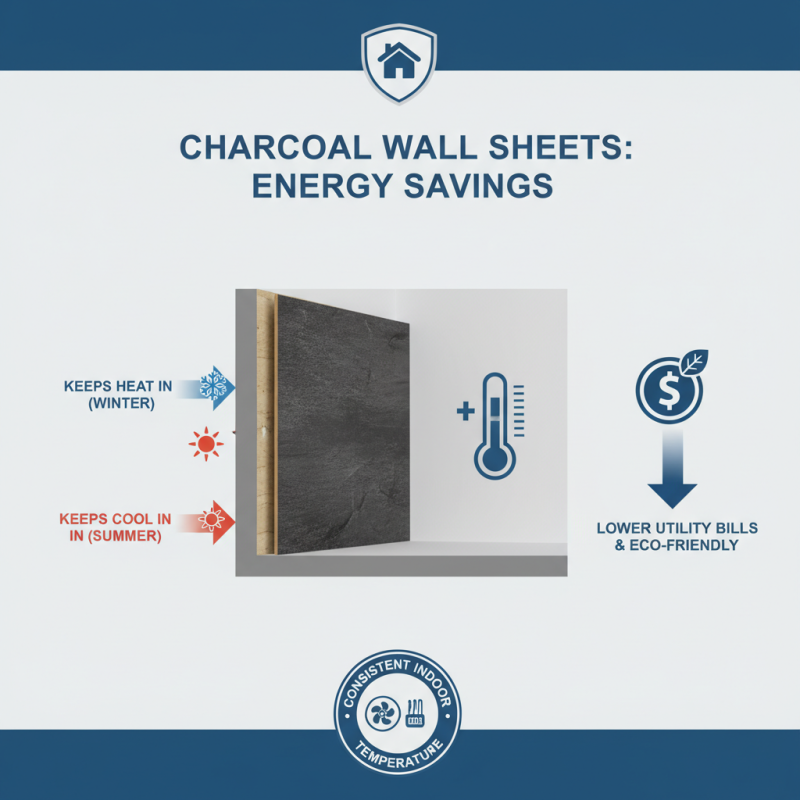
Charcoal wall sheets are gaining attention for their unique thermal insulation properties. When applied to walls, these sheets create a barrier that helps maintain a consistent indoor temperature. This reduces the need for excessive heating or cooling. Many homeowners appreciate the energy efficiency this brings. It leads to lower utility bills, and that's always a win.
The structure of charcoal sheets contributes to their effectiveness. The porous nature of charcoal traps heat, preventing it from escaping in winter and blocking external heat in summer. This means a more comfortable living space year-round. However, installation can be tricky. If not done correctly, gaps can form, undermining the insulation benefits. It requires careful attention to detail, something that is often overlooked.
Some homeowners wonder about the aesthetic aspect. Charcoal sheets can add a modern look to interiors. However, shadows can also be cast in certain lights. It’s an interesting balance between beauty and function. Ultimately, exploring the thermal insulation benefits of charcoal wall sheets can be rewarding, but it’s crucial to consider both the practical and visual implications.
Cost-Effectiveness of Charcoal Sheets Compared to Traditional Materials
Charcoal sheets have gained popularity for various wall applications. Their unique properties offer a cost-effective alternative to traditional materials. For those considering renovations, the price difference can be striking. Charcoal sheets often require less maintenance. This can lead to long-term savings for homeowners.
When comparing costs, the initial investment in charcoal sheets is often lower. Depending on the application, they can be simple to install, saving on labor costs. In addition to financial benefits, they provide aesthetic appeal. Their texture adds depth and character to walls without being overwhelming. However, some people may find the installation process challenging.
Not every wall surface is compatible with charcoal sheets. Homeowners must consider this before making a decision. The durability of these sheets varies, and some users might encounter issues over time. Maintenance routines need to be established for optimal performance. Balancing cost and practicality is vital.
The Benefits of Charcoal Sheet For Wall Applications? - Cost-Effectiveness of Charcoal Sheets Compared to Traditional Materials
| Material Type |
Cost per Square Foot |
Durability (Years) |
Fire Resistance |
Environmental Impact |
Installation Complexity |
| Charcoal Sheet |
$3.00 |
25 |
Yes |
Low |
Easy |
| Plywood |
$2.50 |
10 |
No |
Moderate |
Moderate |
| Drywall |
$1.70 |
20 |
No |
High |
Easy |
| Concrete |
$4.50 |
50 |
Yes |
High |
Complex |
| Gypsum Board |
$2.00 |
15 |
No |
Moderate |
Easy |
Sustainability and Environmental Impact of Charcoal Wall Panels
Charcoal wall panels present a unique blend of aesthetics and sustainability. Sourced from eco-friendly materials, these panels often include recycled content. This makes them a smart choice for environmentally conscious builders. They can help reduce waste in construction. Additionally, charcoal panels can regulate indoor humidity, contributing to a healthier living space.
However, not everything is flawless. Maintaining the panels may require special care to avoid degradation over time. Some might struggle with discoloration, especially in high-humidity areas. While the initial cost might be higher than traditional materials, the long-term benefits often outweigh the challenges. Using charcoal panels can reduce energy reliance due to their thermal insulation properties.
Moreover, the carbon footprint associated with their production is generally lower than that of other materials. This makes them a better option for those concerned about environmental impact. However, it's crucial to ensure that the charcoal is sourced sustainably to truly reap these benefits. Balancing style and sustainability is possible, but it requires careful consideration.