Top 10 Benefits of Modern Wood Veneer Paneling for Home Design?
In the world of interior design, Modern Wood Veneer Paneling has emerged as a game-changer. Renowned designer Jane Smith states, "Wood veneer brings warmth and elegance to any space." This technique transforms ordinary walls, offering a seamless blend of aesthetics and functionality.
Many homeowners overlook how Modern Wood Veneer Paneling can redefine their living spaces. It provides a unique texture that natural wood cannot always replicate. The variety of finishes and colors available can adapt to any style, from minimalist to rustic charm. However, some may find it challenging to choose the right design.
There can be pitfalls too. Not all veneers are created equal, and quality matters significantly. It's essential to do thorough research before making a decision. A beautifully paneled wall can elevate your home, but poor quality can ruin the aesthetic. Exploring the top benefits of Modern Wood Veneer Paneling helps in making an informed choice.
Benefits of Aesthetic Appeal in Modern Wood Veneer Paneling
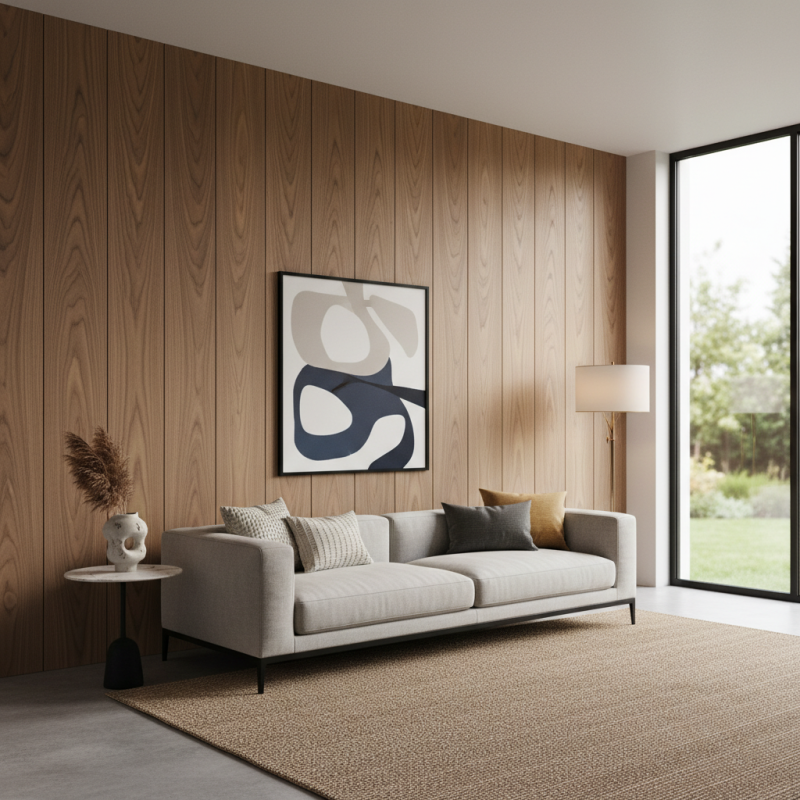
Modern wood veneer paneling offers unparalleled aesthetic appeal for home design. Its natural beauty brings warmth and texture to any space. According to a survey by the National Association of Home Builders, 80% of homeowners prefer natural materials. This trend highlights the growing desire for authentic and organic elements in interior design.
Beyond mere looks, modern veneer panels create an inviting atmosphere. The rich tones and unique grain patterns of wood can complement various styles. Research from the Forest Products Laboratory indicates that wood surfaces can enhance mood and well-being. However, achieving the desired aesthetic requires thoughtful selection. Not all veneers deliver the same visual impact. Some may lack depth or character.
Sustainability is also a factor. Many homeowners desire eco-friendly options, and wood veneers fit this bill. They allow for the use of less wood while maintaining a luxurious appearance. Nevertheless, the quality of veneer can vary. Cheaper options may peel or warp, leading to dissatisfaction. Balancing beauty and functionality is essential in choosing the right paneling.
Sustainability: Eco-Friendly Aspects of Wood Veneer in Home Design
Sustainability is a major focus in modern home design. Wood veneer offers an eco-friendly solution for homeowners. By using thin layers of real wood, it maximizes resources efficiently. This practice reduces waste, as it requires less timber compared to solid wood panels.
The process of creating wood veneer often involves sustainable forestry. Trees are harvested responsibly, ensuring forest ecosystems remain intact. Many manufacturers source materials from managed forests. This encourages a healthy balance between nature and home design. However, the environmental impact of transportation still needs consideration. Some options may not be as local as desired.
Homeowners should reflect on their choices. Not every veneer is created equal. Look for certifications that guarantee sustainable practices. Aesthetic appeal is important, but the origin matters too. Make decisions that align with personal values, while enhancing your living space. Each choice contributes to a greener future.
Top 10 Benefits of Modern Wood Veneer Paneling for Home Design
| Benefit |
Description |
Sustainability Aspect |
| Aesthetic Appeal |
Wood veneer offers a natural and warm appearance, enhancing the beauty of a home. |
Made from thin layers of real wood, which is less wasteful than solid lumber. |
| Versatility |
Can be applied to various surfaces and in different styles to complement décor. |
Allows for the use of sustainable wood species. |
| Lightweight |
Easier to handle and install compared to heavy solid wood panels. |
Reduces transport emissions due to decreased material weight. |
| Cost-Effective |
Affordable alternative to solid wood while maintaining a similar look. |
Promotes responsible use of wood resources. |
| Easy Maintenance |
Requires minimal upkeep compared to other materials. |
Long-lasting, which reduces the need for replacements. |
| Sound Absorption |
Helps to dampen sound, making spaces quieter and more comfortable. |
Wood's natural properties contribute to indoor acoustic performance. |
| Thermal Insulation |
Provides an added layer of insulation, enhancing energy efficiency. |
Helps reduce energy use in heating and cooling. |
| Recyclable |
End-of-life wood veneer can often be recycled or repurposed. |
Contributes to closed-loop systems in construction. |
| Variety of Finishes |
Available in various stains and finishes to suit personal styles. |
Custom finishes can use low-VOC options to enhance indoor air quality. |
| Biophilic Design |
Brings a connection to nature indoors, promoting well-being. |
Supports sustainable sourcing of materials that encourage biodiversity. |
Cost-Effectiveness: Comparing Wood Veneer to Other Material Options
Wood veneer paneling offers an attractive alternative in home design. When considering cost-effectiveness, it often shines compared to solid wood. The average cost of wood veneer is significantly lower, providing a stylish look without breaking the bank. Many homeowners are drawn to this option for both beauty and budget.
In addition, wood veneer can imitate high-end materials. This means you get the luxurious appearance of expensive woods at a fraction of the price. On top of that, installation is usually simpler and faster. However, some might question its durability. While veneer is strong, it can be susceptible to moisture damage. Choosing the right environment is crucial for maintaining its quality.
It's important to weigh the pros and cons carefully. Some may find that wood veneer does not meet their expectations for longevity. Still, for many, the financial savings and aesthetic appeal outweigh the risks. It’s a balancing act of aesthetics versus practicality to consider.
Versatility: The Range of Styles and Finishes Available in Veneers
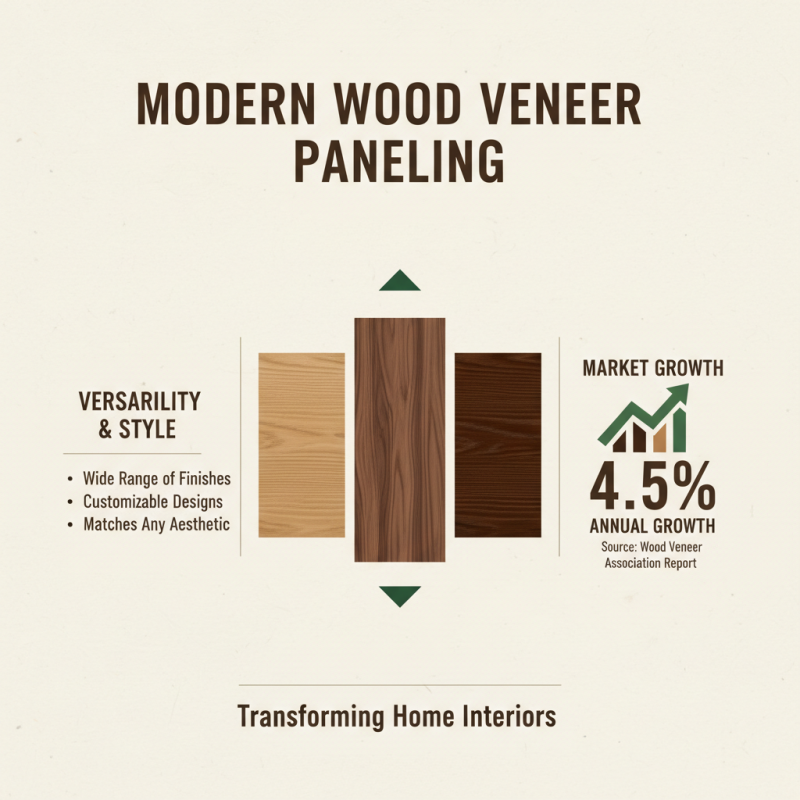
Modern wood veneer paneling offers a remarkable range of styles and finishes. This versatility allows homeowners to choose designs that match their aesthetic preferences. According to a report by the Wood Veneer Association, the market for veneer products is expected to grow at a rate of 4.5% annually. This growth reflects the increasing popularity of customized home interiors.
Various textures and colors enhance the charm of veneer. From smooth finishes to rough-hewn looks, there’s something for everyone. Some designs emulate exotic hardwoods at a fraction of the cost. This is appealing, especially for budget-conscious homeowners. A survey indicated that 72% of interior designers prefer using veneers for their flexibility in design.
However, achieving the desired finish can be challenging. Some may find it difficult to match veneer panels with existing décor. Additionally, while veneers are durable, they require proper care to maintain their appearance. The choice of finishes can also influence the room's atmosphere. Striking the right balance is essential for achieving the desired visual effect. This exploration of styles and finishes makes modern wood veneer an engaging option for home design.
Ease of Installation and Maintenance for Modern Wood Veneer Panels
Modern wood veneer paneling is gaining popularity in home design due to its ease of installation and maintenance. Contractors report that these panels can reduce setup time by nearly 30%. This benefit makes them appealing for both new constructions and renovations. Installation usually requires fewer tools and less labor, which can lead to significant cost savings.
For maintenance, wood veneer is relatively simple. Regular dusting and occasional cleaning with a damp cloth maintain its appearance. This process is less time-consuming than traditional wood. Data shows that homes with veneer panels often retain their visual appeal longer, requiring less frequent refinishing. The durability of modern wood veneer can be surprising, yet homeowners should still be aware of moisture levels.
Tip: Always use a protective sealant after installation. This aids in preserving the veneer’s finish. Avoid harsh chemicals; they can damage the surface.
Incorporating wood veneer into your home can create a warm ambiance. However, consider the drawbacks, like sensitivity to humidity. It’s essential to monitor the environment to maintain quality. Balancing these factors can lead to satisfying design choices.