What are the Benefits of Timber Veneer Wall Panels?
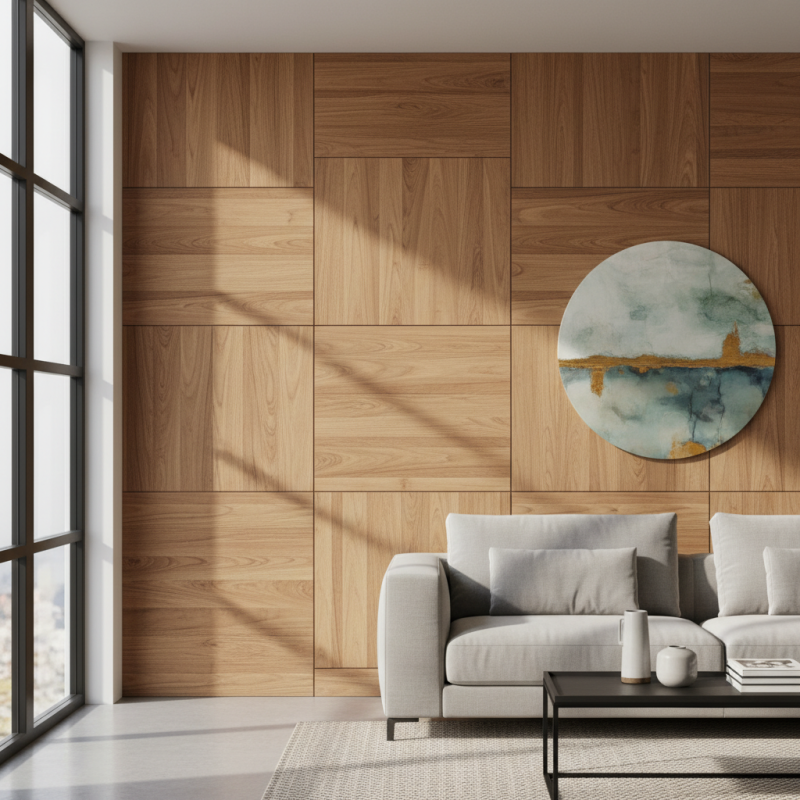
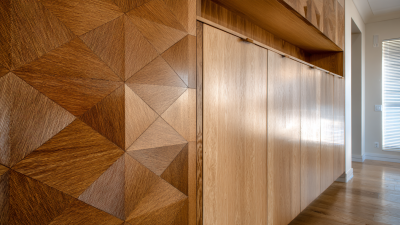
Timber Veneer Wall Panels offer a unique blend of beauty and functionality. These panels bring the warmth of natural wood into any space. They are not only visually appealing but also versatile and practical.
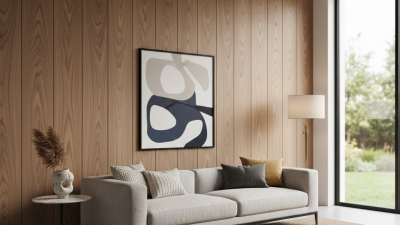
When used in interior design, Timber Veneer Wall Panels enhance the atmosphere. They provide texture and depth, making rooms feel more inviting. Imagine walking into a room with rich, wooden accents. The immediate warmth and comfort are undeniable.
However, some might consider the maintenance. While beautiful, timber requires care to preserve its look. It's essential to weigh the benefits against the potential challenges. Still, the aesthetic and tactile qualities of Timber Veneer Wall Panels can transform ordinary spaces into extraordinary environments.
Understanding Timber Veneer Wall Panels: An Overview
Timber veneer wall panels provide an aesthetic appeal that many design professionals appreciate. They are made from thin slices of wood, allowing for a natural look without the cost of solid wood. According to a report by the Wood Products Council, using veneer can reduce material waste by up to 80%. This statistic highlights the environmental benefits of opting for timber veneers over traditional materials.
In addition to sustainability, timber veneer offers versatility. They're suitable for various applications, from residential to commercial spaces. Statistics from the Interior Design Association indicate that 70% of designers now prefer veneers for wall finishes due to their wide range of styles and finishes. This trend demonstrates a growing preference for quality materials that can enhance interior environments.
However, it's essential to consider potential downsides. The installation process can be complex, requiring skilled labor to achieve seamless results. Some contractors may overlook proper sealing, leading to issues with durability over time. Being aware of these challenges helps consumers make informed decisions when selecting wall panel materials.
Advantages of Timber Veneer Wall Panels in Interior Design
Timber veneer wall panels are gaining popularity in interior design. Their natural beauty adds warmth and elegance to spaces. According to a recent study by the Hardwood Lumber Association, using timber can elevate a room's aesthetic by up to 50%. The versatility in design makes these panels ideal for both residential and commercial environments.
One of the key advantages of timber veneer is its sustainability. It utilizes less wood than solid wood panels, making it more eco-friendly. A report from the Forest Stewardship Council highlights that sustainably sourced timber can reduce the carbon footprint of construction projects significantly. However, there can be a challenge in ensuring that veneer is sourced responsibly. Consumers need to verify certifications.
Additionally, timber veneer panels are lightweight, which simplifies installation. This can potentially lower labor costs and time. However, they may require careful maintenance to preserve their appearance. While they can be resistant to wear, they are not immune to scratches. Regular upkeep is necessary to maintain their charm. Designers must balance beauty and practicality when choosing finishes.
Environmental Benefits of Using Timber Veneer
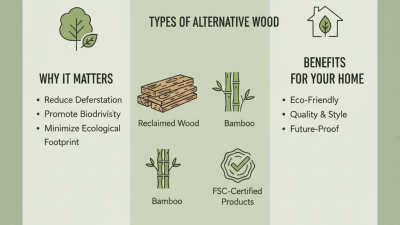
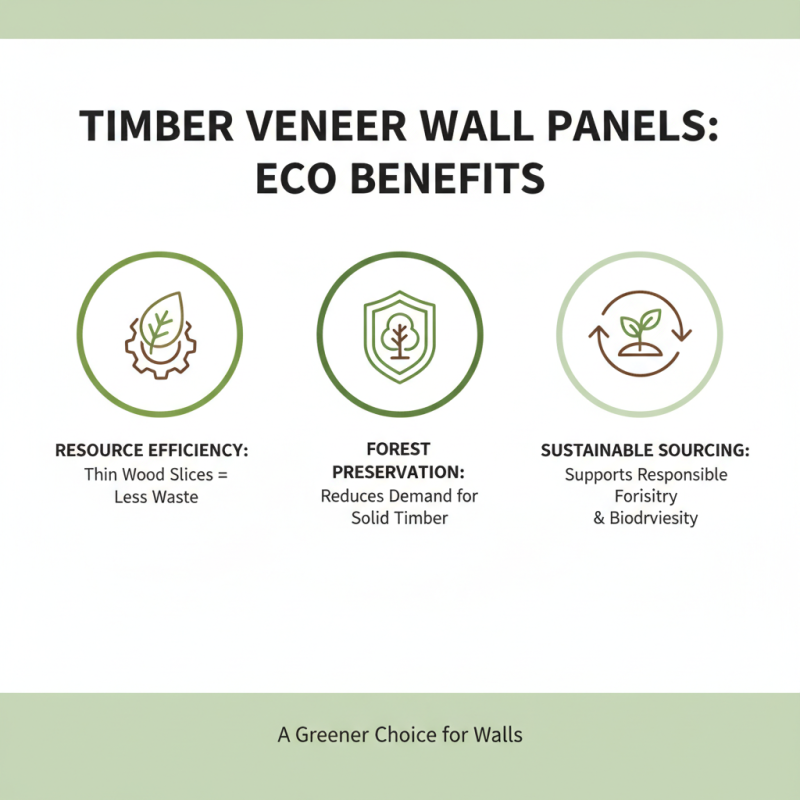
Timber veneer wall panels offer significant environmental benefits. These panels are made from thin slices of wood, allowing for efficient use of resources. This reduces the demand for solid timber, helping to preserve forests. When sourced responsibly, timber veneer can be a sustainable choice. It promotes responsible forestry practices that contribute to biodiversity.
Using timber veneer can also lower carbon footprints. Wood captures carbon dioxide from the atmosphere. When utilized in buildings, it helps to sequester this carbon for years. As more people seek eco-friendly options, timber veneer fits well into a greener lifestyle. These panels can enhance indoor air quality too, providing a warm and inviting atmosphere.
However, attention to sourcing is crucial. Not all timber veneers are created equal. Some come from unsustainable sources, leading to environmental degradation. Consumers should research the origins of their materials. This reflection is important to ensure that the environmental benefits are truly realized. Making informed choices about timber veneer can have a positive impact on the planet.
Cost-effectiveness of Timber Veneer Wall Panels
Timber veneer wall panels offer a cost-effective solution for modern interiors. According to a report by Smith & Jones Architects, these panels can reduce overall wall costs by up to 30%. Their lightweight nature allows for easy installation, which can further decrease labor expenses. Building with timber veneer doesn’t just cut costs; it also adds aesthetic value, creating a warm and inviting atmosphere.
In addition to their affordability, these panels also contribute to sustainability. The Forest Stewardship Council estimates that using timber veneer saves up to 50% more wood compared to solid timber. This means less waste and a lower environmental impact. However, it's crucial to consider maintenance costs. Although initially cheaper, veneer might require occasional refinishing. Yet, many architects still advocate for its use, highlighting its long lifespan when cared for correctly.
Benefits of Timber Veneer Wall Panels
This bar chart illustrates the various benefits of timber veneer wall panels, including cost-effectiveness, aesthetic appeal, sustainability, durability, and insulation. Each benefit is rated on a scale from 1 to 10, highlighting their significance in building and design applications.
Maintenance and Durability of Timber Veneer Surfaces
Timber veneer wall panels offer a unique blend of beauty and practicality. The natural finish enhances aesthetics, making spaces feel warm and inviting. However, maintaining these surfaces requires attention to detail.
Regular dusting and gentle cleaning with mild products can keep them looking fresh. Harsh chemicals can damage the veneer, leading to a dull appearance.
Durability is a key advantage of timber veneer. When properly maintained, these surfaces can last for years. However, they are not impervious to scratches or dents. It's essential to handle furniture carefully to avoid marks. Direct sunlight can cause fading, so consider protective treatments.
People may overlook this aspect, leading to premature wear. A thoughtful approach to care can significantly extend the lifespan of your timber veneer panels.