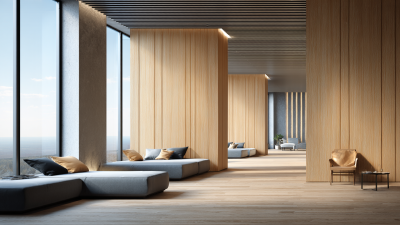
Top 7 Benefits of Using WPC Cladding Wall Panels for Your Home
In recent years, WPC Cladding Wall Panels have emerged as a popular choice for homeowners looking to enhance the aesthetics and durability of their living spaces. According to a report by MarketsandMarkets, the global market for WPC is expected to reach $9.2 billion by 2025, driven by an increasing demand for sustainable and low-maintenance building materials. The integration of wood fibers and plastic polymers not only provides a robust solution for exterior cladding but also contributes to energy efficiency and environmental sustainability.
Industry expert, Dr. Emily Harper, a leading analyst in construction materials, states, “WPC Cladding Wall Panels represent a significant advancement in building technology, offering exceptional durability while reducing the carbon footprint of construction projects.” With benefits ranging from weather resistance to aesthetic versatility, these WPC panels are quickly becoming the preferred choice for modern home designs.
As homeowners increasingly prioritize sustainability without compromising on style, understanding the top benefits of WPC Cladding Wall Panels can guide informed decisions that enhance both the function and appearance of living environments.
Exploring the Durability Advantages of WPC Cladding Wall Panels for Modern Homes
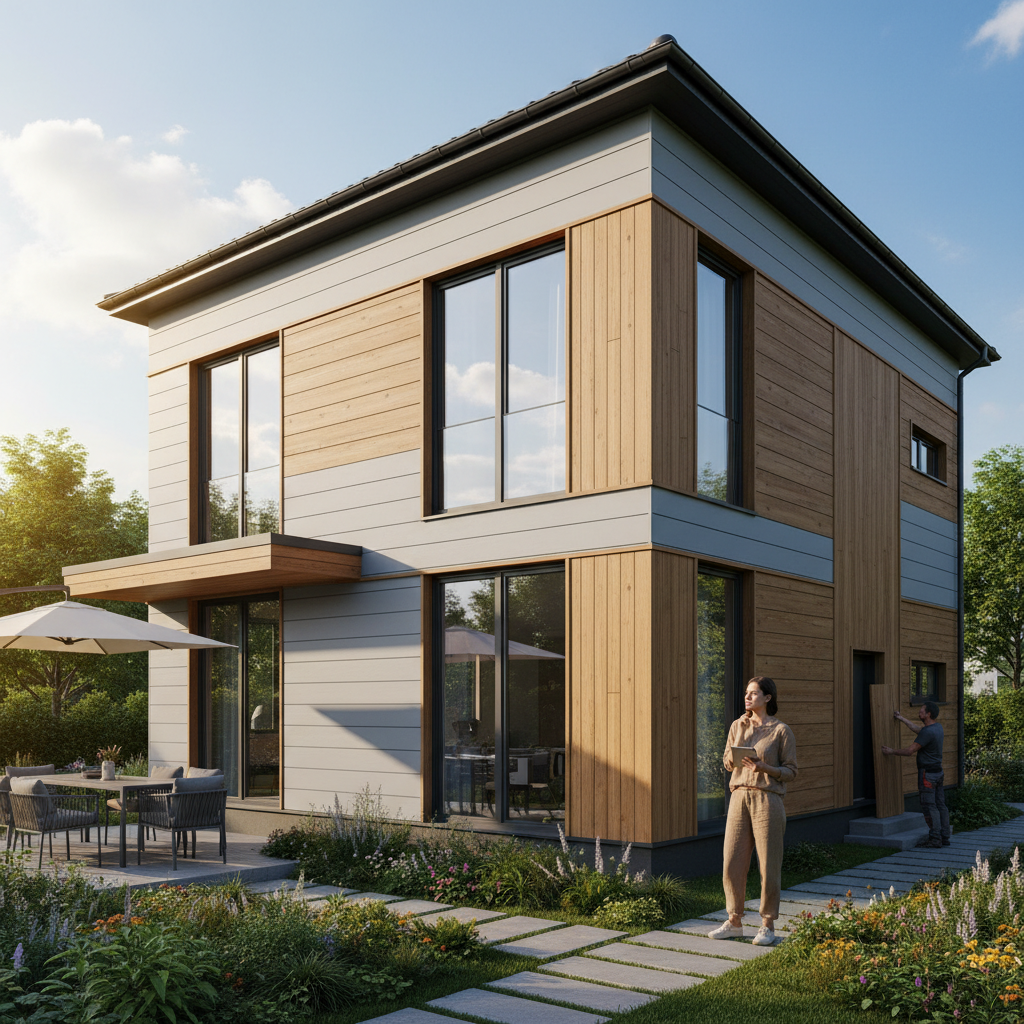
WPC (Wood Plastic Composite) cladding wall panels have gained immense popularity in modern home design due to their superior durability and low maintenance requirements. According to a report by Grand View Research, the global WPC market is expected to reach USD 6.5 billion by 2025, driven by the growing demand for sustainable and long-lasting building materials. One of the key durability advantages of WPC cladding is its resistance to rotting, warping, and cracking compared to traditional wood. This resilience makes WPC an excellent choice for homeowners seeking long-lasting beauty that can withstand diverse weather conditions.
When considering WPC cladding for your home, here are some tips to maximize its benefits: first, ensure proper installation by hiring professionals who specialize in WPC materials. This guarantees that the panels are fitted correctly, enhancing their durability. Second, select boards that have been tested for UV resistance, as this will help maintain their color and appearance over time. Lastly, most manufacturers provide warranties ranging between 10 to 25 years; opt for products with extensive warranties to ensure longevity and performance.
Additionally, WPC’s low thermal expansion rates make it an ideal choice for various climates. This feature reduces the likelihood of gaps or seams appearing over time, essentially allowing for a seamless and visually appealing finish. By choosing WPC cladding, you are investing in a durable solution that blends form and function, ensuring your home stands the test of time.
Enhancing Aesthetic Appeal: How WPC Cladding Transforms Your Home's Exterior
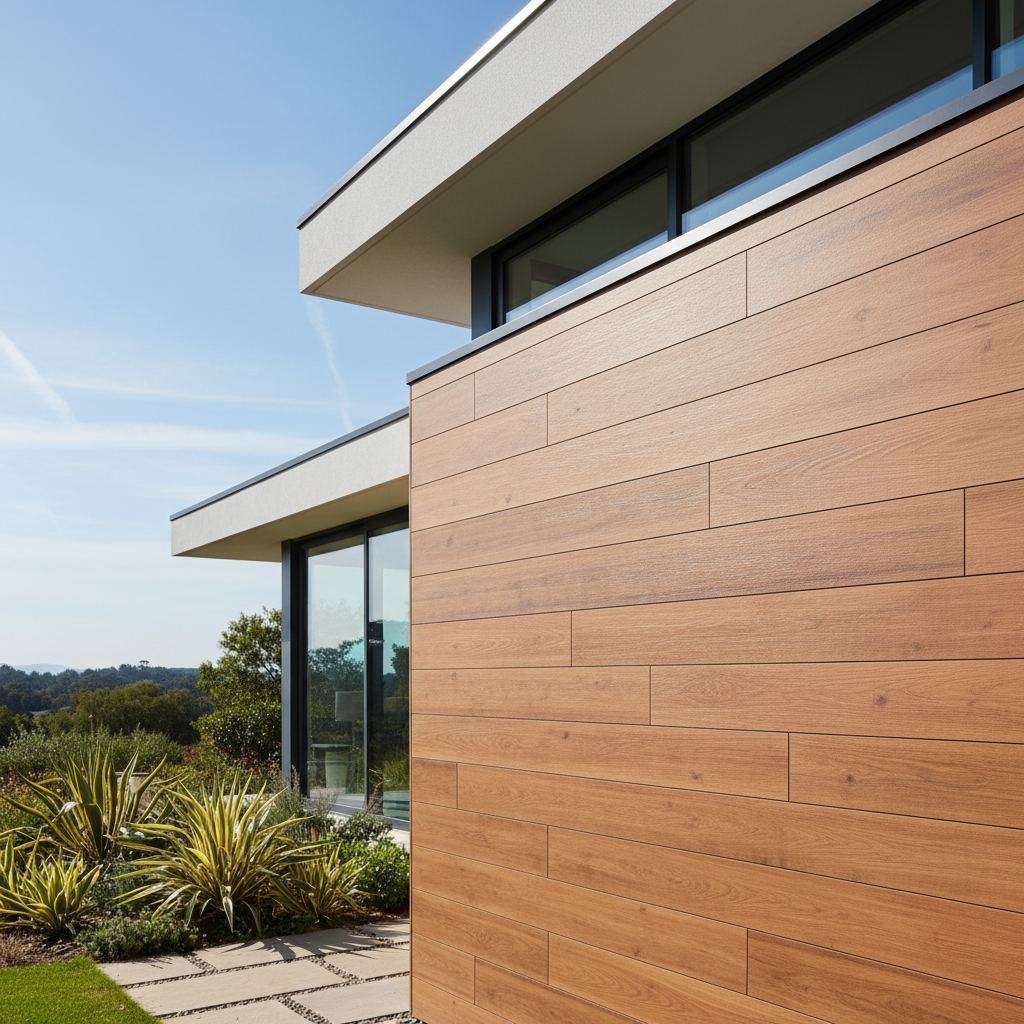
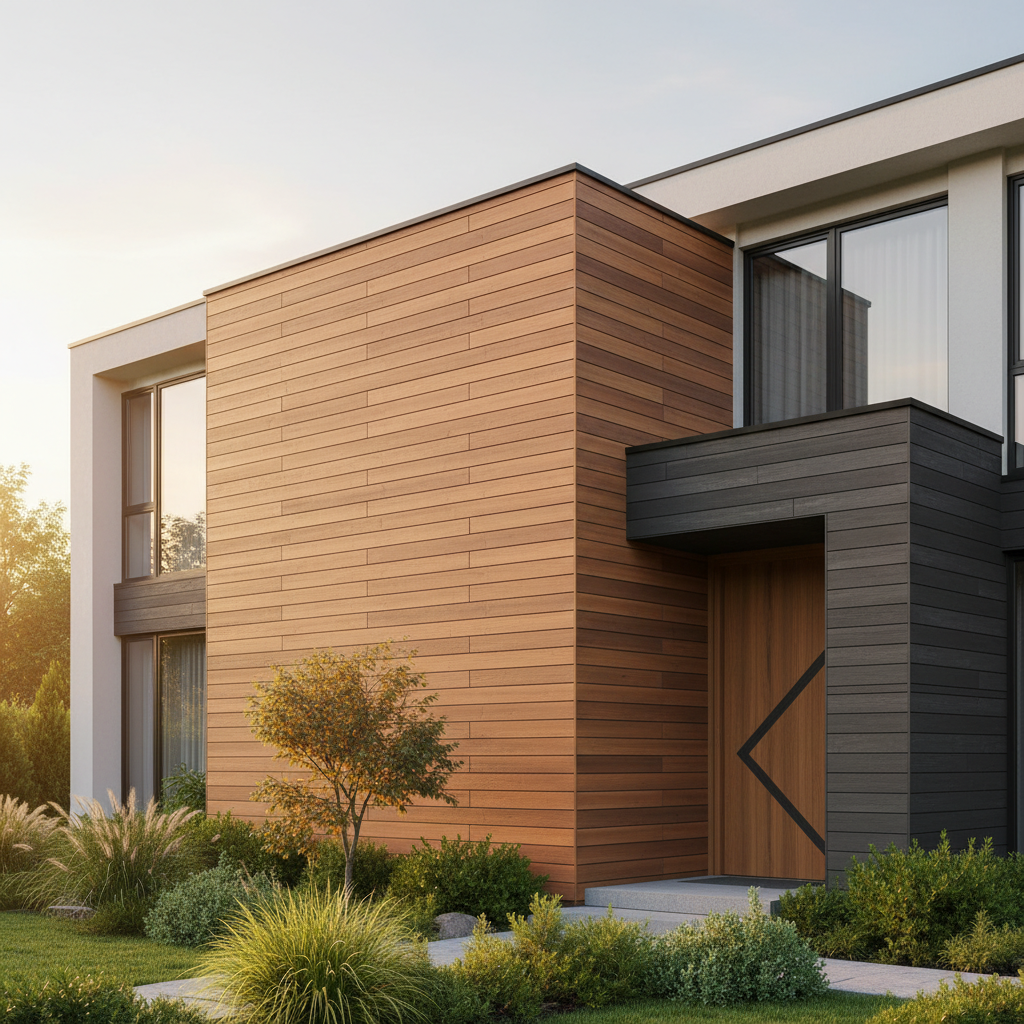
WPC cladding wall panels have become a popular choice among homeowners looking to elevate their home's aesthetic appeal. These panels, made from a blend of wood and plastic composites, mimic the natural beauty of wood while offering durability and resistance to weather elements. The rich textures and colors available in WPC cladding allow homeowners to create a stunning facade that can complement various architectural styles, from contemporary to traditional. With the right choice of finish, WPC cladding can enhance the overall curb appeal, giving the home an elegant and modern look.
In addition to their visual benefits, WPC cladding panels require low maintenance, allowing homeowners to enjoy their beautiful exteriors without the hassle of frequent upkeep. Unlike traditional wood, which can warp, splinter, or fade, WPC maintains its appearance over time, ensuring long-lasting beauty. This combination of aesthetic transformation and functional advantages makes WPC cladding an attractive option for those looking to refresh their home’s exterior while adding a touch of sophistication that stands the test of time.
Sustainability Matters: The Eco-Friendly Aspects of WPC Cladding Panels
WPC cladding panels, made from a combination of wood fibers and recycled plastic, offer a sustainable alternative to traditional building materials. By utilizing recycled plastics, these panels help reduce waste in landfills, contributing to a more circular economy. Moreover, the production process of WPC panels typically requires less energy compared to other building materials, further minimizing their environmental impact. This reduces carbon emissions associated with manufacturing, making WPC an eco-friendlier choice for cladding.
In addition to their sustainable production, WPC cladding panels are designed for durability and longevity. They are resistant to moisture, rot, and insect damage, which means they require less maintenance and replacement over time. This not only conserves resources but also ensures that the environmental footprint of a building remains low throughout its lifecycle. Choosing WPC cladding panels reflects a commitment to sustainability while enhancing the aesthetic appeal of homes, proving that eco-friendly choices can also be stylish and practical.
Top 7 Benefits of Using WPC Cladding Wall Panels for Your Home
| Benefit |
Description |
Sustainability Impact |
| Eco-Friendly Material |
Made from recycled wood fibers and plastic, reducing waste. |
Minimizes landfill waste and promotes recycling. |
| Durability |
Highly resistant to weathering, insects, and rot. |
Longer lifespan reduces the need for replacements. |
| Low Maintenance |
Requires minimal upkeep compared to traditional materials. |
Decreases resources used for maintenance. |
| Energy Efficiency |
Provides better insulation, reducing energy consumption. |
Lower carbon footprint due to reduced energy use. |
| Aesthetic Appeal |
Available in various colors and textures for custom looks. |
Encourages the use of sustainable materials in design. |
| Fire Resistance |
Often treated to reduce flammability. |
Enhances safety, potentially reducing fire-related waste. |
| Water Resistance |
Impermeable to moisture which helps prevent mold growth. |
Less need for chemical treatments to combat mold. |
Cost-Effectiveness of WPC Cladding: Long-Term Savings on Maintenance and Repair
WPC cladding wall panels offer a cost-effective solution for homeowners seeking durability without compromising aesthetics. One of the key advantages of WPC (Wood Plastic Composite) cladding is its long-term savings on maintenance and repair. Unlike traditional wood, WPC is resistant to rot, warping, and pests, significantly reducing the frequency and expense of upkeep. Over the years, these savings on repairs can add up, making WPC an economical choice for both new construction and renovations.
When selecting WPC cladding, consider its heat resistance and UV stability, which prolong its life and reduce fading over time. To maximize cost-effectiveness, ensure proper installation, as this can prevent future repairs. Also, regular cleaning with mild soap and water can keep the panels looking new and extend their lifespan. Choosing the right color and texture can also enhance your home's value without the need for frequent updates, maintaining an attractive appearance for years to come.
Ease of Installation: Streamlining the Process with WPC Wall Panels for Home Renovations
Using WPC cladding wall panels for home renovations offers significant ease of installation, making it an attractive option for homeowners and builders alike. The advent of tools such as the Project Requirement Exploration Tool (PRET) has simplified the permitting process for home renovations, including the construction of structures like laneway houses in urban areas. This streamlining not only saves valuable time but also reduces the frustration typically associated with obtaining the necessary permits.
Moreover, the integration of advanced methods like laser scanning for verticality checks enhances the overall quality and precision of installation for prefabricated wall panels. This technology ensures that each panel is installed correctly, reducing the likelihood of errors that can lead to costly repairs. With WPC wall panels, homeowners can enjoy a quick installation process that does not compromise on quality, making renovation projects more efficient and ultimately more satisfying.
Top 7 Benefits of Using WPC Cladding Wall Panels for Your Home