Top Benefits of WPC Wood Wall Panels for Modern Interior Design
In the realm of modern interior design, aesthetics and functionality play a crucial role in transforming spaces into reflections of individuality and style. One of the standout materials that has garnered attention in recent years is the WPC wood wall panel. Combining the natural beauty of wood with the durability of composite materials, WPC wood wall panels offer an innovative solution for those seeking to elevate their interior environments. These panels provide not only a visually appealing finish but also significant benefits that cater to the diverse needs of contemporary living.
The versatility of WPC wood wall panels allows them to seamlessly integrate into various design themes, from minimalistic and modern to rustic and traditional. Their lightweight nature makes installation easier while reducing labor costs, making them an attractive option for homeowners and designers alike. Additionally, WPC wood wall panels are resistant to moisture, pests, and wear, ensuring that they maintain their beauty over time without the extensive maintenance that traditional wood may require. As we delve into the top benefits of WPC wood wall panels, it becomes evident that they represent a forward-thinking choice in modern interior design, marrying aesthetics with practicality for a truly transformative effect.
Top Benefits of WPC Wood Wall Panels for Modern Interior Design
WPC (Wood-Plastic Composite) wood wall panels have emerged as a favored choice in modern interior design due to their unique combination of aesthetics and functionality. One of the standout benefits of WPC panels is their versatility in design. They can easily be molded to mimic natural wood grains and finishes, offering a luxurious appearance without the high maintenance associated with traditional wood. According to a report by Allied Market Research, the global market for WPC materials is projected to exceed $11 billion by 2026, indicating a strong trend towards these materials in interior applications.
In addition to aesthetic appeal, WPC wall panels provide significant durability and resilience. Unlike conventional wood, they are resistant to moisture, insects, and rot, making them ideal for various environments, from high-humidity bathrooms to busy living areas. The report from Research and Markets states that WPC products typically have a lifespan exceeding 25 years with proper care, thereby offering a cost-effective solution over time. Their lightweight nature also simplifies installation, further enhancing their practicality for modern spaces. This combination of beauty, longevity, and ease of use positions WPC wall panels as an optimal choice for contemporary design projects.
Overview of WPC Wall Panels: Definition and Composition
WPC (Wood-Plastic Composite) wall panels have emerged as a popular choice in modern interior design due to their unique composition and functionality. These panels typically consist of a blend of wood fibers and plastic polymers, which contributes to their durability, versatility, and aesthetic appeal. According to a report by ResearchAndMarkets, the WPC market is expected to reach USD 7.5 billion by 2025, growing significantly due to the increasing demand for sustainable and environmentally friendly building materials. The combination of materials not only enhances the structural integrity of the panels but also offers resistance to moisture, pests, and decay, making them an ideal solution for various indoor applications.
The defining characteristics of WPC wall panels extend beyond their material composition. They are often manufactured using a co-extrusion process, which encapsulates the wood fibers in a layer of plastic, providing additional protection against wear and UV damage. This technology contributes to the longevity of the panels and requires minimal maintenance, aligning with consumer preferences for low-maintenance home solutions. A study by Transparency Market Research highlights that the growth of the global decorative wall panel market, which includes WPC options, is being driven by architectural innovation and the increasing importance of aesthetics in interior spaces. As designers seek materials that offer both beauty and practicality, WPC wall panels are well-positioned to meet these evolving demands in the modern design landscape.
Environmental Benefits: Sustainable Sourcing and Low Carbon Footprint
Wood Plastic Composite (WPC) wood wall panels represent a significant
advancement in sustainable interior design. One of the foremost environmental benefits of WPC materials is their
sustainable sourcing. These panels are typically made from a combination of recycled wood fibers
and plastic, which significantly reduces the need for virgin materials.
By utilizing waste from the timber and plastic industries, WPC not only helps in waste management but also lessens the pressure on forests,
promoting responsible forestry practices. This closed-loop approach is instrumental in fostering a more eco-friendly production cycle.
Moreover, WPC wall panels are designed to have a low carbon footprint throughout their lifecycle.
The manufacturing process of WPC is less energy-intensive compared to traditional wood panel production, resulting in fewer greenhouse gas emissions.
Additionally, because WPC is highly durable and resistant to moisture and pests, it minimizes the need for frequent replacements, further reducing environmental impact.
This longevity means that, while the initial sourcing is critical, the long-term benefits of using WPC align with modern sustainability goals,
making it an ideal choice for environmentally conscious design enthusiasts looking to enhance their interiors while caring for the planet.
Aesthetic Advantages: Versatile Designs and Finishes for Modern Spaces
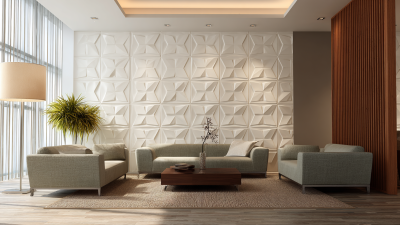
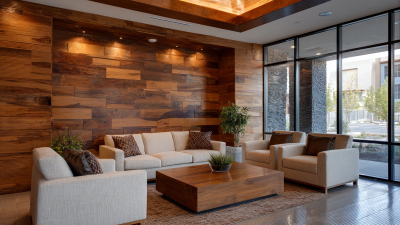
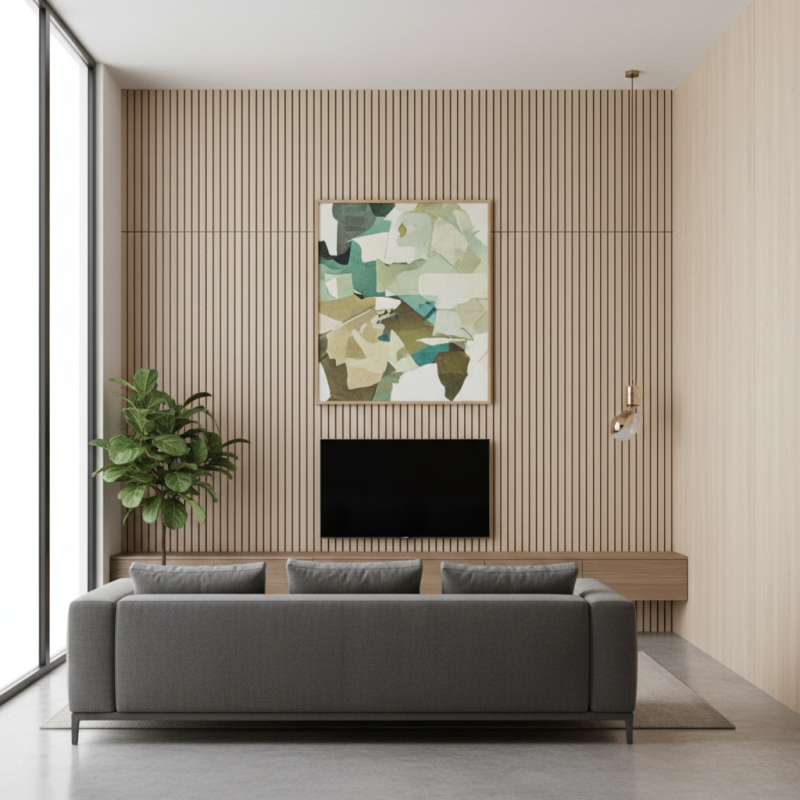
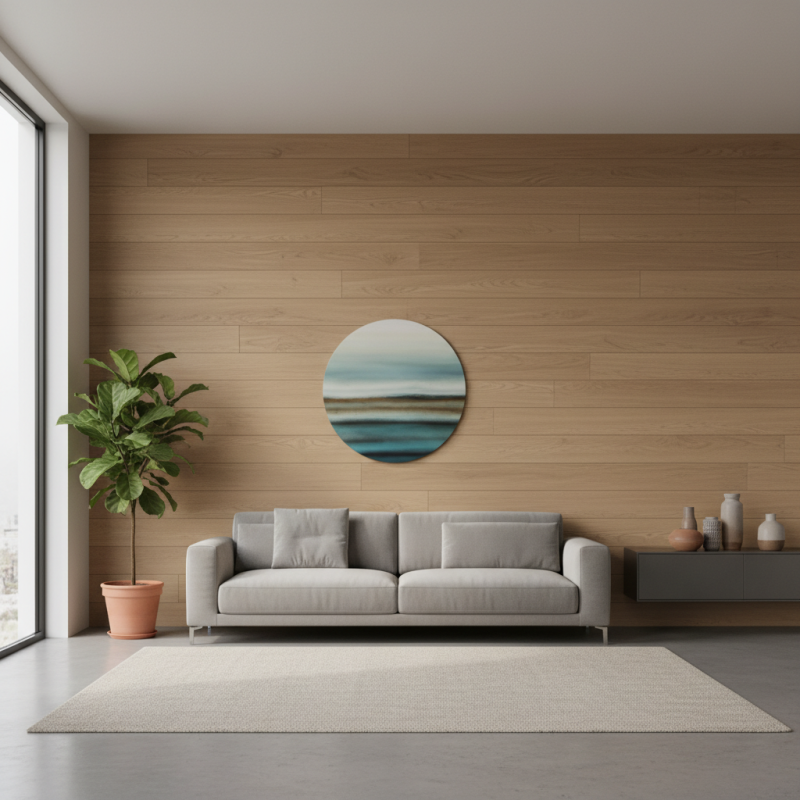
WPC (Wood Plastic Composite) wood wall panels offer an exciting blend of aesthetic appeal and functional versatility, making them an ideal choice for modern interior design. These panels come in a plethora of designs and finishes, allowing homeowners and designers to tailor spaces according to personal tastes and architectural styles. From sleek, minimalistic looks to rich, textured finishes that mimic the beauty of natural wood, WPC panels are adaptable to any decor. Their ability to provide warmth and elegance contributes significantly to the ambiance of contemporary interiors.
When choosing WPC wall panels for your space, consider the following tips: first, think about the color palette of the room. Light-colored panels can create a sense of openness and airiness, while darker shades add depth and sophistication. Additionally, mixing different finishes can enhance visual interest; for example, pairing smooth panels with textured ones can provide a dynamic contrast. Lastly, don’t overlook the importance of lighting—strategic illumination can highlight the unique features of WPC panels, elevating the overall aesthetic of the room.
Another advantage of WPC panels is their ease of installation. They can be mounted over existing walls without the need for extensive preparation. This feature not only saves time but also allows for easy updates in the future. Whether you're a DIY enthusiast or hiring a professional, working with WPC panels simplifies the design process and encourages creativity. Embrace the versatility they offer and transform your space into a modern sanctuary that reflects your unique style.
Durability and Maintenance: Resistance to Moisture and Termites
Wood Plastic Composite (WPC) wall panels have gained popularity in modern interior design due to their remarkable durability and low maintenance requirements. One of the key advantages of WPC materials is their impressive resistance to moisture. Unlike traditional wood, which can warp, swell, or rot when exposed to humidity, WPC panels are designed to withstand varying environmental conditions. This makes them an ideal choice for spaces like kitchens, bathrooms, and basements, where moisture levels can fluctuate significantly. Homeowners can enjoy the aesthetic appeal of wooden wall panels without the constant worry of water damage or the need for frequent replacements.
In addition to their moisture resistance, WPC wall panels offer outstanding protection against termites and other pests. Conventional wood materials are often vulnerable to infestations that can lead to structural damage and costly repairs. WPC panels, however, are engineered to deter these pests, ensuring that interiors remain safe and intact. This inherent resistance not only contributes to the longevity of the paneling but also significantly reduces maintenance efforts over time. Homeowners can take comfort in installing WPC panels knowing that they invest in a product designed to endure the stresses of everyday living while maintaining the beauty of their interior spaces.
Durability and Maintenance of WPC Wood Wall Panels
This chart illustrates the performance metrics of WPC wood wall panels regarding durability and maintenance. The high moisture and termite resistance ratings highlight their suitability for modern interior design, while the maintenance frequency and lifespan metrics showcase the convenience of using WPC materials.
Conclusion
WPC wood wall panels have emerged as a popular choice in modern interior design due to their numerous benefits. Composed of a blend of wood fibers and thermoplastics, these panels offer a sustainable and environmentally friendly option that significantly reduces carbon footprints. Their versatility in designs and finishes allows for seamless integration into various décor styles, enhancing the aesthetic appeal of any space.
In addition to their visual advantages, WPC wood wall panels are highly durable, providing resistance to moisture and termites, which translates to lower maintenance needs over time. This durability, coupled with cost-effectiveness in installation and upkeep, makes WPC wood wall panels a smart investment for homeowners and designers seeking long-term solutions without compromising on style or function.