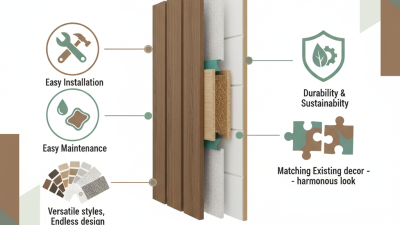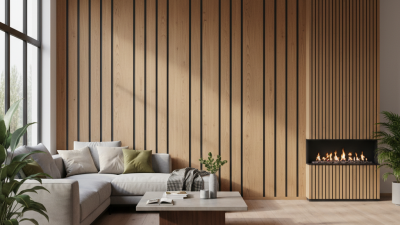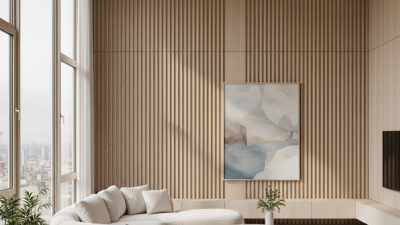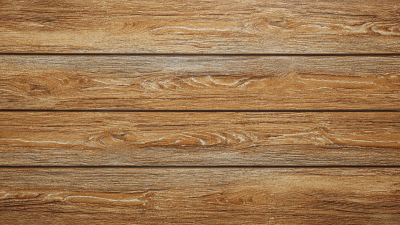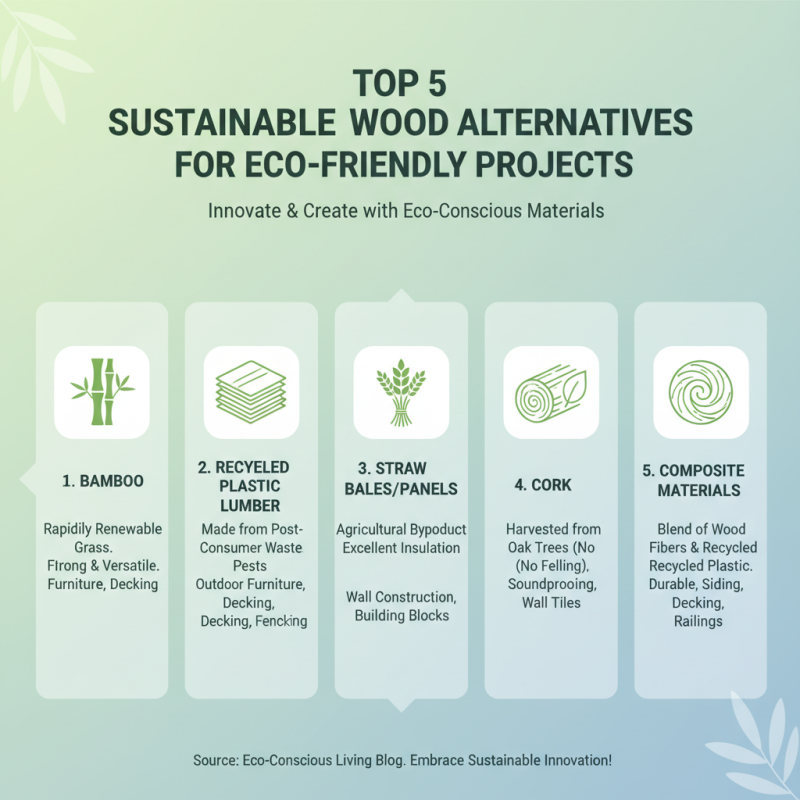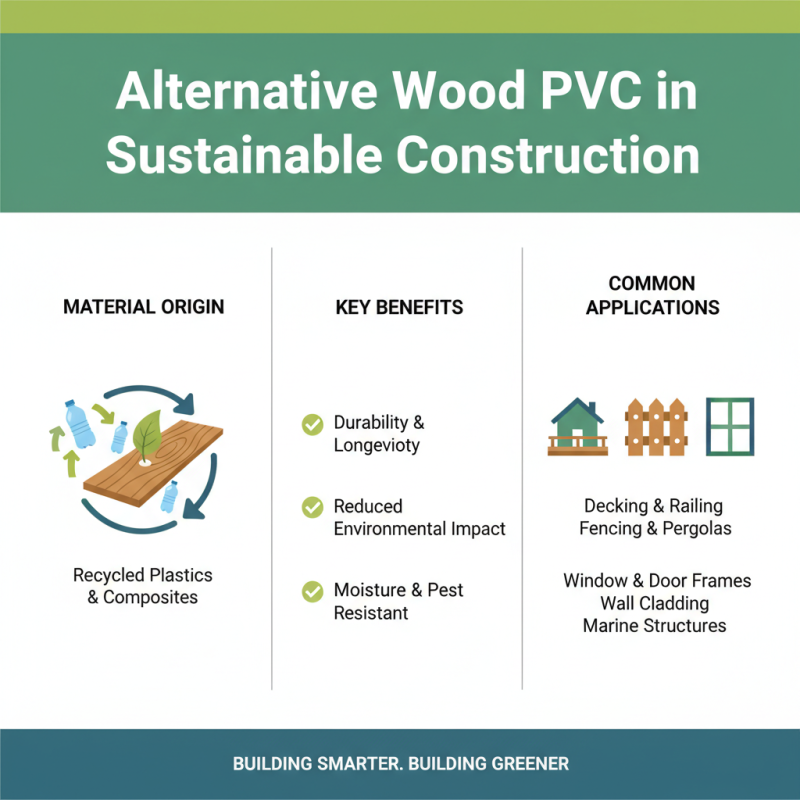

In recent years, the construction and design industries have increasingly turned to "Alternative Wood PVC" materials. This shift is driven by a growing awareness of sustainability. For instance, a report by the Green Building Council noted that eco-friendly materials can significantly reduce carbon footprints during and after construction. Industry expert Dr. Emily Chen states, “Alternative Wood PVC presents a compelling option for those seeking sustainable solutions without sacrificing quality.”
Alternative Wood PVC combines the durability of traditional PVC with renewable resources. Research indicates that these materials can last longer than their traditional counterparts, reducing waste over time. However, the production process requires careful consideration regarding the sourcing of materials. Some manufacturers may still rely on non-renewable resources, which raises questions about true sustainability.
Furthermore, while the benefits are evident, challenges remain. Consumers often find it difficult to differentiate between genuinely sustainable products and those that merely claim to be. Transparency in sourcing and production becomes essential to foster trust in Alternative Wood PVC offerings. Through continued exploration and innovation, the industry can enhance its commitment to sustainability while addressing these concerns.
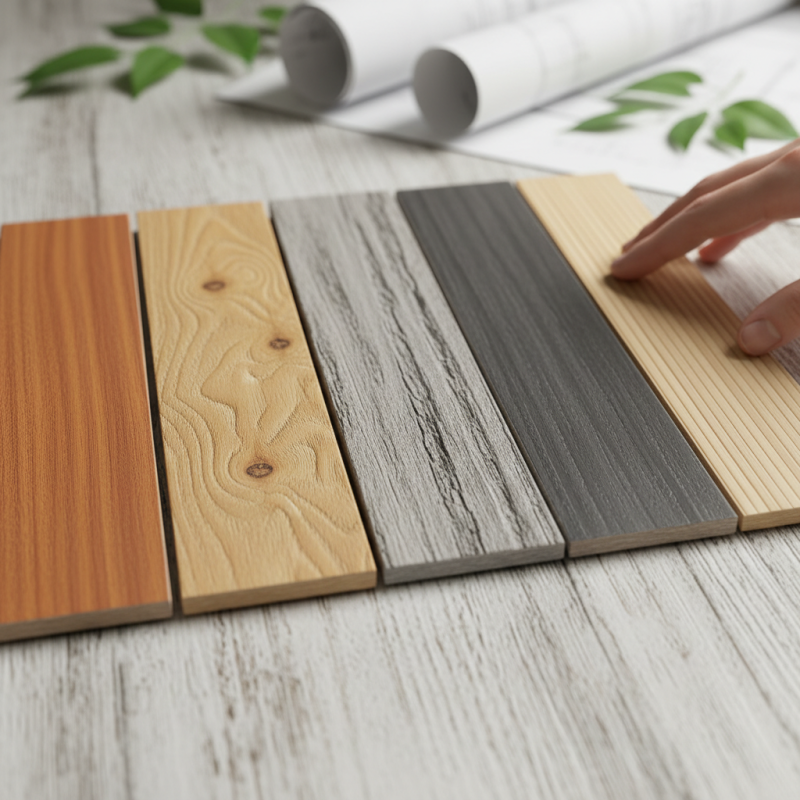
Sustainability is essential in today's building industry. As we look for alternatives to traditional wood and PVC, a variety of options emerge. Bamboo serves as a strong candidate, known for its rapid growth and minimal environmental impact. Reclaimed wood also shines, offering character and history while reducing waste.
Recycled plastics, including those from bottles or containers, create durable outdoor furniture. They mimic the appearance of wood while resisting moisture and pests. Another option, hemp composites, combine strength and sustainability. These materials are lightweight and help reduce tree logging.
Tips: Consider local sourcing. Materials that are produced nearby often have a smaller carbon footprint. Always check for certifications. Reliable sources ensure that materials meet eco-friendly standards. Be open to experimenting with combinations. Blending different sustainable materials can yield unique, functional designs.
When evaluating sustainable wood alternatives, it's essential to consider several criteria that enhance both environmental impact and functionality. One crucial aspect is the source of the material. Wood products from responsibly managed forests contribute to sustainability. They support biodiversity and protect ecosystems. Additionally, reclaimed and recycled materials offer a second life to wood. This prevents deforestation and reduces waste.
Another key factor is the production process. Eco-friendly manufacturing practices can minimize emissions and waste. Look for options that use non-toxic adhesives and finishes. These choices not only protect the environment but also ensure better indoor air quality. Additionally, durability is vital for sustainable projects. Materials that last longer can reduce the need for replacement, ultimately saving resources.
Cost is often a concern, yet investing in sustainable alternatives can lead to long-term savings. While the initial price may be higher, the longevity and minimal maintenance required can offset these costs. However, it’s important to remain aware of the trade-offs. Not all sustainable options may fit every project’s aesthetic or structural needs. This reflection helps in making more informed and responsible choices.
Sustainable projects are gaining traction in today’s eco-conscious world. One way to embrace this is by exploring wood alternatives. Many options are both sustainable and visually appealing.
Bamboo is a standout choice. It grows rapidly and requires minimal resources. This grass can be harvested without killing the plant, allowing it to regenerate quickly. Another interesting option is recycled plastic lumber. It’s made from repurposed materials, reducing waste. This durable alternative is resistant to rot and insects, making it practical for outdoor use.
Cork is another innovative choice. It’s harvested from the bark of cork oak trees without harming the tree. This means that the ecosystem remains intact and healthy. Lastly, reclaimed wood offers beauty and a story. By reusing old wood, you can reduce demand for new materials. However, finding quality reclaimed pieces can be a challenge. Each of these options provides unique benefits, encouraging creativity and thoughtful choices in sustainable design.
Exploring alternative wood PVC options for sustainable projects can be rewarding yet challenging. Each material offers unique benefits and drawbacks that impact your choices. Recycled plastic lumber is a popular choice, made from waste materials. It is durable and resistant to decay. However, it can be heavier and more expensive than traditional wood.
Another option is bamboo. It's a fast-growing plant, which makes it an eco-friendly choice. Bamboo can be strong and lightweight, but it may require careful sourcing to ensure sustainability. Focus on certified bamboo sources to avoid harmful practices.
Composite materials combine wood fibers and plastic. They resist mold and do not splinter. Yet, they often have a shorter lifespan than solid wood. When selecting materials, consider the environmental impact and longevity.
Tips: Always check local recycling options before disposal. This helps reduce waste significantly. When choosing materials, prioritize those with certifications. They ensure responsible sourcing and minimize environmental harm.
| Material | Benefits | Drawbacks | Best Uses |
|---|---|---|---|
| Bamboo | Fast-growing, renewable, strong and durable | Can be susceptible to pests, may require treatment | Flooring, furniture, construction |
| Recycled Plastic Lumber | Durable, resistant to rot, low maintenance | Limited aesthetic appeal, may not be as strong as wood | Decking, outdoor furniture, landscaping |
| Hemp Wood | Sustainable, lightweight, attractive grain | Not as widely available, can be pricier than other woods | Furniture, cabinetry, decorative applications |
| Cork | Renewable, excellent insulation properties, water-resistant | Limited applications, can be expensive | Flooring, wall coverings, soundproofing |
| MDF (Medium Density Fiberboard) | Smooth surface for painting, made from recycled materials | Not as strong as solid wood, can emit VOCs | Cabinets, moldings, detailed work |
Alternative wood PVC options are increasingly popular in sustainable construction. These materials provide durability while minimizing the environmental impact of traditional wood. They are derived from recycled plastics and have various applications in building projects.
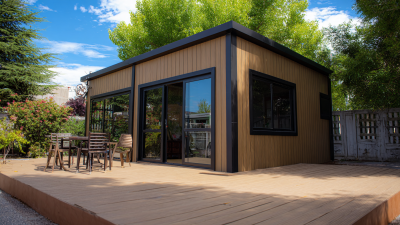
One primary use is for decking. Composite decking made from alternative wood PVC is resistant to fading and moisture. It requires minimal maintenance compared to natural wood. This makes it a cost-effective choice for homeowners. Another application is in cladding. Alternative wood PVC offers an aesthetic appeal without the drawbacks of rot and insects.
Some builders are hesitant due to the initial costs. It can be higher than traditional materials. However, in the long run, savings in maintenance justify the expense. While alternative wood PVC holds great promise, it is essential to educate users on the correct installation methods to avoid issues later. Proper understanding ensures that these materials perform optimally, making them a smart choice for any sustainable project.