2026 Best Alternative Wood Options for Sustainable Sourcing?
As the society shifts towards sustainable practices, the alternative wood industry is gaining momentum. According to the 2023 Forest Products Report, alternative wood could reduce carbon emissions by up to 30% compared to traditional timber. This data highlights the significance of exploring these sustainable materials as demand grows.
Expert in sustainable forestry, Dr. Emily Chen, emphasizes the importance of this shift, stating, "Alternative wood solutions are not just a trend; they are essential for a sustainable future." The versatility of materials like bamboo, reclaimed wood, and laminated veneer offers various options. They allow manufacturers to meet consumer demand while minimizing environmental impact.
However, challenges remain. Sourcing and processing these materials can be inconsistent. Additionally, not every alternative wood holds the same quality or durability as traditional wood. Continuous research and development are crucial in this evolving landscape. As the industry matures, being mindful of these imperfections will shape a more sustainable tomorrow.

2026 Market Trends in Sustainable Wood Alternatives Analysis
In 2026, the landscape of sustainable wood alternatives continues to evolve. The demand for eco-friendly materials is growing rapidly. According to a recent market analysis, the sustainable wood alternatives market is expected to reach $50 billion by 2026. This increase reflects a shift in consumer preferences towards environmentally responsible products.
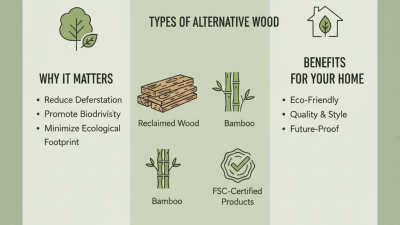
Bamboo and reclaimed wood are leading candidates in this sector. Bamboo is versatile and grows quickly, making it a popular choice for various applications. Reclaimed wood offers a unique aesthetic while reducing waste. Research indicates that using reclaimed wood can cut carbon emissions by 30% compared to traditional lumber sources. These statistics highlight the benefits of eco-conscious choices.
Tips: When selecting sustainable wood options, consider local suppliers. Sourcing materials locally reduces transportation emissions. Additionally, ask about the sourcing practices of the supplier. Understanding the origin of the materials can ensure responsible purchasing decisions.
Despite these advancements, challenges remain. Not all alternative materials are created equal. Some may not meet durability standards. It's important to thoroughly evaluate claims and seek certifications where possible. This helps in making informed and sustainable choices in construction and design.
Key Factors Driving the Demand for Eco-friendly Wood Substitutes
The rising demand for
eco-friendly wood substitutes
is evident in today’s market. According to a recent report by the
Forest Stewardship Council,
sustainable wood consumption increased by 25% from 2018 to 2021. This trend reflects a growing awareness of
deforestation and its impact on global ecosystems. Many industries are shifting towards
alternative materials that are more sustainable.
Innovative materials such as
reclaimed wood,
bamboo, and
engineered wood products
are gaining traction. Reclaimed wood reduces the need for new timber while preserving the character of aged materials. Bamboo, a
fast-growing grass, can be harvested sustainably every few years, making it an attractive option. Engineered wood products, which include plywood and laminated
veneer lumber, utilize less raw material compared to traditional lumber. They can be produced with less waste and often feature adhesives that contribute to stability.
However, the transition is not without challenges. Sourcing sustainable alternatives can be complex. The quality and availability of materials may vary significantly in different regions.
Moreover, some eco-friendly options may still
rely on industrial processes that have a carbon footprint. Transparency in sourcing is often lacking, hindering consumer confidence.
The industry remains in a state of reflection, questioning the reliability of claims made by various producers. As the demand for
sustainable wood substitutes grows, the focus must remain on
quality and environmental integrity.
Comparative Assessment of Bamboo, Recycled Wood, and Engineered Products
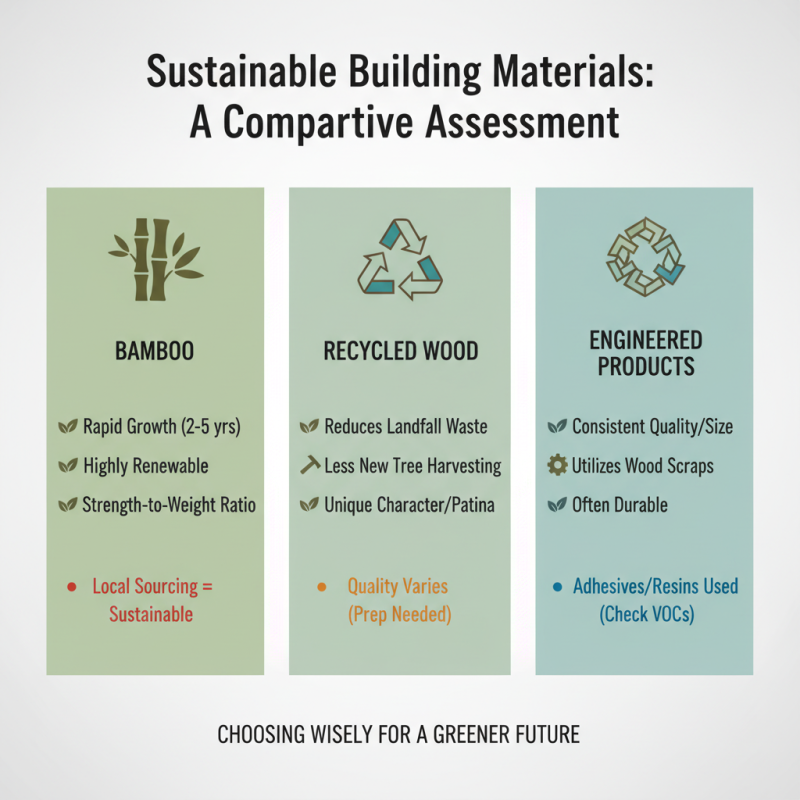
The sustainability movement has sparked interest in alternative wood options, notably bamboo, recycled wood, and engineered products. Bamboo stands out due to its rapid growth and renewability. As a grass, it can reach maturity in just a few years. This makes it a compelling option for eco-conscious builders and designers. Its strength-to-weight ratio is impressive, though it's essential to consider local sourcing. Not all bamboo is harvested sustainably.
Recycled wood offers another valuable alternative. This type of wood repurposes old furniture, flooring, or timber into new products. It reduces waste in landfills and minimizes the need for new logging. The unique character of recycled wood can add charm to any design, though the sourcing can be inconsistent. Quality varies, making it essential to assess each piece carefully.
Engineered wood products, such as plywood and laminate, provide versatility. They use less solid wood while maintaining strength and stability. However, it's crucial to examine the adhesives used, as some may not be eco-friendly. While these engineered options can be efficient, they may lack the authenticity some desire in natural wood. Each option carries its pros and cons, necessitating careful thought for sustainable choices.
Industry Leaders in Sustainable Wood Sourcing: A Global Perspective
Sustainable wood sourcing is a priority for many industries today. Leaders are exploring alternatives to traditional timber. This shift is essential for reducing deforestation and protecting ecosystems. Bamboo stands out as a highly renewable resource. It grows quickly and absorbs carbon effectively. Its versatility makes it an excellent choice for various applications.
Another alternative gaining traction is reclaimed wood. This material is salvaged from old buildings and furniture. Using reclaimed wood reduces waste and lowers the demand for new timber. It also adds a unique character to any project. However, sourcing high-quality reclaimed wood can be tricky. Not all reclaimed wood is suitable for all uses.
The industry is also looking at innovative materials like mycelium. This fungal material offers a biodegradable option for construction. Yet, it is still in the experimental stage. Implementing new practices requires commitment and education. Industry leaders must engage in ongoing discussions. Open communication is key to finding the right solutions. Sustainable sourcing is an evolving challenge. It demands flexibility and a willingness to adapt.
Lifecycle Analysis of Alternative Wood Materials and Their Environmental Impact
In recent years, alternative wood materials have gained attention for their potential to reduce environmental impacts. A lifecycle analysis reveals critical insights into these options. For instance, bamboo, often touted as a sustainable choice, can mature in just three to five years. This rapid growth makes it a compelling alternative to traditional hardwoods, which can take decades to regenerate.
Research indicates that bamboo has a lower carbon footprint. According to a study by the Forest Stewardship Council, bamboo absorbs more carbon dioxide than many tree species. Other options like reclaimed wood also offer significant environmental benefits. By reusing existing materials, we decrease the demand for new lumber. However, the sourcing of reclaimed wood can be inconsistent and sometimes inefficient.
Another emerging material is mushroom mycelium, a biodegradable alternative. Early studies show that it can break down into the environment without leaving harmful residues. This innovative option is still in early development stages. As we examine these alternatives, we must address the challenges of scaling production. Balancing sustainability and economic viability remains a key obstacle. Exploring the full lifecycle of these materials is essential for responsible sourcing in the future.