2026 Best Timber Veneer Wall Panels for Your Home Design?
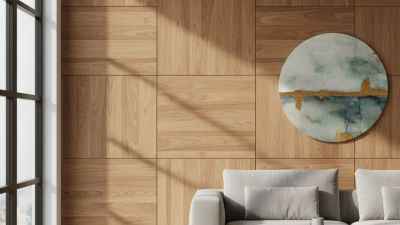
Timber Veneer Wall Panels are gaining popularity in modern home design. These panels offer a unique blend of aesthetics and functionality. With various finishes and textures, they can elevate any space. Homeowners appreciate their natural look and warmth.
For the year 2026, several options stand out. Some panels boast rich colors and dramatic grains. Others focus on sustainability, using eco-friendly materials. Choosing the right timber veneer can be overwhelming. It's crucial to considering your home's style and atmosphere.
While these panels enhance visual appeal, they require maintenance. You might wonder about their durability over time. Some options are more resistant to wear than others. Investing in high-quality Timber Veneer Wall Panels can save costs in the long run. However, not every choice will suit your needs perfectly. Selecting the right option involves careful thought.
Understanding Timber Veneer Wall Panels and Their Benefits
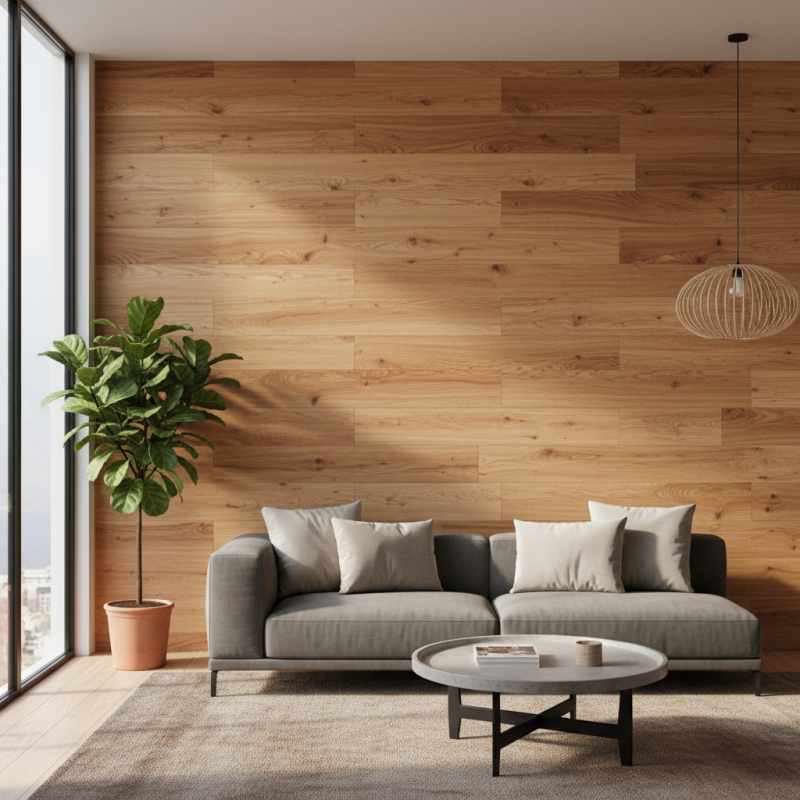
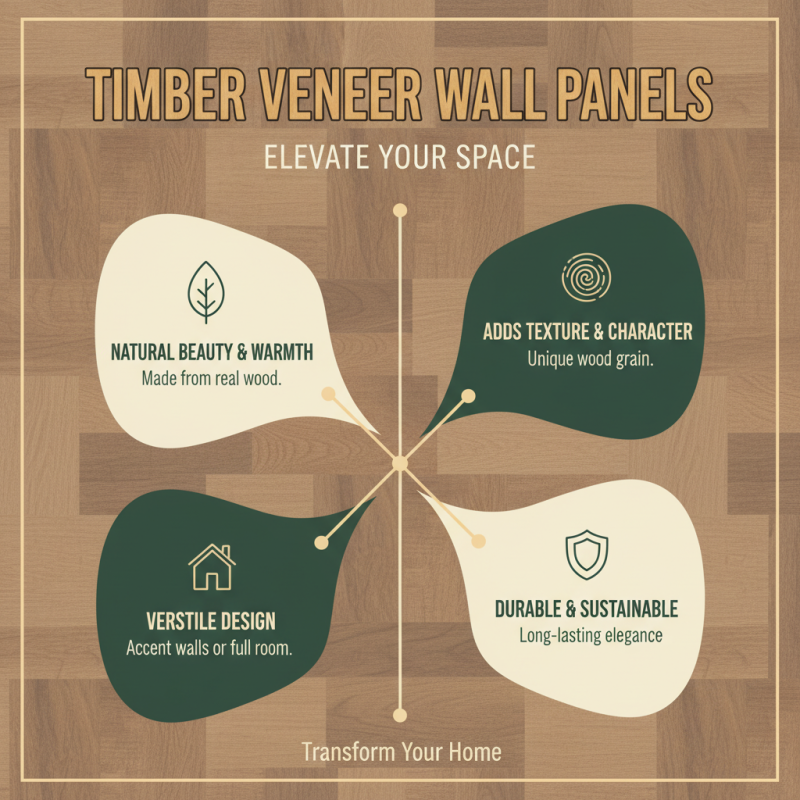
Timber veneer wall panels can transform a space. They bring warmth and texture to any room. Made from real wood, these panels showcase natural beauty. They can be applied to accent walls or used throughout the home. Their versatility allows for unique designs.
One of the key benefits is their eco-friendliness. Timber veneer is made from thin slices of wood. This process uses fewer resources compared to solid wood products. However, it’s essential to consider sourcing. Not all timber is sustainably harvested. A careful selection can reduce environmental impact.
The installation process requires attention to detail. Uneven walls may complicate fitting. Gaps can lead to an unfinished look. Choosing the right adhesive is crucial for durability. Some users may find maintenance challenging over time. Regular sealing can keep surfaces looking fresh. Overall, timber veneer offers both aesthetic appeal and practical benefits, but thoughtful consideration is required.
Types of Timber Veneer Used in Wall Paneling
Timber veneer wall panels offer a unique aesthetic to home design. Various types of timber veneer can enhance any room's character. The most common types include oak, walnut, and maple. Each brings different shades and textures to your walls. Oak provides a classic look with its warm, golden tones. Walnut, on the other hand, has a darker, richer hue, offering a more modern feel. Maple is lighter and brighter, perfect for creating an open atmosphere.
When choosing timber veneer, consider the grain patterns. Oak features prominent grains that can be quite rustic. In contrast, walnut has a more subtle grain, presenting an elegant and refined appearance. The choice of finish is also crucial. A matte finish can highlight the wood's natural beauty, while a glossy finish lends a contemporary vibe. However, maintaining the panels can be tricky, especially with stains and scratches.
Installation of these panels requires precision. Any misalignment can disrupt the design flow. It’s essential to measure carefully and consider the wall's texture. Some might find timber veneer panels difficult to install, leading to regrets. Despite this challenge, they can transform a dull space into a stunning focal point. Taking the time to choose the right type of timber veneer will ultimately yield satisfying results for your home's design.
2026 Best Timber Veneer Wall Panels for Your Home Design
Design Considerations for Incorporating Timber Veneer Panels
When considering timber veneer panels for your home, aesthetics and functionality go hand in hand. The warmth of wood can bring a cozy atmosphere. Different species of timber offer varying hues and grains. Light oak creates an airy feel, while walnut adds richness. Notice how these choices affect your space. Each panel can transform a wall into a focal point, but the wrong selection can clash with your decor.
Think about the arrangement of your timber veneer panels. Vertical placement can enhance room height, while horizontal can make spaces feel wider. Consider the natural light in your room; it plays a vital role. Panels can darken a bright space or brighten a gloomy one. Mix and match different styles for depth. However, it might make the design look busy. Sometimes less is more, so aim for balance.
Maintenance is another consideration. Veneer requires care to keep its beauty over time. An untreated panel can show wear and tear quickly. Regular cleaning is essential, but too much product can cause dullness. Reflecting on these points may save you future headaches. The beauty of timber veneer lies not just in its initial appeal, but in how it ages gracefully with your home.
2026 Best Timber Veneer Wall Panels for Your Home Design
| Features |
Description |
Benefits |
Ideal Use |
| Natural Aesthetic |
Real wood veneers provide an authentic appearance. |
Enhances the beauty of interiors. |
Living rooms and offices. |
| Sustainability |
Made from sustainable sources. |
Eco-friendly choice for modern designs. |
Commercial spaces and eco-conscious homes. |
| Versatile Designs |
Available in various textures and colors. |
Can be tailored to match any decor style. |
Residential and hospitality design. |
| Ease of Maintenance |
Easy to clean and maintain. |
Reduces long-term upkeep costs. |
Homes with high-traffic areas. |
| Acoustic Benefits |
Can improve sound insulation. |
Creates a quieter and more comfortable space. |
Home theaters and studios. |
Maintenance Tips for Timber Veneer Wall Panels
Timber veneer wall panels offer a stylish and warm touch to any home. However, proper maintenance is crucial to preserve their beauty. According to industry reports, about 60% of homeowners neglect the upkeep of their timber veneer. This can lead to fading and damage over time.
Keep your veneer panels clean by dusting them regularly. Use a soft, dry cloth to avoid scratches. If stains occur, a damp cloth with mild soap is effective. Avoid harsh chemicals as they can strip the finish. Remember, excessive moisture can warp the veneer.
Consider applying a wood conditioner every few months. It helps maintain the natural luster of the panels. Ensure your home has a stable humidity level; aim for around 30% to 50%. This prevents cracking and enhances longevity. Little maintenance efforts can save substantial replacement costs later. Don't overlook these details; they can make a significant difference over time.
Top Brands and Products for Timber Veneer Wall Panels in 2026
Timber veneer wall panels are gaining immense popularity in home design for 2026. They blend aesthetics with sustainability. The global market for wood products is projected to reach $100 billion by 2026, according to industry reports. Timber veneers offer a natural texture and warmth that synthetic materials often lack.
In the current market, various types of timber veneer are available. Wood species like oak, walnut, and cherry are frequently used. Fast-growing trees are becoming more favorable due to their sustainable harvesting options. It is essential to choose timber veneer that aligns with environmental standards. Many homeowners still overlook the importance of sourcing responsibly.
Quality and durability remain crucial when selecting wall panels. Numerous consumers face challenges with veneers fading or peeling off. Reports indicate that 15% of timber products underperform in various climates. Standardizing quality checks in production could mitigate these issues. Choosing the right finish can make a significant difference, enhancing longevity. It’s important to reflect on how each choice can impact your overall design and environmental footprint.