What is the Best WPC Fluted Panel for Your Project?
In today's construction and design landscape, the use of WPC fluted panels has gained significant attention. These panels, made from wood-plastic composites, offer a blend of aesthetics and functionality that's hard to ignore. According to recent industry reports, the global WPC market is expected to reach $9.43 billion by 2027, highlighting the growing preference for materials that are both eco-friendly and durable.
WPC fluted panels provide various benefits, including resistance to moisture and UV rays, making them ideal for exterior applications. They offer a modern, stylish solution for both residential and commercial projects. However, choosing the best panel can be challenging. With numerous options available, it's essential to evaluate factors like durability, design, and environmental impact carefully.
Moreover, while WPC fluted panels are gaining popularity, not all products deliver the same quality. Some may bend, fade, or fail to meet performance standards over time. This reflection is critical for consumers and professionals alike, as the right choice can significantly affect both the project's outcome and the overall sustainability of the materials used. Understanding these nuances can help guide effective decision-making in your next project.
What is WPC Fluted Panel and Its Applications?
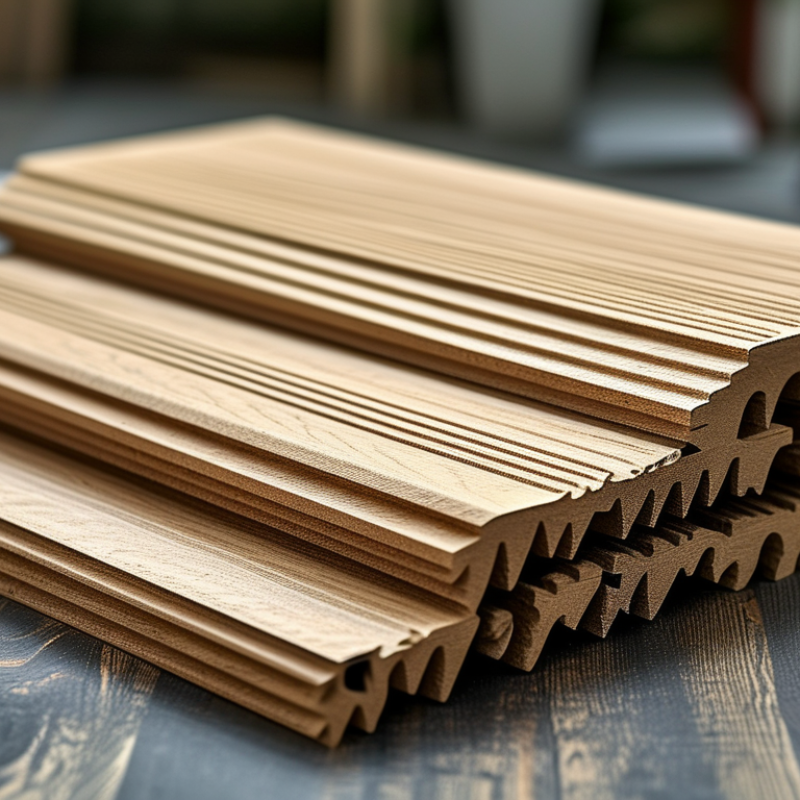
WPC (Wood Plastic Composite) fluted panels are gaining attention in various industries. They blend wood fibers with plastic, creating a durable and versatile material. These panels are often used in construction, interior design, and furniture making. Their lightweight nature and resistance to moisture make them ideal for both indoor and outdoor applications. According to a recent market report by Transparency Market Research, the global WPC market is expected to grow at a CAGR of 12.3% from 2021 to 2028.
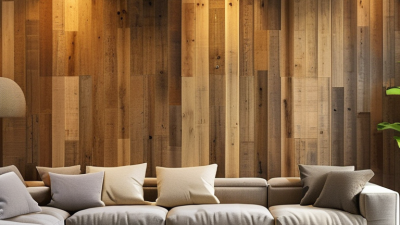
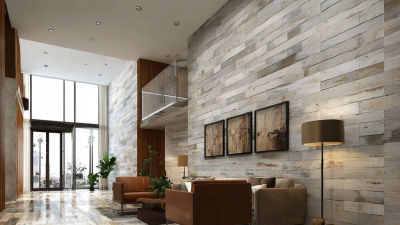
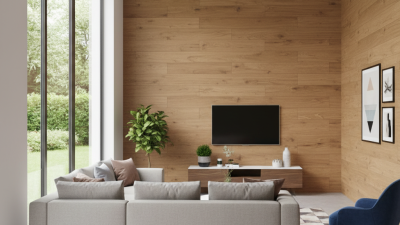
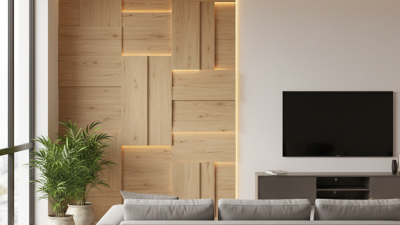
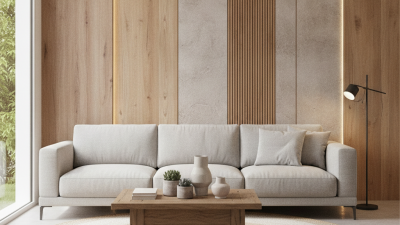
The aesthetics of WPC fluted panels can enhance visual appeal. The fluted design adds depth and texture, making them suitable for modern architecture. They can be used as wall cladding, ceiling panels, or even partition walls. The panels are easy to install, which contributes to their popularity in residential and commercial projects.
When selecting WPC fluted panels, consider the environmental impact. Look for panels with certifications indicating they are made from sustainable materials. Regular maintenance can prolong their lifespan; however, poorly maintained fluted panels may fade or warp. Keep in mind that while these panels are durable, they still require care, especially in harsh weather conditions.
Key Features of WPC Fluted Panels to Consider
When selecting WPC fluted panels, consider their structural integrity. The best panels offer durability and resistance to moisture. These features ensure longevity and reduce maintenance needs. The thickness of the panels is crucial as well. Thicker panels tend to provide better insulation and sturdiness.
Aesthetic appeal plays a significant role in your selection. Colors and patterns should complement your project’s design. Look for options that offer a variety of finishes. Texture can also add depth, transforming a simple design into something striking.
Pay attention to the installation process. Some panels are easier to work with than others. This can affect your timeline and budget. Consider your skill level and the time you have available. While looking for cost-effective solutions, remember quality should not be compromised. Each project may require specific attributes, reflecting personal and professional tastes. Reflecting on these aspects will lead to a better overall result.
Key Features of WPC Fluted Panels
Comparing Different Types of WPC Fluted Panels
When selecting WPC (Wood Plastic Composite) fluted panels, project requirements play a crucial role. Different types of panels come with unique attributes. For instance, some panels emphasize durability, while others focus on aesthetic appeal. This means a choice based solely on appearance may lead to future issues, like wear and tear.
Consider the thickness and texture of the panels. Thicker panels often provide better insulation and structural integrity. However, they may also add weight, which could complicate installation. On the other hand, thinner options are lighter and may be easier to handle, but might not hold up as well over time. The decision involves more than just looks; it requires weighing functionality against design.
Another factor is the finish of the panels. Some are designed to resist fading and scratches, making them suitable for high-traffic areas. Yet, a finish that looks good in the showroom may not perform well in real-life conditions. Wood-like finishes can mimic natural materials, but they also require maintenance to keep from deteriorating too quickly. Reflecting on these details will lead to a better choice for your project.
Factors Influencing Your Choice of WPC Fluted Panel
Choosing the right WPC fluted panel for your project involves several key factors. The first is the environment where the panel will be used. Different climates can affect material performance. For instance, panels exposed to high moisture may require enhanced resistance to water absorption. Not considering this can lead to issues like warping or mold growth.
Another important factor is design aesthetics. The color, texture, and finish of the panels can greatly impact the overall look of your project. Some designs may complement contemporary styles, while others suit traditional themes. Be mindful of how your choice aligns with your vision. Color fading over time is a potential concern, especially in sunny areas, which may require additional upkeep.
Finally, consider sustainability and manufacturing processes. Not all WPC panels are created equal regarding their ecological footprint. It can be challenging to find a product that balances durability with environmental responsibility. Reflect on how your choice supports sustainable practices. Understanding these factors will lead to a more informed and satisfying decision for your project.
Installation and Maintenance Tips for WPC Fluted Panels
WPC fluted panels are gaining popularity for their versatility and eco-friendliness. These panels are made from a mix of wood fibers and recycled plastic. When installed correctly, they can last up to 25 years, making them a sustainable choice for various projects. The low maintenance required for WPC panels is particularly appealing to homeowners and builders alike.
Proper installation is crucial for maximizing durability. Ensure that the panels are not directly in contact with the ground, as moisture can lead to deterioration. A gap of about an inch is recommended to allow for proper drainage. Research indicates that 75% of WPC panel failures are due to poor installation techniques. Therefore, following installation guidelines closely can save time and resources.
Regular maintenance is needed, but it is minimal compared to traditional materials. Simple cleaning with soap and water can prolong the life of the panels. However, it's essential to watch for scratches or signs of wear. Repairing minor damages promptly can prevent larger issues down the line. A proactive approach in both installation and maintenance can enhance the performance of WPC fluted panels significantly.
What is the Best WPC Fluted Panel for Your Project? - Installation and Maintenance Tips for WPC Fluted Panels
| Dimension |
Material Composition |
Ideal Applications |
Color Options |
Maintenance Tips |
| 4' x 8' |
Wood Plastic Composite (WPC) |
Wall Cladding, Ceilings |
Grey, Brown, Beige |
Clean with mild soap and water; Avoid harsh chemicals |
| 5' x 10' |
Recycled Wood Fiber and Plastic |
Outdoor Decking, Fencing |
Black, White, Teak |
Check for loose panels; Regular cleaning recommended |
| 6' x 12' |
High-Density Polymer |
Interior Partitions, Sound Barriers |
Natural Wood Finish, Custom Colors |
Inspect joints; Clean spills promptly |
| 3' x 6' |
Composite Material |
Commercial Spaces, Retail |
Charcoal, Light Oak |
Avoid abrasive scrubbers; Lightly sand rough areas |