Best Wpc Indoor Wall Cladding Options for Global Buyers?
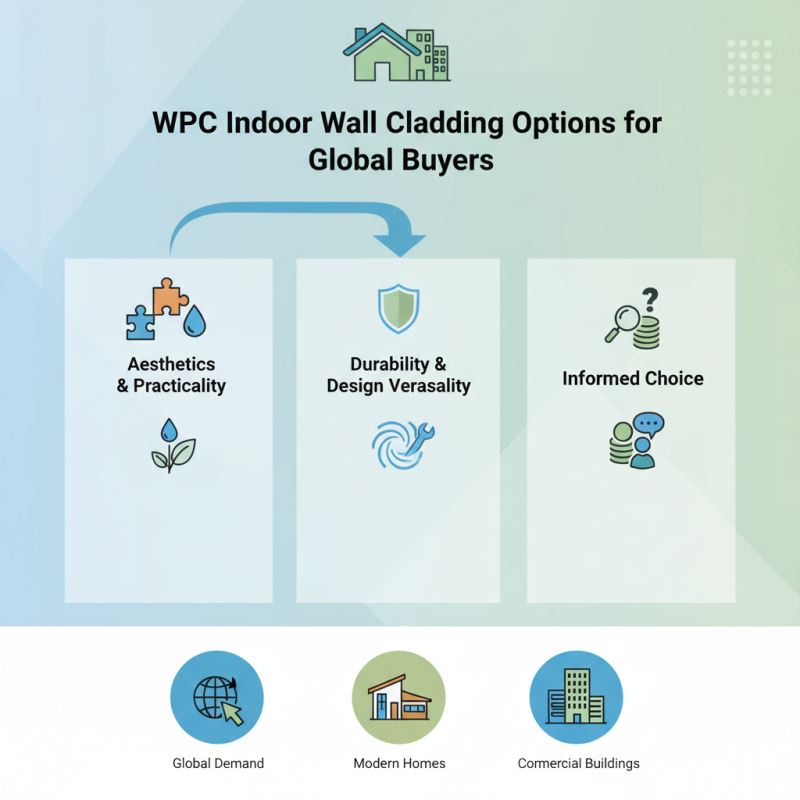
In the rapidly evolving world of interior design, **WPC Indoor Wall Cladding** has gained significant traction. This innovative material blends aesthetics with practicality, making it a popular choice among global buyers. John Smith, a leading expert in building materials, states, "WPC offers durability and design versatility that traditional materials cannot match." His insights highlight the growing demand for solutions that meet both style and function in interior spaces.
WPC Indoor Wall Cladding is known for its resilience against moisture and wear. It is ideal for spaces requiring both beauty and robustness, like commercial buildings and modern homes. However, the market consists of various options, which might overwhelm buyers. Each product has its unique features, benefits, and price points. Understanding these elements is crucial for making an informed choice.
Mistakes can occur when selecting the wrong type of cladding. Not all WPC products provide the same level of quality or sustainability. Buyers should thoroughly research their options. They often face the dilemma of balancing cost, quality, and design. Engaging with industry experts and reviews can provide necessary insights, leading to better purchasing decisions.
Understanding WPC Indoor Wall Cladding: A Comprehensive Overview
WPC indoor wall cladding has gained attention for its durability and aesthetic appeal. Made from wood-plastic composites, it offers a unique blend of strength and lightweight characteristics. These panels can mimic natural wood and are available in various textures and colors. Their versatility allows for creative designs in residential and commercial spaces.
One important aspect of WPC cladding is its resistance to moisture and pests. These materials do not warp or rot, making them ideal for humid environments. However, not all WPC options are created equal. Buyers should carefully assess specifications and manufacturing processes. Choosing low-quality materials might lead to issues like fading or cracking over time.
Installation of WPC cladding can be simple but requires precision. Alignment problems could create gaps affecting appearance. Using the right tools greatly improves the process. Reflections on past projects can highlight areas for improvement in future installations. It’s essential to research fully before making decisions. Consideration of local climate conditions is also crucial as it impacts material performance.
Advantages of WPC Wall Cladding in Indoor Settings for Global Buyers
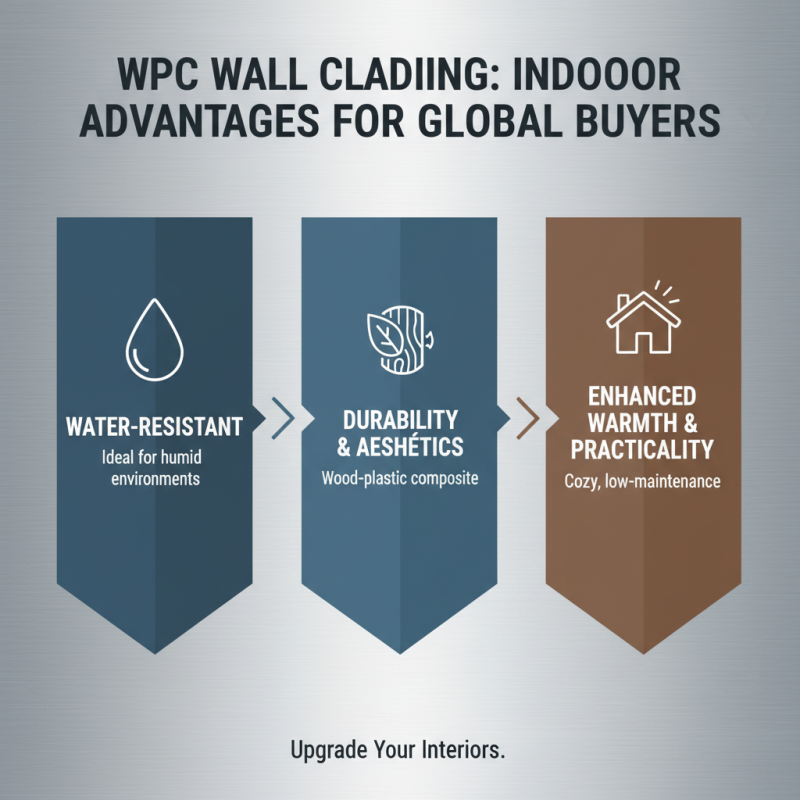
WPC wall cladding is gaining popularity in indoor settings. It combines wood and plastic, providing durability and aesthetic appeal. This material is water-resistant, making it ideal for humid environments. Adding WPC cladding can enhance the warmth of a space without compromising on practicality.
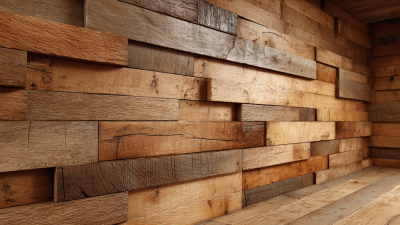
The versatility of WPC allows for various designs and colors. For a modern look, sleek finishes work well. Rustic textures can create a cozy atmosphere in home interiors. Moreover, installation is generally straightforward, attracting DIY enthusiasts. However, selecting the right thickness is essential. Thinner panels might not provide the desired sturdiness.
Maintenance is another aspect to consider. WPC cladding is low-maintenance compared to traditional wood. A simple wipe-down is enough to keep it looking fresh. Yet, it’s important to avoid harsh chemicals. This could affect the surface over time. Despite its many benefits, buyers should assess their specific needs and conditions before choosing WPC.
Top Global Suppliers of WPC Indoor Wall Cladding: A Comparative Analysis
When considering WPC (Wood Plastic Composite) indoor wall cladding options, it is essential to examine leading global suppliers. Recent industry reports indicate that the WPC market is projected to grow at a CAGR of 12.2% from 2021 to 2026. This interest stems from WPC's durability, aesthetic appeal, and ease of installation.
A comparative analysis of top suppliers reveals varied offerings. Some specialize in eco-friendly materials, while others focus on luxury designs. The environmental impact is significant. The use of recycled plastics and wood fibers makes WPC an attractive choice for sustainability-conscious buyers. However, quality can vary widely. Some products may not meet performance expectations.
Tips: When selecting WPC wall cladding, assess the supplier's certifications. Look for those with an ISO standard. Also, consider long-term warranties. An unreliable product can result in higher costs due to maintenance and replacements.
It's essential to weigh the characteristics of your space. Some WPC products may not perform well in humid conditions. Regularly reviewing supplier feedback and industry trends can enhance decision-making. Aim for choices that blend style with functionality, ensuring long-lasting results.
Key Factors to Consider When Selecting WPC Cladding for Interiors
When considering WPC indoor wall cladding, it’s essential to prioritize key factors for a satisfying selection. One vital factor is material durability. Indoor environments can vary in humidity and temperature. High-quality WPC options often resist warping and mold, ensuring a long-lasting appearance. Buyers should assess how different materials perform over time, especially in lively spaces.
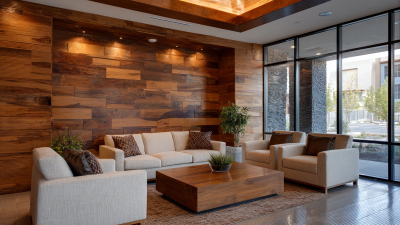
Aesthetic appeal is also crucial. WPC cladding comes in diverse colors and finishes, fitting various interior designs. Imagine a sleek, modern finish or a rustic look—both available in WPC. However, it’s important to research the visual impact of each option. Some finishes may fade or become scratched more easily than others. Make sure to weigh these aesthetic aspects against potential maintenance needs.
Finally, sustainability is gaining traction among buyers. Opt for WPC products that use recycled materials. This choice not only supports the environment but can also influence your project’s overall appeal. Still, transparency in sourcing is essential. Lack of clear information might indicate poorer quality. Engage with manufacturers who provide insights into their production processes and material origins to ensure you make a responsible choice.
Best WPC Indoor Wall Cladding Options for Global Buyers
| Cladding Type |
Material Composition |
Thickness (mm) |
Fire Rating |
Water Resistance |
Eco-Friendliness |
| Classic Wood Finish |
Wood Polymer Composite |
12 |
Class B |
Excellent |
Recyclable Materials |
| Textured Paneling |
High-Density WPC |
10 |
Class A |
Good |
Sustainable Sourcing |
| Glossy Finish Panels |
WPC with Acrylic Coating |
15 |
Class B |
Moderate |
Low Emission |
| Natural Stone Effect |
Stone-Plastic Composite |
20 |
Class A |
Excellent |
100% Recyclable |
| Acoustic Panels |
WPC with Sound Absorption |
25 |
Class B |
Good |
Eco-Friendly |
Sustainability and Maintenance of WPC Indoor Wall Cladding Options
WPC (Wood Plastic Composite) indoor wall cladding options present a compelling choice for environmentally conscious buyers. These materials blend recycled wood fibers and plastic, making them sustainable. They can be designed to look like natural wood while still being easy to maintain. A simple wipe can keep them looking fresh and new.
These wall cladding options also resist moisture, making them suitable for a variety of indoor spaces. Their thermal insulation properties can slightly reduce energy costs. However, some users may note that colors can fade over time, which requires periodic updates. Choosing high-quality materials can help mitigate this issue.
While WPC products are durable, they are not entirely impervious to wear. Scratches and dents can occur, especially in high-traffic areas. Regular inspection and occasional maintenance can enhance their lifespan. Overall, WPC wall cladding is a practical and eco-friendly choice, though it is essential to understand its limitations and plan accordingly for upkeep.