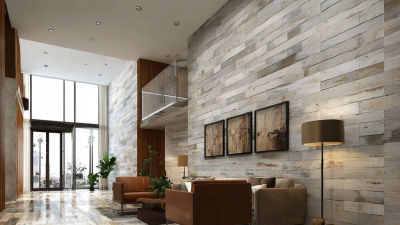
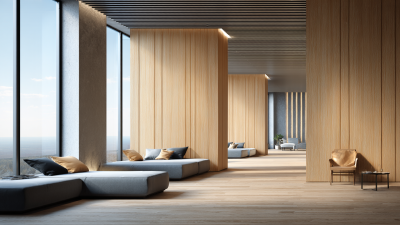
How to Choose the Best Bamboo Wood Wall Panels for Your Home Decor
In the realm of home decor, bamboo wood wall panels have gained significant popularity for their aesthetic appeal and ecological benefits. As leading interior designer, Emma Green, aptly states, "Choosing the right bamboo wood wall panels can transform a space into a harmonious blend of nature and elegance." The natural beauty and versatility of bamboo allow homeowners to infuse their living spaces with warmth and sustainability.
When selecting bamboo wood wall panels, it's crucial to consider factors such as color, texture, and finish, as these elements can greatly influence the overall ambiance of a room. Whether you're aiming for a serene, minimalist look or a vibrant, eclectic style, the right bamboo wood wall panels can serve as a stunning focal point, enhancing both modern and traditional decor themes.
As the demand for eco-friendly materials continues to rise, bamboo stands out not only for its durability and strength but also for its rapid renewability, making it an excellent choice for environmentally conscious consumers. Understanding the nuances of this remarkable material will empower homeowners to make informed decisions that reflect their unique style while promoting sustainability in their home decor.
Understanding the Benefits of Bamboo Wood Wall Panels in Home Decor
Bamboo wood wall panels have gained popularity in home decor due to their unique aesthetic appeal and environmental benefits. According to a report by the International Network for Bamboo and Rattan, bamboo is one of the fastest-growing plants in the world, capable of growing up to three feet a day. This rapid growth not only makes it a sustainable choice but also results in lower carbon emissions compared to traditional hardwoods, positioning bamboo as an eco-friendly alternative for modern interiors.
In addition to their sustainability, bamboo wall panels offer durability and versatility in design. A study conducted by the Forest Products Laboratory shows that bamboo's tensile strength is higher than that of steel, making it an excellent material for both structural stability and decorative purposes. Homeowners can choose from various finishes and patterns, allowing for customization that suits different styles, from rustic to contemporary. The natural qualities of bamboo also contribute to improved indoor air quality by absorbing toxins and releasing oxygen, making it a healthy choice for living spaces.
Identifying Different Types of Bamboo Wood Wall Panels Available
When it comes to enhancing your home decor, choosing the right bamboo wood wall panels can make a significant difference. Bamboo panels are not only aesthetically pleasing but also offer durability and sustainability. The first step in selecting the best panels involves identifying the types available in the market. Generally, bamboo panels are categorized into several types: strand-woven, solid, and laminated. According to a report by the International Bamboo and Rattan Organization, strand-woven bamboo has gained traction for its exceptional hardness, making it an excellent choice for high-traffic areas.
In addition to understanding the types, it's crucial to consider the finish and treatment of the bamboo panels. For instance, natural, carbonized, and stained finishes can drastically change the look and feel of a room. The U.S. Green Building Council reports that using sustainably sourced bamboo can contribute to LEED certification, an indication of eco-friendly building practices. This not only emphasizes the importance of type and finish but also highlights bamboo's growing popularity as an environmentally responsible material in home decor.
How to Choose the Best Bamboo Wood Wall Panels for Your Home Decor
| Type of Bamboo |
Style |
Thickness |
Finish |
Sustainability Rating |
| Moso Bamboo |
Natural |
1/2 inch |
Unfinished |
A+ |
| Strand Woven Bamboo |
Textured |
3/8 inch |
Sanded |
A++ |
| Carbonized Bamboo |
Dark |
5/8 inch |
Semi-gloss |
A |
| Vertical Bamboo |
Linear |
3/4 inch |
Matte |
A+ |
| Horizontal Bamboo |
Bold |
1 inch |
High-gloss |
A++ |
Evaluating the Quality and Sustainability of Bamboo Wood Products
When selecting bamboo wood wall panels for home decor, it's crucial to evaluate their quality and sustainability. Bamboo is often touted as an eco-friendly material due to its rapid growth rate, reaching maturity in just three to five years, unlike traditional hardwoods that can take decades. According to a report by the Forest Stewardship Council, bamboo can sequester up to 30% more carbon than equivalent stands of hardwood, highlighting its role in mitigating climate change when harvested responsibly.
In addition to its sustainable growth, the quality of bamboo products can vary significantly. Look for certifications like the Bamboo Standards Certification or the Global Organic Textile Standard (GOTS), which can provide assurance regarding both environmental impact and production practices. A 2022 industry report indicated that sustainably sourced bamboo has a 40% lower environmental footprint compared to conventional wood products, making it a wise choice for conscientious consumers. Investing in high-quality bamboo wall panels not only enhances the aesthetic of your home but also contributes positively to global sustainability efforts.
Tips for Selecting the Right Color and Texture for Your Space
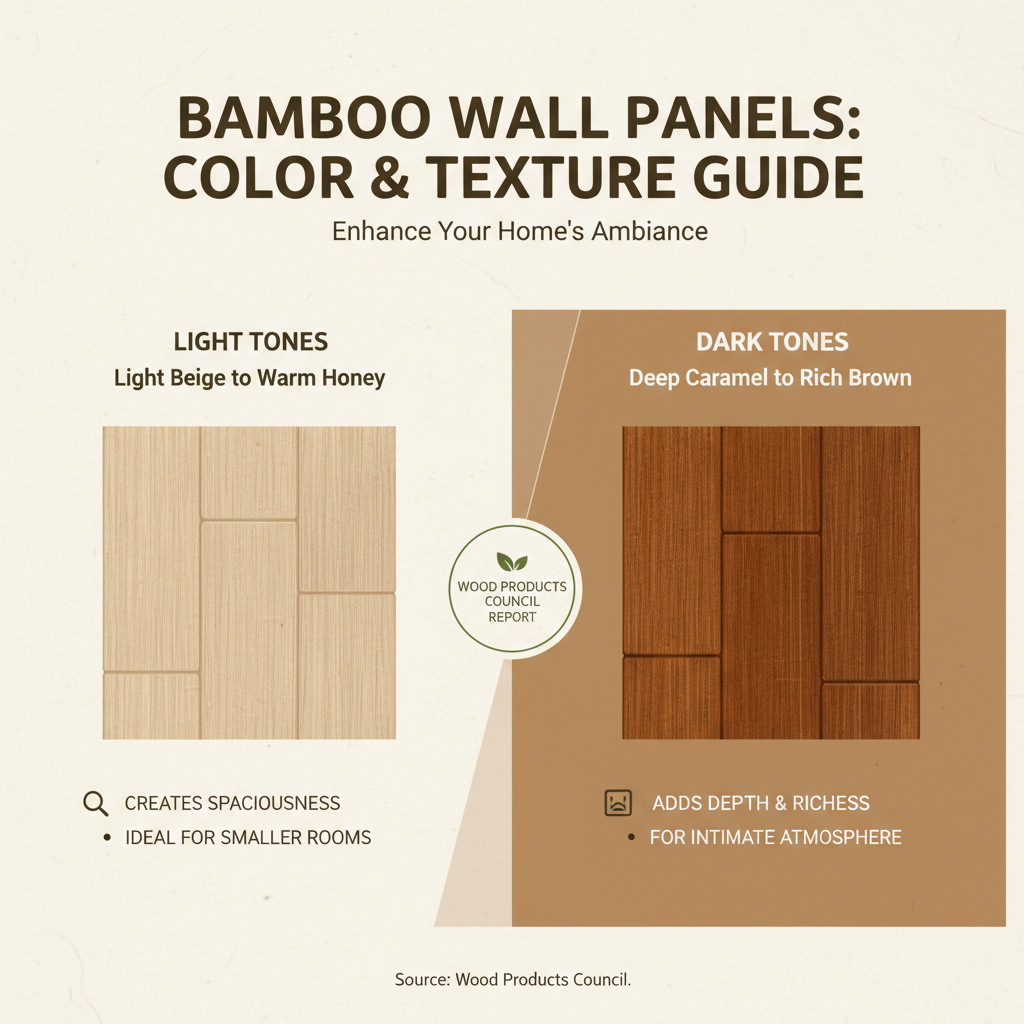
When selecting bamboo wood wall panels for your home decor, the color and texture play a crucial role in achieving the desired aesthetic. According to a report by the Wood Products Council, the warmth of bamboo's natural tones, which range from light beige to deep caramel, can significantly enhance a room's ambiance. Light-colored panels can create a sense of spaciousness, making them ideal for smaller rooms, while darker shades add depth and richness, contributing to a more intimate atmosphere.
Texture, on the other hand, is equally important to complement the chosen color. Smooth finishes impart a modern and sleek look, fitting well in contemporary spaces. Conversely, textured panels, like those with a hand-scraped finish, bring an element of rustic charm, appealing to the growing trend of biophilic design. A survey conducted by the National Kitchen and Bath Association indicated that 45% of homeowners prefer natural, textured surfaces in their interiors. By thoughtfully pairing the right color and texture of bamboo wall panels, you can not only elevate your home’s decor but also create an inviting and balanced environment.
Installation and Maintenance Considerations for Bamboo Wall Panels
When considering bamboo wall panels for your home decor, installation and maintenance are key factors that can greatly affect the long-term enjoyment of your choice. Firstly, it's essential to prepare your walls properly to ensure a smooth installation process. Make sure to clean the surface and repair any imperfections before applying adhesive or nails. Bamboo panels can be installed either horizontally or vertically, depending on your design preference, but it’s important to keep in mind the room’s dimensions and the flow of natural light to enhance the aesthetic appeal.
Maintenance of bamboo wall panels is relatively straightforward but requires attention to detail to maintain their beauty and durability. Regular dusting with a soft cloth will help prevent the buildup of dirt and allergens. Additionally, using a damp cloth with mild soap can clean stains without damaging the wood’s finish. It's crucial to avoid harsh chemicals or abrasive cleaners, as they can compromise the natural fibers of the bamboo. Finally, consider applying a protective sealant every few years to enhance water resistance and preserve the vibrant color of the panels, ensuring they remain a stunning element of your home for years to come.