How to Choose the Best Wall Panel Board for Your Home Renovation Needs
When embarking on a home renovation project, one of the most critical decisions revolves around the selection of the right Wall Panel Board. This choice not only impacts the aesthetic quality of your space but also influences factors such as durability and maintenance. As renowned interior designer Sarah Thompson aptly stated, "The right Wall Panel Board can transform an ordinary room into an extraordinary one, setting the tone for the entire home."
With a myriad of options available, from texture to material and style, homeowners often find themselves overwhelmed. Understanding the different types of Wall Panel Boards, including their advantages and disadvantages, is essential for making an informed decision. In this guide, we will explore key considerations to help you select the perfect Wall Panel Board that aligns with your renovation goals and enhances your living environment. Whether you seek a modern, minimalist look or a more traditional aesthetic, the right wall paneling can elevate your home’s interior while reflecting your personal style.
Understanding the Different Types of Wall Panel Boards Available
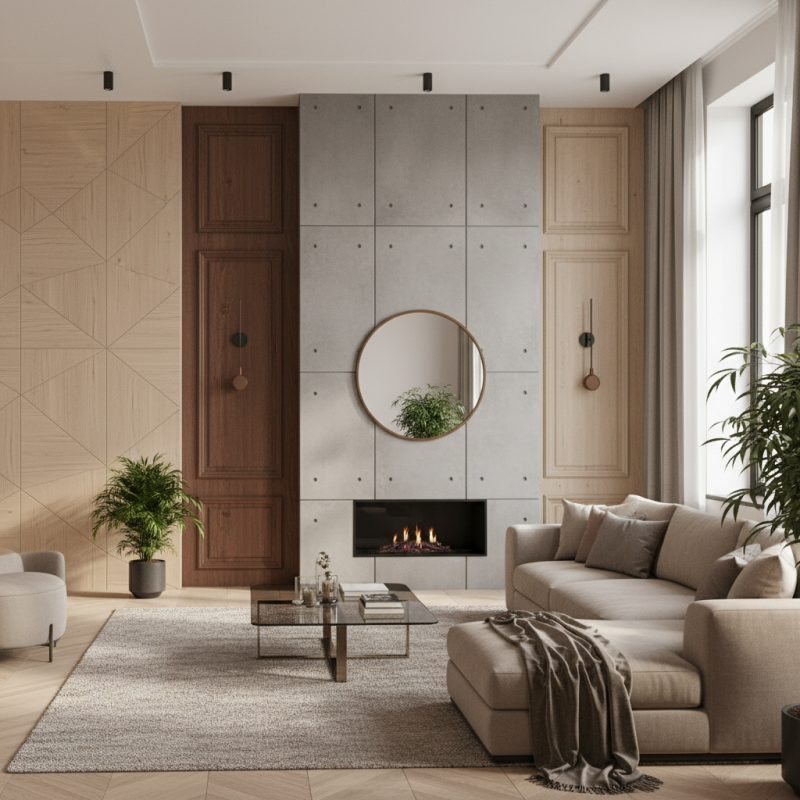
When choosing wall panel boards for your home renovation, it's essential to understand the different types available in the market. Wall panel boards come in various materials, including wood, MDF, PVC, and metal, each offering unique benefits. According to a recent industry report, the wood paneling segment accounts for approximately 45% of the wall panel market due to its classic appeal and insulation properties. On the other hand, eco-friendly options like recycled materials are gaining popularity, particularly among environmentally conscious consumers.
When it comes to functionality, consider how each type of wall panel board fits your specific needs. For instance, if you're renovating a high-moisture area, such as a bathroom or kitchen, PVC panels are an excellent choice due to their moisture-resistant qualities. Reports indicate that PVC wall panels can reduce maintenance costs by up to 50% compared to traditional materials. Meanwhile, metal panels are ideal for modern interiors and commercial spaces, offering durability and a sleek aesthetic.
**Tips:** When selecting wall panel boards, consider factors like insulation, durability, and ease of installation. Ensure that the design complements your overall décor and provides the functionality you need. Additionally, always check the environmental impact of the materials used; opting for sustainable options can contribute to a healthier home and planet.
Evaluating the Durability and Maintenance Requirements of Wall Panels
When selecting wall panel boards for home renovations, understanding their durability and maintenance requirements is paramount. A recent industry report highlighted that wall panels made from high-density fiberboard (HDF) and plywood tend to have superior durability compared to traditional drywall. HDF panels, in particular, are reported to withstand impacts and moisture better, making them ideal for high-traffic areas and spaces prone to humidity. According to research from the Building Materials Association, up to 60% of homeowners prefer wall covering materials that promise longevity and minimal upkeep, indicating a clear trend toward more resilient options.
In terms of maintenance, some wall panels necessitate only periodic cleaning with mild soap and water, while others may require specialized products to maintain their finish. For instance, vinyl panels are highly resistant to stains and do not need painting, which can save homeowners significant time and money over the years. The same report noted that properties equipped with low-maintenance wall panels could reduce upkeep costs by an estimated 30% compared to traditional materials. Therefore, when evaluating wall panel options for your renovation, consider both the lifespan and the level of care each material requires to ensure that your investment is both practical and aesthetic.
How to Choose the Best Wall Panel Board for Your Home Renovation Needs - Evaluating the Durability and Maintenance Requirements of Wall Panels
| Panel Type |
Durability Rating |
Maintenance Requirements |
Water Resistance |
Estimated Lifespan |
| MDF Panels |
Moderate |
Regular dusting and occasional paint touch-ups |
Low |
10-15 years |
| Plywood Panels |
High |
Simple cleaning and sealing every few years |
Moderate |
15-20 years |
| Vinyl Panels |
Very High |
Occasional washing with soap |
High |
20-30 years |
| Gypsum Board |
Moderate |
Periodic repainting and repair of dents |
Low |
15 years |
| Particle Board |
Low |
Frequent cleaning; prone to damage |
Low |
5-10 years |
Considering Aesthetic and Design Options for Your Wall Panels
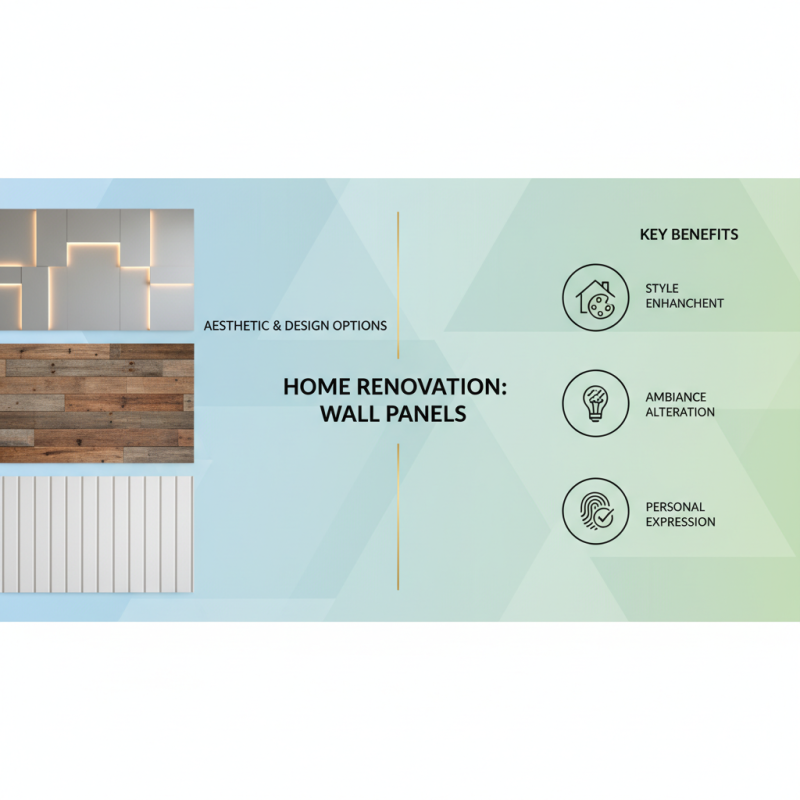
When selecting wall panels for your home renovation, one of the key factors to consider is the aesthetic and design options available. Wall panels serve not only a functional role but also act as a significant design element that can dramatically alter the look and feel of a space. From contemporary sleek finishes to rustic wood textures, the variety of materials and styles offer endless possibilities for customization. Choosing the right finish, color, and pattern can enhance the overall ambiance of your rooms, making them more inviting and expressive of your personal taste.
In addition to material choices, the layout and installation method can further influence the aesthetic appeal of wall panels. Horizontal vs. vertical installations can create different visual effects, impacting how spacious or cozy a room feels. Furthermore, incorporating decorative elements like moldings or accent lighting can elevate the design. When considering placement, think about how the panels will interact with other décor in the space, ensuring a harmonious blend that complements furniture, artwork, and flooring. Ultimately, the key lies in balancing functionality with visual interest to achieve a cohesive look that reflects your style preferences.
Assessing Cost and Budget Implications for Wall Panel Choices
When planning a home renovation that includes wall paneling, a critical factor to consider is the cost and budget implications associated with various panel options. According to a recent report by the Remodeling Magazine, the average cost of wall panel installation ranges from $800 to $2,500, depending on the material and square footage. Traditional materials like wood and drywall generally offer a lower upfront cost, but may require additional expenses for maintenance and treatments, which can accumulate over time. In contrast, composite or vinyl options, while initially more expensive, often boast durability and lower long-term costs due to their minimal upkeep requirements.
Budgeting for wall panels also involves considering the aesthetic and functional needs of your space. A study by the National Association of Home Builders highlights that homeowners are increasingly opting for specialty panels, such as acoustic or moisture-resistant panels, for specific applications. While these options might incur a higher initial cost—ranging from $3 to $8 per square foot—they can enhance the comfort and functionality of your living space. It is essential to evaluate not only the initial investment but also the lifespan and operational costs, allowing for a well-rounded and financially sound decision for your home renovation project.
Identifying Installation Requirements and Professional Help Needed
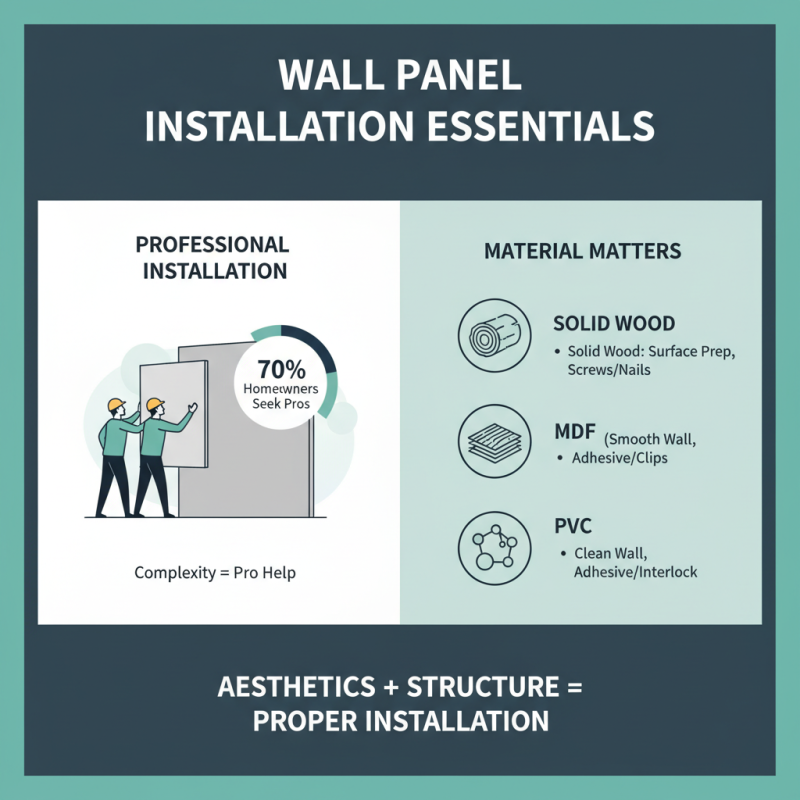
When considering wall panel boards for your home renovation, understanding the installation requirements is essential. According to a report by the National Association of Home Builders, nearly 70% of homeowners seek professional assistance for wall panel installations, due to the complexities involved. Proper installation is critical not only for aesthetic purposes but also for ensuring structural integrity. Whether opting for solid wood, MDF, or PVC panels, each material has unique installation needs ranging from surface preparation to the type of adhesive or fasteners required.
Additionally, consulting with professionals can help streamline the renovation process. The Joint Center for Housing Studies of Harvard University indicates that homeowners who hire skilled contractors are typically more satisfied with both the finished product and the overall efficiency of the project. Professionals not only bring expertise in alignment and layout but also help navigate local building codes and regulations, which can vary widely. This ensures that your wall panel installation is compliant and avoids potential setbacks that could arise from DIY attempts. Engaging directly with experts can also lead to insights on material selection tailored to your specific space and budget.