How to Choose WPC Wall Panels for Your Interior Design in 2025
As we move further into 2025, the interior design landscape is evolving, with a notable shift towards sustainable and innovative materials that not only enhance aesthetics but also improve functionality. One such material gaining traction is the WPC wall panel interior. According to a report by Research and Markets, the global WPC market is expected to grow at a CAGR of 12.3% from 2021 to 2026, driven by increasing consumer awareness about eco-friendly products and advancements in manufacturing technologies. These panels, made from a composite of wood and plastic, offer a cost-effective solution without compromising on design or durability.
Choosing the right WPC wall panel interior requires an understanding of various factors, including texture, color, and moisture resistance. A study by Grand View Research highlighted that the interior applications of WPC are anticipated to account for a significant share of the market, particularly within the residential and commercial sectors due to their versatility and low maintenance requirements. As designers and homeowners seek to create spaces that reflect their personal style while remaining practical, WPC wall panels provide an ideal choice that aligns with current trends in sustainability and design innovation.
Understanding WPC Wall Panels: Definition and Benefits
WPC (Wood Plastic Composite) wall panels are an innovative and sustainable material that combines the aesthetic appeal of wood with the durability of plastic. Defined as a composite material consisting of wood fibers and thermoplastics, WPC wall panels have gained popularity in interior design due to their versatility and high-performance characteristics. According to a report by Research and Markets, the global WPC market is expected to reach approximately $9 billion by 2025, driven by a growing demand for eco-friendly materials in construction and renovation projects.
One of the key benefits of WPC wall panels is their resistance to moisture and pests, making them an ideal choice for various climates and environments. Unlike traditional wood, WPC is less susceptible to warping, splintering, or rotting, which enhances its longevity and reduces maintenance costs for homeowners. Additionally, WPC panels are available in a wide range of colors and finishes, providing designers with the flexibility to create customized looks that align with contemporary aesthetics. A study from Smithers Pira highlights that the composite material's carbon footprint can be 30-40% lower than that of traditional building materials, emphasizing its role in promoting sustainable building practices.
In summary, WPC wall panels not only offer aesthetic value and durability but also present a greener alternative for modern interior design. With the projected growth in the WPC market and its increasing adoption in various projects, understanding their benefits becomes essential for those interested in creating stylish and sustainable living spaces in 2025.
WPC Wall Panels Popularity and Benefits in 2025
Factors to Consider When Selecting WPC Wall Panels for Interiors
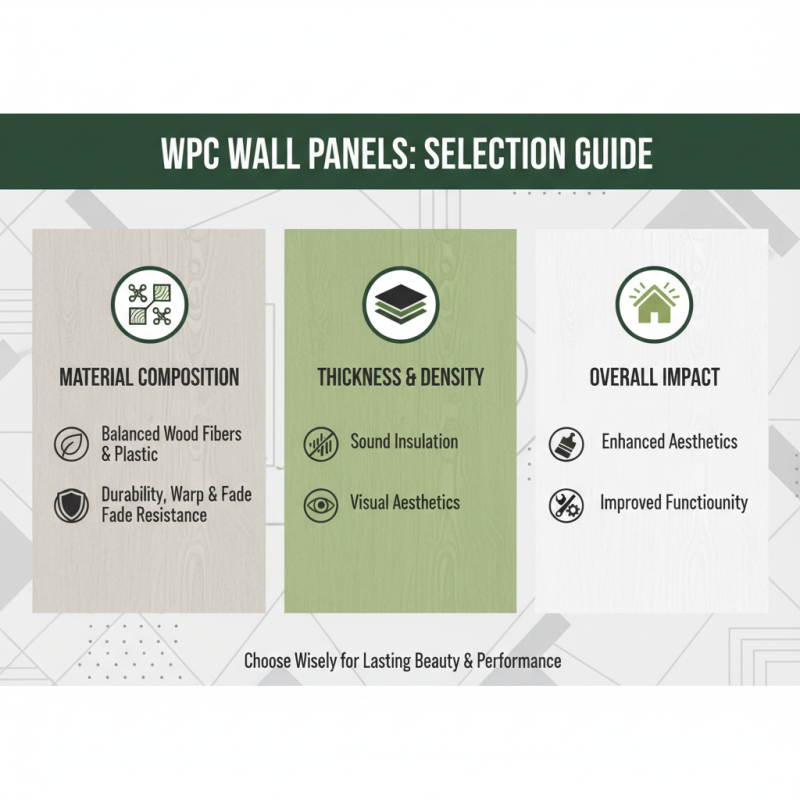
When selecting WPC (Wood-Plastic Composite) wall panels for your interior design, there are several crucial factors to consider that can significantly impact the overall aesthetics and functionality of your space. First, the material composition of the WPC panels is vital; they should contain a balanced mix of wood fibers and plastic to ensure durability and resistance to warping or fading over time. Additionally, consider the panel thickness and density, which can influence both the sound insulation properties and the visual appeal of the walls.
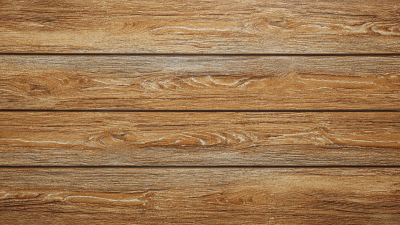
Another important factor is the design and color options available. WPC wall panels come in various textures and finishes, mimicking natural materials like wood or stone. This versatility allows you to achieve a customized look that complements your interior theme. Furthermore, practicality should not be overlooked—look for panels that are easy to clean and maintain, as this will contribute to the long-term upkeep of your space. Finally, think about the environmental impact; selecting panels made from recycled materials can enhance sustainability and resonate with eco-conscious design choices.
Design Styles Compatible with WPC Wall Panels
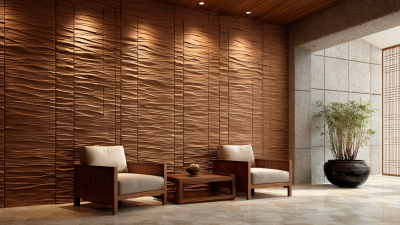
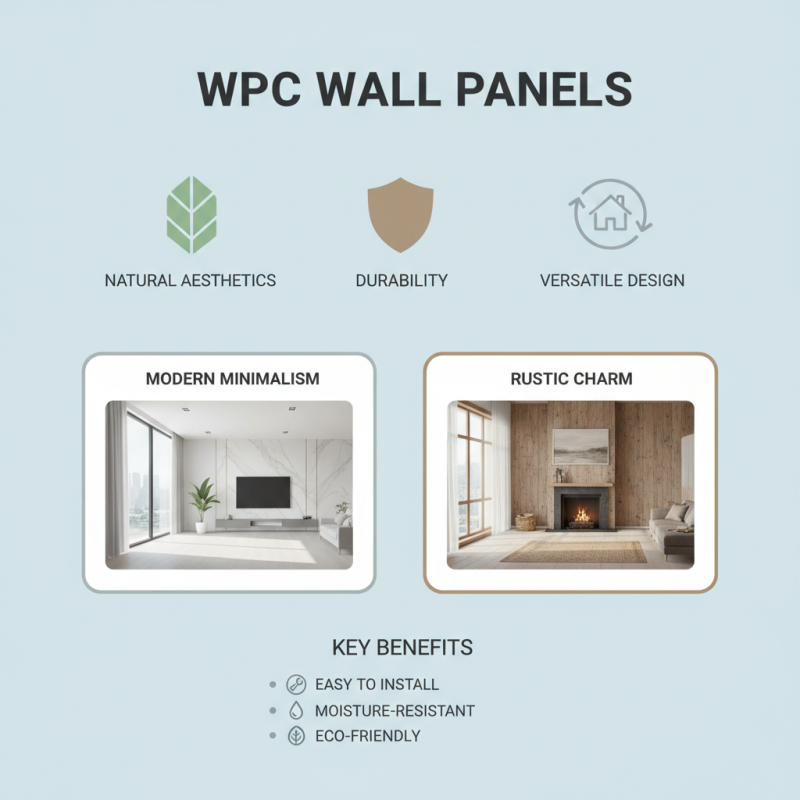
When selecting WPC wall panels for your interior design, it's essential to consider the design styles they complement. WPC, or Wood Plastic Composite, brings a unique blend of natural aesthetic and durability. This makes it a versatile choice for various styles, including modern minimalism and rustic charm. For a contemporary space, WPC panels can be used in sleek finishes and neutral colors, providing an attractive backdrop that enhances the airy feel of minimalistic designs. Their lightweight yet sturdy nature allows for creative applications, such as accent walls that add depth without overwhelming the space.
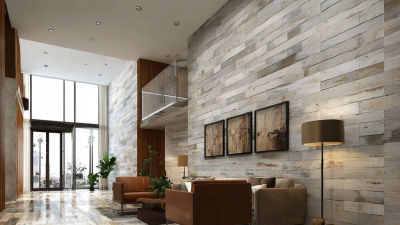
For those leaning towards a more traditional or rustic theme, WPC wall panels can mimic the look of natural wood, offering warmth and texture. This style is particularly effective in country-style homes or cabins, where a cozy ambiance is paramount. Pairing WPC panels with other natural materials, such as stone or brick, can create an inviting atmosphere that feels both modern and timeless. Additionally, accents like vintage lighting or artisanal decor can further enhance the rustic appeal while utilizing the advantages of WPC's low maintenance and long-lasting qualities.
Evaluating Durability and Maintenance of WPC Wall Panels
When selecting WPC (Wood-Plastic Composite) wall panels for interior design, evaluating their durability and maintenance is critical. WPC wall panels are known for their robust nature, combining the aesthetic appeal of wood with the resilience of plastic. This hybrid material offers significant resistance to moisture, which makes it particularly suitable for areas prone to humidity, such as bathrooms and kitchens.
When considering durability, look for panels that feature high-density construction, as these will withstand impacts and wear better over time, ensuring that your interior spaces remain pristine for years.
In terms of maintenance, WPC wall panels are low-maintenance compared to traditional wood panels. They do not require regular sealing or staining, which can be both time-consuming and costly. Simple cleaning with soap and water typically suffices to keep these panels looking fresh and vibrant. Furthermore, their resistance to pests, such as termites, adds to their longevity and reduces the need for chemical treatments. In essence, by choosing high-quality WPC wall panels, you ensure a balance of aesthetic appeal with practical durability and minimal maintenance, making them an ideal choice for contemporary interior designs in 2025.
Budgeting for WPC Wall Panels: Costs and Value Considerations
When budgeting for WPC (Wood-Plastic Composite) wall panels in 2025, it's essential to consider both the initial costs and the long-term value these materials bring to your interior design projects. According to a recent market analysis from Smithers Pira, the global WPC market is expected to grow at a CAGR of approximately 10% through 2025, significantly signaling a rising demand due to their durability and aesthetic appeal. The average cost of WPC wall panels generally ranges from $5 to $10 per square foot, depending on the texture, finish, and design intricacies you select.
However, focusing solely on initial costs could overlook the value these panels add over time. A report by Technavio highlights that WPC panels have a lifespan of around 25 years with minimal maintenance, which can lead to long-term savings on replacement and repairs. Additionally, their resistance to moisture, rot, and insects means lower upkeep expenses compared to traditional materials. This makes WPC wall panels not only a budget-friendly option initially but also a smart investment in enhancing the longevity and aesthetic of your interiors, ultimately resulting in a higher return on investment for property owners and designers alike.
How to Choose WPC Wall Panels for Your Interior Design in 2025 - Budgeting for WPC Wall Panels: Costs and Value Considerations
| Panel Type |
Average Cost per Square Foot |
Durability Rating (Years) |
Maintenance Level |
Environmental Rating |
Aesthetic Options |
| Standard WPC Panels |
$3.00 - $5.00 |
10 - 15 |
Low |
Sustainable |
Various colors and textures |
| Veneered WPC Panels |
$4.00 - $6.00 |
8 - 12 |
Medium |
Recyclable |
Natural wood appearance |
| Textured WPC Panels |
$5.00 - $7.00 |
12 - 20 |
Low |
Eco-friendly |
Unique patterns and designs |
| Custom WPC Panels |
$6.00 - $10.00 |
15 - 25 |
Variable |
Sustainable materials |
Tailored to specific designs |