How to Choose Wpc Wood Slat Panel for Your Next Project?
When embarking on a new project, the choice of materials is crucial. One popular option is the Wpc Wood Slat Panel, known for its durability and aesthetic appeal. Industry expert John Smith has emphasized its versatility, stating, “Wpc Wood Slat Panels can elevate any space while offering practical benefits.”
Selecting the right panel requires careful consideration. Factors such as the environment, installation process, and maintenance play vital roles. A project’s success often hinges on these materials. For instance, choosing a color that complements your design can enhance the overall look. However, not every option will be suitable for every project.
It’s easy to overlook the importance of proper installation or suitable applications. Many assume all panels perform similarly, but that’s not the case. Some materials may warp or fade over time, leading to frustrations. Reflecting on previous experiences can help illuminate these details. A thoughtful approach ensures that the Wpc Wood Slat Panel you select will meet your project's needs and long-term goals.
Understanding WPC Wood Slat Panels: Definition and Composition
WPC wood slat panels are gaining popularity in construction and design. WPC stands for wood-plastic composite. This material combines wood fibers with plastic polymers. The result is a durable, weather-resistant panel suitable for various applications. These panels can mimic the natural look of wood, yet require less maintenance.
Understanding the composition is key. WPC wood slat panels typically contain about 60-70% wood flour and 30-40% thermoplastics. The wood additive gives it a warm feel. Conversely, the plastic enhances its resilience against moisture and insects. However, the quality can vary significantly among manufacturers. Some panels may not hold up well over time.
Consider potential environmental impacts too. While many WPC panels claim to use recycled materials, not all are eco-friendly. Look for reliable certifications. Buying WPC panels on impulse could lead to regrets later. It’s wise to research options and question sustainability claims. Choosing the right product may require time and effort, but it's essential for your project’s longevity.
Comparative Analysis: WPC vs. Traditional Wood Slat Panels
When it comes to choosing between WPC and traditional wood slat panels, several factors need consideration.
WPC, or wood-plastic composite, offers a blend of plastic and wood fibers.
This combination makes it resistant to moisture, pests, and decay. On the other hand, traditional wood slats can provide an
authentic aesthetic but may require regular maintenance to prevent deterioration.
WPC panels are lighter and easier to handle. Their durability means fewer replacements over time. However, some users feel
WPC lacks the warmth and character of real wood. Different wood species possess unique
colors and grains. This natural variety is sometimes missed in WPC options. It's essential to weigh these aesthetic
preferences against practical benefits carefully.
Installation can also differ. WPC tends to be more straightforward due to its uniformity and lightweight nature. Traditional
wood, however, allows for more customizing in design and finish. Some may find it fulfilling to sand and stain wood,
but the process is time-consuming. Missteps during installation can lead to wasted materials. Both options have their
pros and cons, and your choice should reflect your priorities and project requirements.
Application Areas: Where to Use WPC Wood Slat Panels Effectively
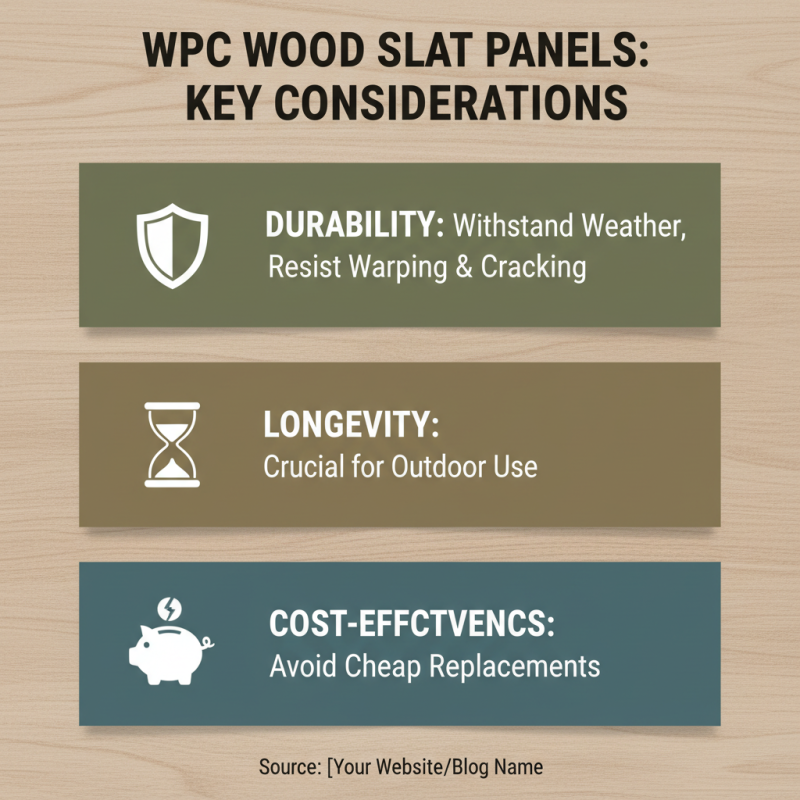
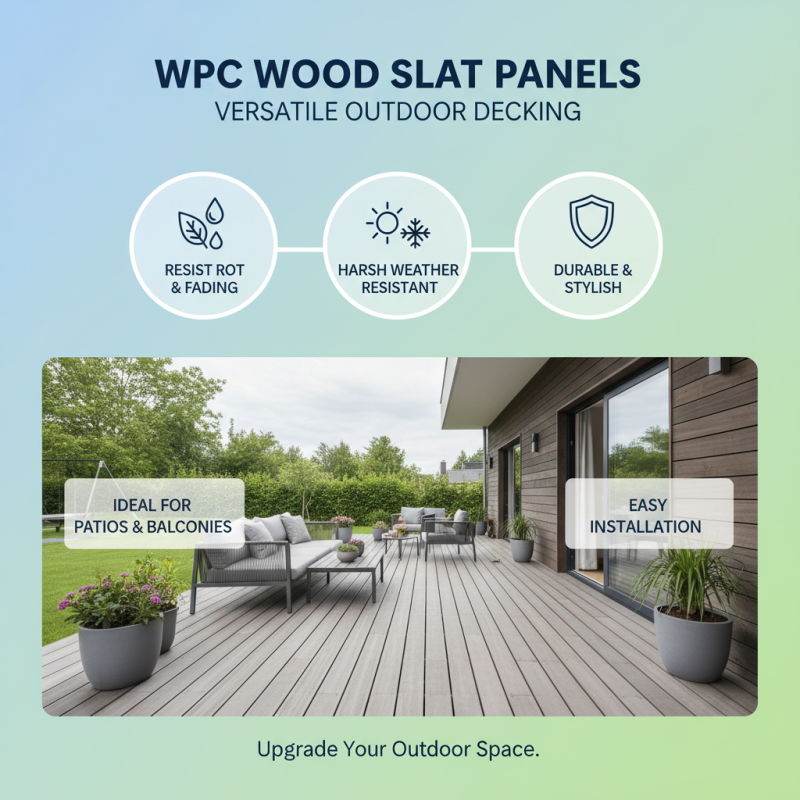
WPC wood slat panels are versatile. They can be used in many areas of a project. One popular application is outdoor decking. These panels provide durability and a stylish finish. They resist rot and fading, making them ideal for patios or balcony designs. This choice is especially beneficial in areas with harsh weather.
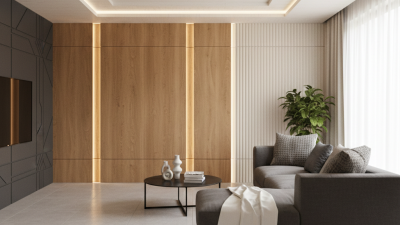
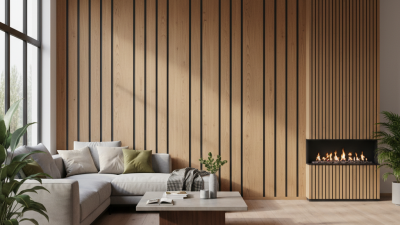
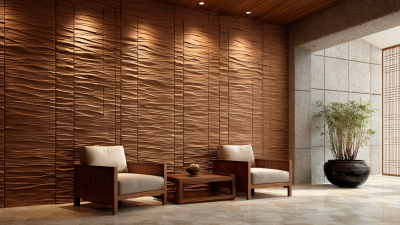
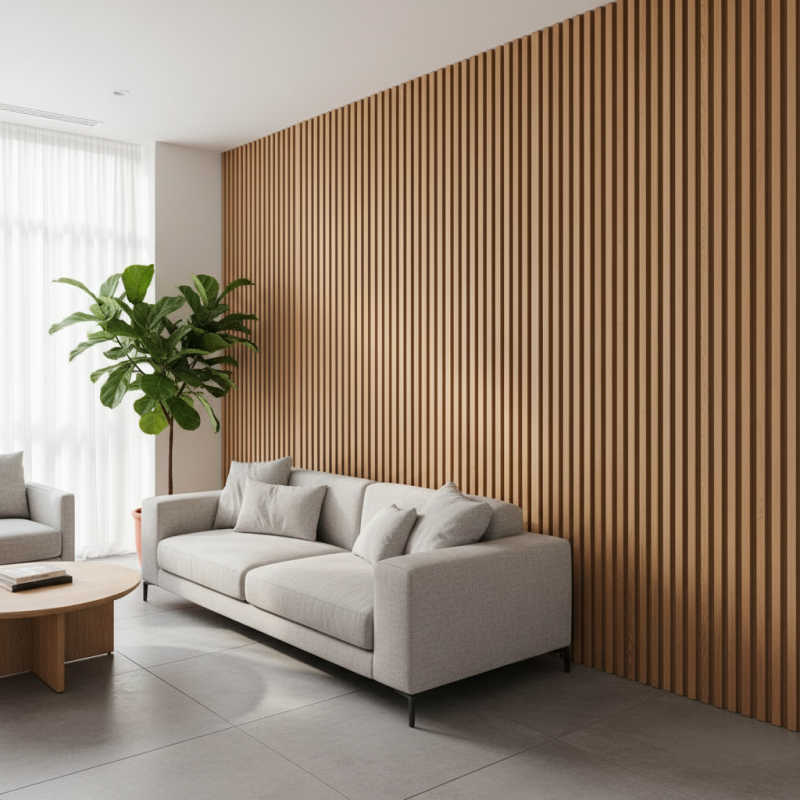
Another effective use is in interior spaces. WPC panels can serve as room dividers or feature walls. They add warmth and texture to a space. When paired with soft lighting, the effect is quite striking. However, consider the overall design. Not every room may benefit from wooden textures. It’s important to balance aesthetics with functionality.
Tips: When selecting WPC wood slat panels, measure your space carefully. Ensure the panels fit well within your design. Also, consider the color and finish. A poorly chosen hue can clash with existing decor. Experiment with samples before making a decision. Take your time. Overthinking can lead to regrets later.
Maintenance Tips for Long-Lasting WPC Wood Slat Panels
WPC wood slat panels are an attractive choice for various projects. To ensure they last, maintenance is key. Cleaning these panels regularly is essential. Use a soft brush or cloth to remove dirt and debris. Avoid harsh chemicals. A simple soap and water solution works best. This prevents any damage to the material over time.
Inspect the panels periodically. Look for signs of wear or fading. It's common for panels to lose their luster after exposure to the elements. If you notice discoloration, consider applying a UV protectant. It can help maintain the look and prolong the life of your panels.
While WPC is designed to withstand the elements, neglect can lead to issues. Make sure to handle them carefully during installation. Scratches and dents can occur, which might require touch-ups. Embrace the imperfections; they tell a story. Reflecting on maintenance practices can enhance your experience with WPC wood slat panels.
How to Choose WPC Wood Slat Panel for Your Next Project? - Maintenance Tips for Long-Lasting WPC Wood Slat Panels
| Dimension |
Material Type |
Color Options |
Durability |
Maintenance Tips |
| 6' x 6' |
Recycled Wood Plastic Composite |
Brown, Gray, Redwood |
15-25 Years |
Clean with mild soap, avoid harsh chemicals |
| 4' x 8' |
Composite with Wood Fiber |
Black, Light Gray, Teak |
20-30 Years |
Regular sealing recommended, avoid heavy impact |
| 8' x 10' |
Eco-Friendly WPC |
Natural, Vintage Grey |
25-35 Years |
Wash with water, avoid bleach, check for scratches |