2025 How to Choose Alternative Wood for Sustainable Home Improvement
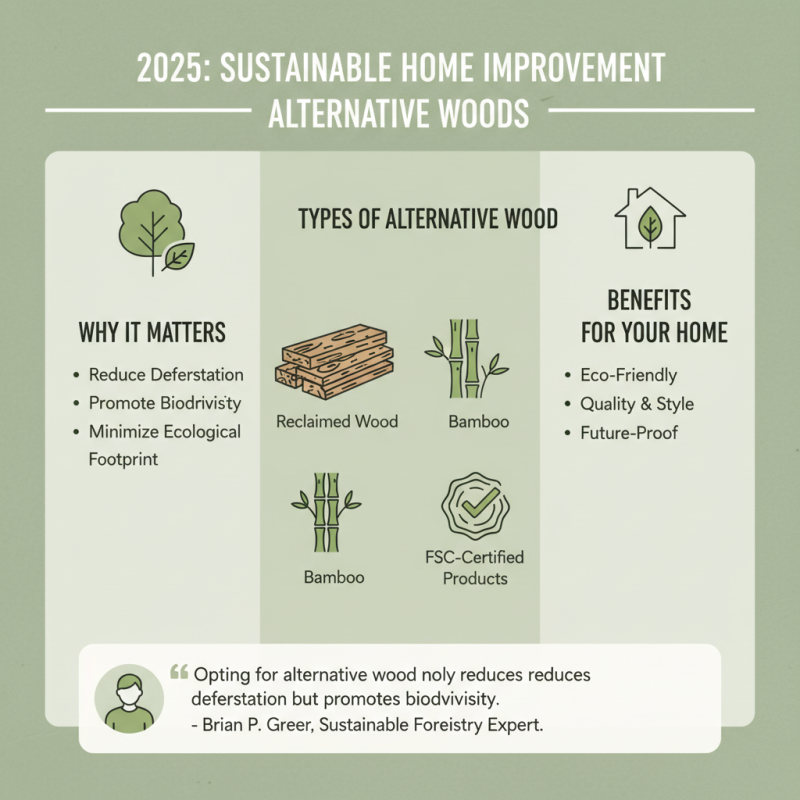
In the quest for sustainable home improvement, the choice of materials plays a crucial role. One of the most significant options homeowners and builders have is "Alternative Wood," a category that emphasizes source sustainability and environmental responsibility. According to Brian P. Greer, a leading expert in sustainable forestry, "Opting for alternative wood not only reduces deforestation but also promotes biodiversity by giving second chances to lesser-known tree species." As the world grapples with the effects of climate change and environmental degradation, the construction industry must evolve to incorporate materials that leave a minimal ecological footprint.
Alternative wood encompasses a wide range of materials, including reclaimed wood, bamboo, and FSC-certified products, each providing unique benefits and aesthetic appeal. By selecting alternative wood, homeowners can ensure that their building projects contribute to the conservation of forests while still maintaining quality and style. With experts in the field advocating for this shift, the importance of sustainable choices becomes increasingly clear, promoting practices that are not just good for the planet but also transform homes into models of environmental stewardship. In this guide, we explore how to make informed decisions about alternative wood, ensuring that every choice aligns with the goals of sustainability and elegance in home improvement.
Factors to Consider When Choosing Sustainable Alternative Wood Options
When considering sustainable alternative wood options for home improvement in 2025, several critical factors should guide your decision-making process. First and foremost, understanding the source of the wood is essential. Sustainable wood is typically derived from forests that are managed responsibly, ensuring the regeneration of trees and the preservation of the ecosystem. According to a report by the Forest Stewardship Council (FSC), sustainably sourced wood can reduce logging activities in protected areas, which is vital for maintaining biodiversity. Consumers should look for certifications such as FSC or Program for the Endorsement of Forest Certification (PEFC) to ensure they are choosing wood that meets rigorous sustainability standards.
Another crucial factor to consider is the wood's life cycle impact. This includes assessing the environmental footprint throughout its lifespan, from harvesting and manufacturing to transportation and end-of-life disposal. A study published in the Journal of Cleaner Production found that using reclaimed wood can significantly lower greenhouse gas emissions compared to new wood products—by as much as 75%. Furthermore, selecting engineered wood products, which utilize lower-quality materials and can be sourced sustainably, is another excellent strategy to optimize environmental benefits while maintaining structural integrity in home improvements. Prioritizing these aspects can contribute to a more sustainable living environment while meeting the aesthetic and functional needs of modern homes.
2025 How to Choose Alternative Wood for Sustainable Home Improvement - Factors to Consider When Choosing Sustainable Alternative Wood Options
| Wood Type |
Sustainability Rating |
Cost per Board Foot |
Durability |
Maintenance Requirements |
| Bamboo |
A |
$3.00 |
High |
Low |
| Cork |
A- |
$4.50 |
Medium |
Medium |
| Reclaimed Wood |
A+ |
$5.00 |
Very High |
Variable |
| Hemp Wood |
B+ |
$4.00 |
Medium |
Low |
| Lyptus |
B |
$3.50 |
High |
Medium |
Understanding the Environmental Impact of Conventional Lumber Usage
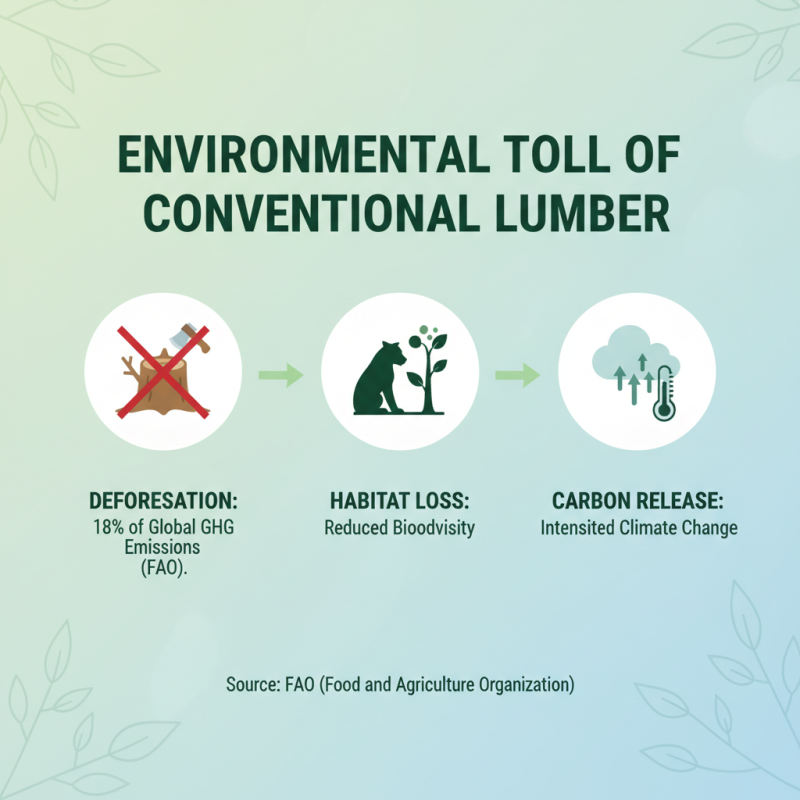
The usage of conventional lumber has significant environmental repercussions that cannot be ignored. In recent years, studies have shown that deforestation for timber production contributes to nearly 18% of global greenhouse gas emissions, according to the Food and Agriculture Organization (FAO). The clearing of forests not only disrupts local ecosystems but also diminishes biodiversity, as many species depend on these habitats for survival. Furthermore, the carbon sequestered in trees is released back into the atmosphere when wood is harvested, intensifying climate change impacts.
To counteract the detrimental effects of conventional lumber, many homeowners are now turning to alternative wood sources such as bamboo, reclaimed wood, and engineered wood products. Bamboo, for example, is a rapidly renewable resource that can grow up to three feet in just 24 hours, making it an attractive and sustainable option. Likewise, using reclaimed wood helps to reduce the demand for new lumber while preserving the integrity of existing forests.
Tips for making sustainable choices include conducting thorough research on the sourcing of materials. Look for certifications like the Forest Stewardship Council (FSC) label, which indicates responsible forest management practices. Additionally, consider the life cycle of the materials used in your home improvements—selecting products that are not only sustainable but also durable will minimize the need for future replacements and contribute to lower overall resource consumption.
Popular Types of Alternative Woods: Bamboo, Reclaimed Wood, and More
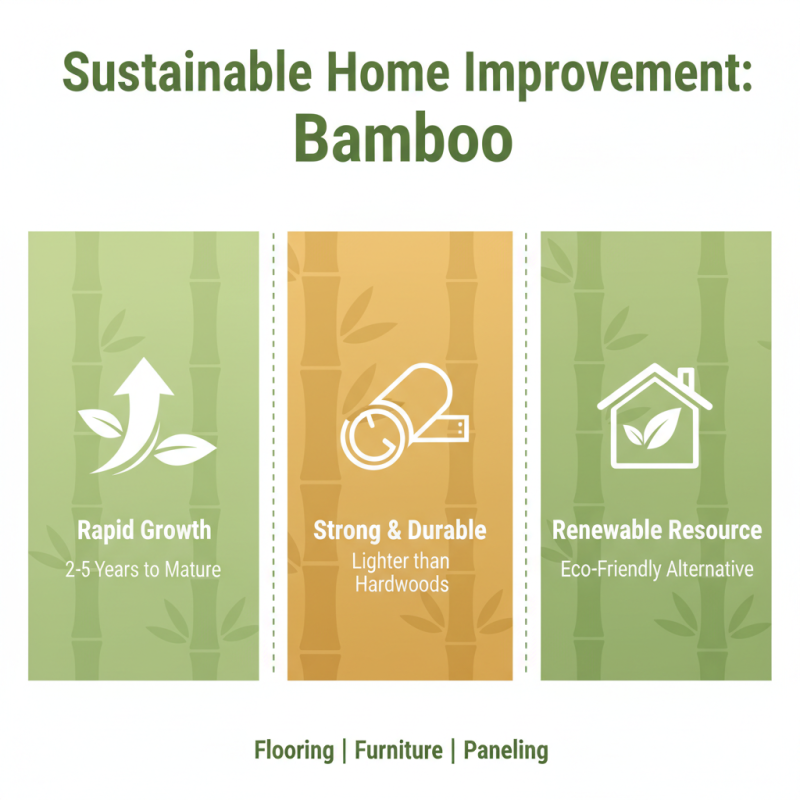
When considering alternative wood options for sustainable home improvement, bamboo stands out as a top choice. Known for its rapid growth and strong structural qualities, bamboo is a highly renewable resource. Unlike traditional hardwoods that can take decades to mature, bamboo can reach full height in just a few years, making it an environmentally friendly alternative. It is also lighter than most hardwoods, yet incredibly durable, which allows it to be used in a variety of applications, from flooring to furniture.
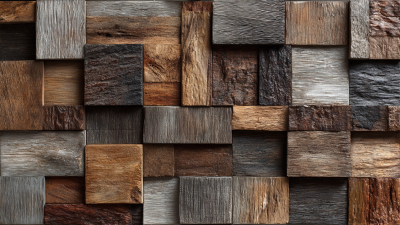
Reclaimed wood is another excellent alternative that offers both sustainability and aesthetic appeal. By repurposing timber from old structures, furniture, or packaging, reclaimed wood not only reduces waste but also gives a unique character to new projects. Each piece tells a story and adds a touch of history to home interiors. Additionally, reclaimed wood often undergoes a careful restoration process, ensuring its durability and suitability for modern homes while minimizing the environmental impact associated with harvesting new trees. The use of alternative woods like bamboo and reclaimed wood reflects a commitment to sustainable practices while enhancing the beauty and individuality of home improvements.
Evaluating Cost-Effectiveness and Longevity of Alternative Wood Materials
When it comes to selecting alternative wood materials for sustainable home improvement, it is crucial to evaluate both their cost-effectiveness and longevity. Alternative woods, such as bamboo, reclaimed wood, and engineered wood products, often provide superior durability while significantly reducing the environmental impact associated with traditional timber sourcing. By focusing on the lifecycle costs—initial investment, maintenance, and replacement—you can make informed decisions that align with your sustainability goals.
**Tips:** Consider the long-term benefits of your chosen material. For instance, while bamboo may come with a higher upfront cost, its rapid growth rate and resilience can lead to fewer replacements over time. Additionally, reclaimed wood not only reduces waste but also adds unique character to your home, often requiring minimal upkeep.
Another aspect to consider is the climate of your region. Some alternative woods perform better in specific environments. For example, engineered wood tends to resist warping and moisture damage, making it ideal for areas with high humidity. Assessing the durability of alternative wood materials against local weather conditions can contribute to greater longevity, ultimately providing better value over the years.
2025 How to Choose Alternative Wood for Sustainable Home Improvement
This chart evaluates the cost-effectiveness of various alternative wood materials suitable for sustainable home improvement. The prices are represented in USD per square foot, allowing homeowners to assess their options based on financial feasibility.
Best Practices for Sourcing and Utilizing Alternative Woods in Home Renovations
When considering home renovations, sourcing alternative woods can significantly contribute to sustainable practices while enhancing the aesthetics of your living space. Research indicates that conventional timber harvesting contributes to deforestation and ecological imbalance, with about 80% of the world’s forests at risk according to the Food and Agriculture Organization. In contrast, alternative woods, such as bamboo and reclaimed wood, offer sustainable options that can mitigate environmental impact. Bamboo, for example, is a renewable resource that can grow up to 39 inches in a single day and can be harvested every 3 to 5 years without damaging the root system.
Best practices for utilizing alternative woods involve thorough research and responsible sourcing strategies. The Forest Stewardship Council advocates for verifying that wood is certified and sustainably harvested, minimizing the carbon footprint associated with transportation. Additionally, utilizing local sources for reclaimed wood not only cuts down on emissions but also imparts unique character to renovations. Recent data from the U.S. Green Building Council highlights that buildings using sustainably sourced materials can reduce overall energy consumption by 30%, making them not only environmentally friendly but also economically viable. Embracing these practices not only promotes a healthier planet but also yields beautiful, durable results in home improvement projects.