How to Choose the Best WPC Cladding Wall Panels for Your Project?
Choosing the best WPC cladding wall panels for your project can be a daunting task. Industry expert Sarah Thompson emphasizes, "Selecting the right material is crucial for both aesthetics and durability." The world of WPC cladding offers a variety of options, blending wood and plastic to create panels that are both sustainable and stylish.
When considering WPC cladding wall panels, factors such as color, texture, and maintenance requirements are essential. Each project comes with unique challenges. What works for one space might not suit another. Potential buyers often overlook these details. It’s important to reflect on your specific needs and preferences.
A wise choice can enhance your building’s appearance and longevity. Different manufacturers offer distinct quality levels. Always research and compare products before making a decision. Though WPC cladding wall panels are known for their resilience, not every product is perfect. Some panels might show wear quicker than expected, highlighting the importance of thorough evaluation.
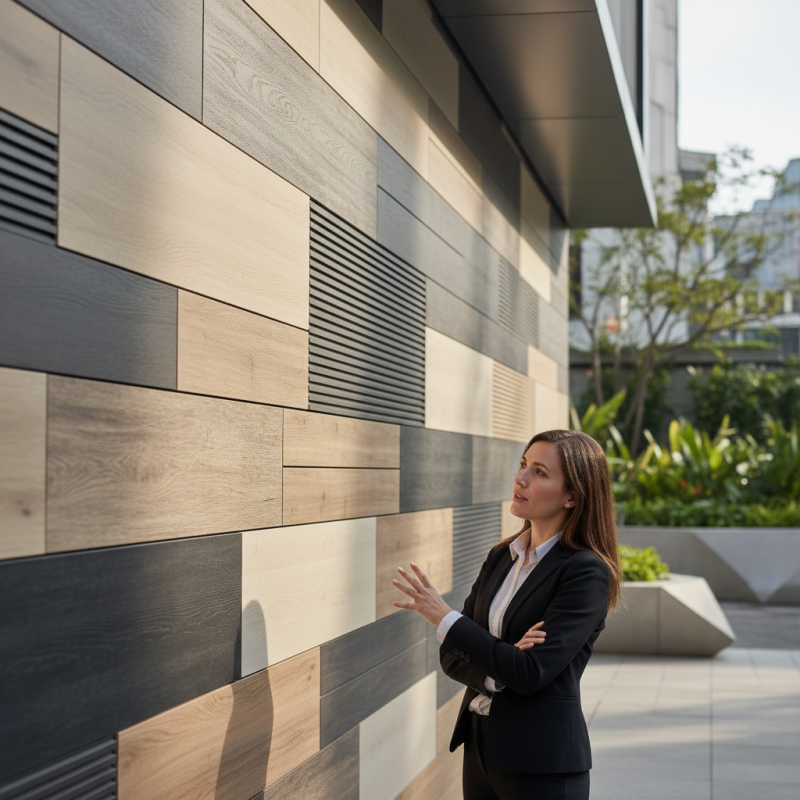
Understanding WPC Cladding: Definition and Benefits
WPC cladding, or Wood Plastic Composite cladding, combines wood fibers and plastic. This innovative material offers numerous benefits over traditional cladding options. Notably, WPC products are often more resistant to weathering, pests, and rot. According to a recent industry report, the global market for WPC cladding is projected to grow at a compound annual growth rate (CAGR) of 12% over the next five years.
The durability of WPC cladding makes it ideal for various climates. It retains its aesthetic appeal longer than conventional materials. This resilience translates to lower maintenance costs over time. Many experts highlight that choosing WPC can lead to savings of up to 30% in maintenance expenses. Environmentally, WPC is appealing too, as it often includes recycled materials and is recyclable itself.
It’s important to consider potential drawbacks. WPC can be sensitive to heat, which might lead to expansion. Also, its production relies on plastic, raising concerns about long-term sustainability. Selecting the right WPC cladding demands careful examination of environmental impact and material quality. Close attention to these factors ensures that the benefits truly outweigh the drawbacks in your project.
Key Factors to Consider When Selecting WPC Cladding Materials
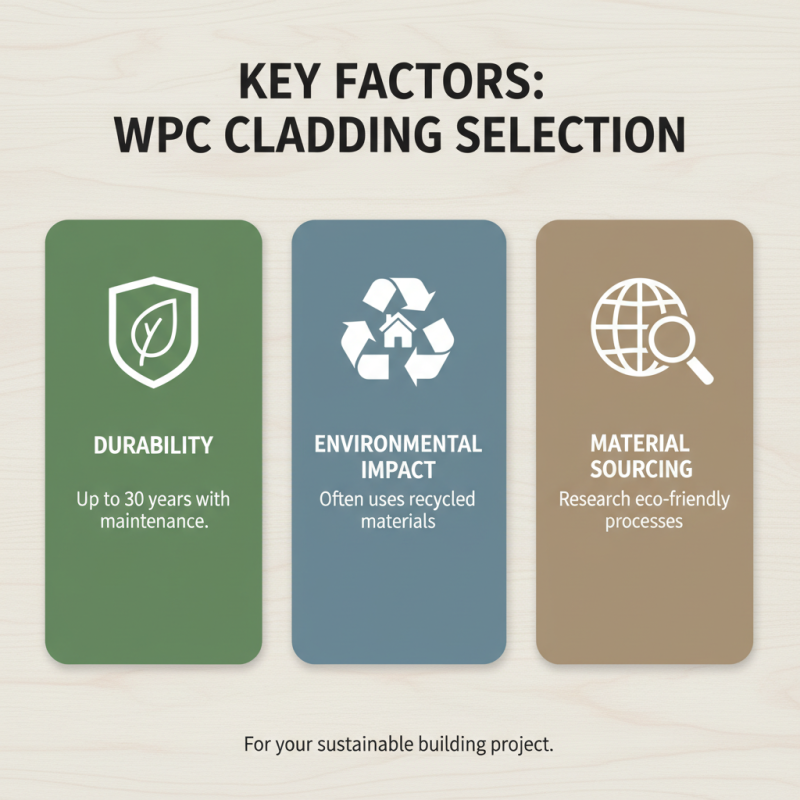
When selecting WPC (Wood-Plastic Composite) cladding materials for your project, several key factors demand attention. Durability is crucial. According to a report by Market Research Future, WPC materials can last up to 30 years if properly maintained. Environmental impact is also significant. Many WPC products are made from recycled materials, contributing to sustainable building practices. However, not all products utilize eco-friendly processes. Research the sourcing methods of potential materials.
Another essential consideration is the aesthetic appeal. WPC cladding is available in various colors and finishes, allowing for creativity in design. The appearance can mimic natural wood without the drawbacks of rot or insect damage. Still, some lower-quality options may not achieve the desired look. It’s wise to view samples in natural light before making a decision.
Cost versus performance is a common dilemma. A report by Mordor Intelligence indicates WPC cladding can be more expensive upfront than traditional materials but offers savings in maintenance over time. Choose wisely, as the relationship between initial investment and long-term value varies widely. By weighing these factors, you can ensure your cladding choice enhances both aesthetics and project longevity.
Comparing Different Types of WPC Cladding Wall Panels
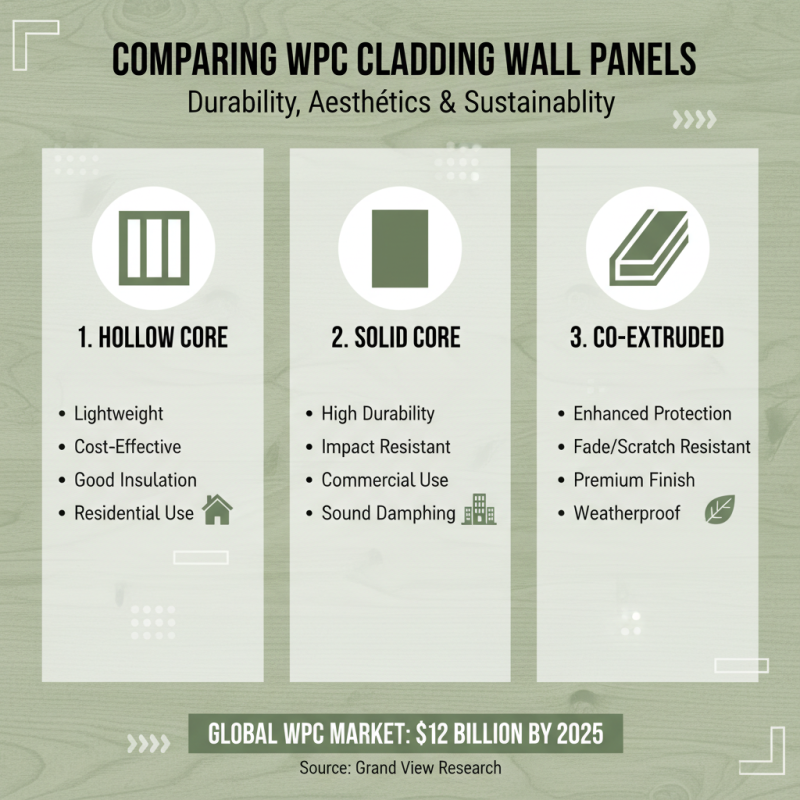
When selecting WPC cladding wall panels for your project, understanding the different types is crucial. Wood Plastic Composite (WPC) panels come in various materials and designs, impacting durability and aesthetics. A report by Grand View Research indicates that the WPC market is projected to reach USD 12 billion by 2025, reflecting a growing trend towards sustainable building materials.
The three main types of WPC cladding panels include solid, hollow, and co-extruded panels. Solid panels offer high durability but can be heavier and more expensive. Hollow panels are lighter but may lack the robustness of solid options. Co-extruded panels combine a layer of plastic on the surface, enhancing resistance to moisture and fading. According to a study by Technavio, co-extruded panels have seen a rise in demand, attributed to their lower maintenance requirements.
It's important to consider your project's specific needs when choosing the right type. An analysis from Allied Market Research highlights that consumers often face challenges in maintaining panel quality over time. Environmental factors, such as UV exposure and humidity, can affect panel performance. Reflecting on these aspects can lead to more informed decisions, ultimately contributing to the longevity and appearance of your installation.
Installation Tips for Effective WPC Cladding Application
When considering WPC cladding wall panels, installation is pivotal. Proper installation ensures durability and aesthetic appeal. Reports indicate that 64% of cladding failures arise from installation mistakes. Understanding the product requirements is crucial. Each panel type has specific guidelines for installation. Always refer to the manufacturer’s recommendations, as they provide valuable insights.
Before beginning installation, it's essential to prepare the framework correctly. Ensure that the substructure is level and dry. Uneven surfaces can lead to warping or gaps. Keeping a gap of at least 5mm between panels allows for expansion. This small detail helps avoid issues with moisture infiltration. Also, select the right fasteners. Some screws may react chemically with WPC material, leading to deterioration.
During the installation process, a few common challenges may arise. Misalignment can occur, causing visible seams. It’s important to check alignment frequently. Even minor deviations can affect the overall appearance. If necessary, consider using spacers to maintain consistent gaps. Regular assessment during installation reduces the likelihood of costly rework later on. Remember, attention to detail is vital for achieving a seamless finish.
Comparison of Popular WPC Cladding Wall Panel Types
Maintenance and Care for WPC Cladding Panels
When it comes to WPC cladding panels, maintenance plays a key role in their longevity. Regular cleaning is essential. Use a soft brush or cloth to remove dirt and debris. Avoid harsh chemicals that can damage the surface. A simple mixture of soapy water can be effective. Rinse thoroughly afterward. This helps prevent mold and mildew.
Inspect your panels periodically. Look for any signs of wear, such as scratches or fading. Address issues promptly to avoid bigger problems later. Even though WPC is durable, it's not impervious to the elements. Sunlight can cause discoloration over time. Consider using UV protectants to maintain color.
It's worth noting that WPC panels can be prone to scratches. While they are resilient, careful handling is necessary. Store extra panels in a protected area to minimize damage. Being mindful of furniture placement can also help avoid unintentional wear. Remember, the goal is to extend the life of your cladding while keeping it visually appealing.
How to Choose the Best WPC Cladding Wall Panels for Your Project? - Maintenance and Care for WPC Cladding Panels
| Feature |
Description |
Maintenance Tips |
| Durability |
WPC cladding panels are resistant to rot, decay, and insects. |
Regularly inspect the panels for damage and replace as needed. |
| Aesthetic Variety |
Available in various colors, textures, and finishes to match any design. |
Clean surfaces with a mild soap solution to maintain appearance. |
| Sustainability |
Made from recycled wood and plastic, minimizing environmental impact. |
Dispose of at the end of life in an environmentally friendly manner. |
| Installation Ease |
Lightweight panels that are easy to cut and install. |
Follow manufacturer's installation guidelines for best results. |
| Weather Resistance |
Designed to withstand harsh weather conditions. |
Inspect for mold or mildew and clean with appropriate cleaners. |