How to Choose Modern Wood Veneer Paneling for Your Project?
Choosing the right Modern Wood Veneer Paneling can significantly enhance your project’s aesthetic appeal. According to a recent report by the Wood Veneer Association, the use of wood veneer in interior design has grown by 30% over the past five years. This trend reflects a shift towards sustainable materials and modern design principles. Expert Jamie Walker, an authority in architectural finishes, states, “Modern Wood Veneer Paneling offers a unique blend of sustainability and style that sets it apart from traditional materials.”
Incorporating Modern Wood Veneer Paneling can transform spaces, but it requires careful consideration. Factors like species, grain pattern, and finish play a crucial role in the final look. Choosing a veneer that complements your design vision is essential, yet it can be daunting. Often, designers face challenges in aligning aesthetics with functionality. It’s vital to reflect on how these materials interact with light and texture in a given space.
As you explore options, remember that not every veneer is suitable for all environments. Durability is important, especially in high-traffic areas. Understanding the specific needs of your project can lead you to the best choices in Modern Wood Veneer Paneling. As you navigate through different samples, take a moment to evaluate how they align with your intended design and practical requirements.
Understanding the Basics of Modern Wood Veneer Paneling
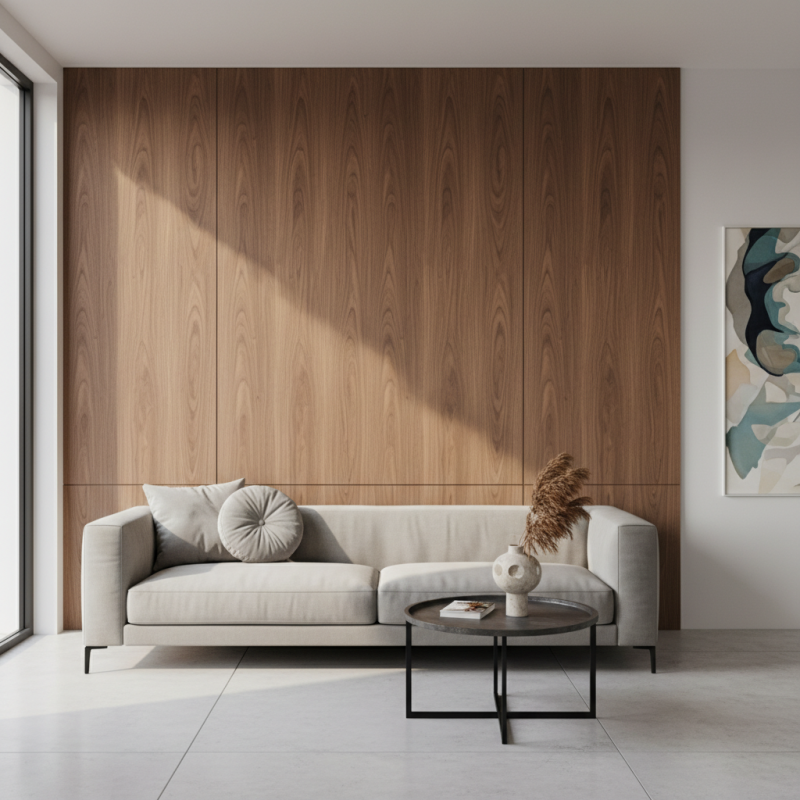
Understanding the basics of modern wood veneer paneling involves recognizing its unique qualities and versatility. Wood veneer is thin slices of wood adhered to a core panel. This technique offers a beautiful, natural look without the cost of solid wood. It's lightweight and straightforward to install, making it an attractive option for many projects.
When selecting wood veneer, consider the grain pattern and color. Different species of wood provide various aesthetics. Oak, walnut, and maple are popular choices. Each has its distinct appearance, which can affect the overall vibe of your space. It's essential to visualize how these choices will work with your existing design.
While wood veneer is appealing, it can be sensitive to moisture and heat. Improper care may lead to warping or damage. Understanding the limitations is critical before deciding. Wood veneer requires mindful maintenance, especially in kitchens or bathrooms. Reflect on your project's specific needs and the environment where the veneer will be used. Making informed decisions will enhance the beauty and longevity of your design choices.
Evaluating Different Types of Wood Veneers for Your Project
When choosing modern wood veneer paneling, understanding various types of wood veneers is essential. According to a report by the Wood Products Association, around 40% of consumers prefer natural wood over synthetic alternatives. This preference underscores the importance of selecting the right veneer for aesthetic and functional purposes.
Each type of wood veneer has its characteristics. For instance, sliced veneer offers a more natural look but can be prone to warping. On the other hand, rotary-cut veneer is economical and provides uniform grain patterns. Many professionals recommend using veneer sourced from sustainably managed forests. This choice not only supports eco-friendliness but also enhances the project’s overall credibility.
Evaluating options involves considering durability and maintenance. A study from the Forest Stewardship Council indicated that high-quality veneers can resist wear better over time. However, it can be a challenge to determine the veneer’s longevity. Recommendations often emphasize testing samples before committing. This process can lead to a more informed decision but may require additional time and efforts from the project team.
Assessing Design Styles and Finishes for Wood Paneling
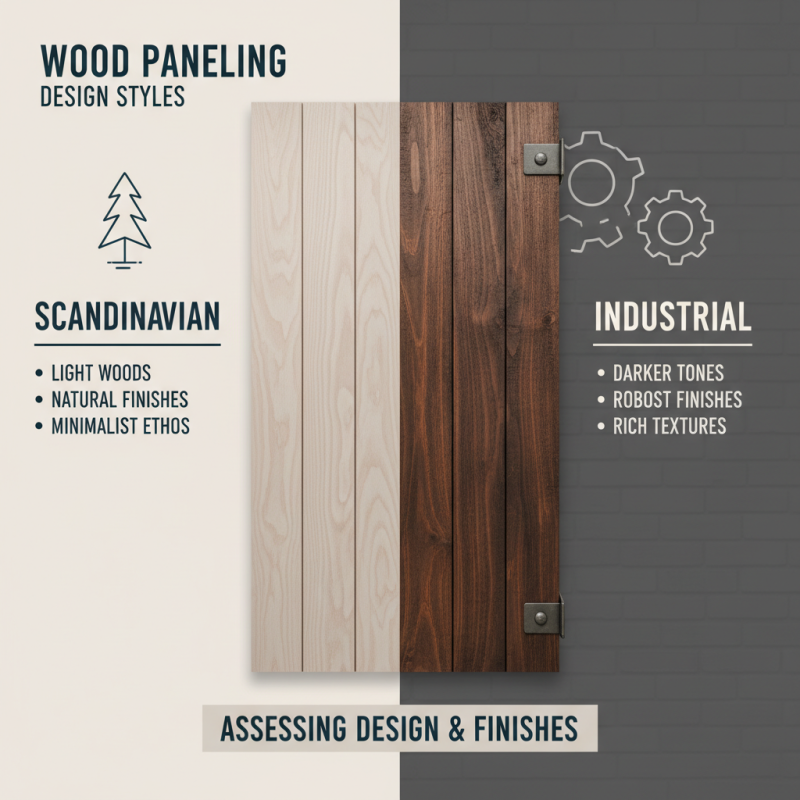
When selecting modern wood veneer paneling, it's crucial to assess various design styles. Different styles align with unique aesthetics. For instance, Scandinavian designs favor light woods with natural finishes. This approach reflects a minimalist ethos. In contrast, industrial styles may opt for darker tones with a more robust finish. This showcases rich textures and character.
Finishes play a significant role in both appearance and durability. A recent report from the Wood Products Council indicates that 70% of consumers prioritize finish quality in their decisions. Matte finishes can create a softer look, while glossy options often reflect more light, enhancing the sense of space. Yet, glossiness can also be problematic. It shows fingerprints and dust more easily than matte surfaces.
Choosing the right texture is equally important. Smooth finishes convey elegance, while rough textures evoke a more rustic feel. Yet, it's essential to consider maintenance. Some textured finishes may require additional effort to clean. The need for practicality must not be overlooked. Balancing aesthetics with functionality can be challenging but rewarding. Making a mindful choice can lead to a space that feels both modern and inviting.
Selecting the Right Adhesives and Installation Techniques
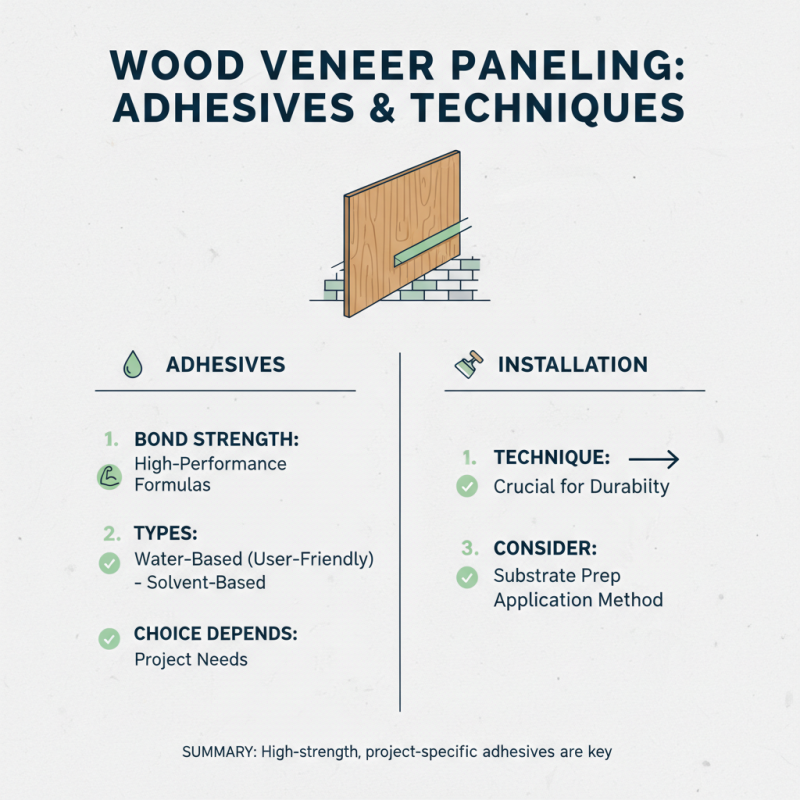
When selecting adhesives for modern wood veneer paneling, understanding the bond strength is crucial. Use adhesives designed for high performance. Many options exist, such as water-based or solvent-based adhesives. The choice depends on your project needs. Water-based adhesives are often more user-friendly.
Installation techniques greatly influence the final look. A clean surface is essential. Ensure the substrate is smooth and free from dust. Apply the adhesive evenly, as this prevents air pockets. Over-application can lead to a messy finish. Tension can develop if the panel isn’t pressed firmly. Some people overlook this detail, leading to unsightly gaps.
Consider the curing time as well. It varies among adhesives, and impatience may lead to mistakes. Follow the manufacturer’s guidelines closely. Miscalculation could cost time and effort. Pay attention to temperature and humidity, as they affect adhesion. A little care can make a significant difference in your project’s outcome. Remember, perfection is hard to achieve; acknowledge that some imperfections can add character.
Maintenance Tips for Longevity of Wood Veneer Panels
Maintaining wood veneer panels is essential for their longevity and appearance. Regular cleaning is crucial. Use a soft, dry cloth to wipe dust off the surface. Avoid using harsh chemicals. They can strip the finish and damage the veneer.
Humidity plays a significant role in the health of your panels. Wood naturally expands and contracts. If conditions are too humid or too dry, the veneer can warp. Aim for a humidity level between 40% and 60%. A humidifier or dehumidifier can help maintain this balance.
Consider the arrangement of furniture in your space. Keep heavy items off veneer surfaces. This reduces the risk of dents and scratches. When necessary, touch up any nicks or scratches promptly. This prevents them from becoming larger issues. Taking these small steps can greatly enhance the life of your wood veneer panels, ensuring they remain beautiful for years.
Wood Veneer Paneling Maintenance Strategies