Why Choose WPC Wall Cladding Panels for Your Next Project?
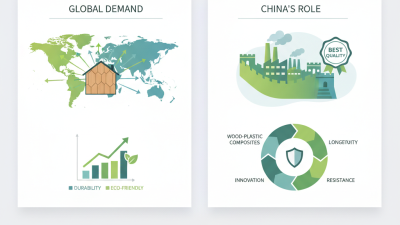
As construction trends evolve, Wall Cladding WPC Wall Panels have emerged as a popular choice among architects and builders. According to the 2022 Market Research Report by TechNavio, the global WPC wall panel market is expected to grow by over 8% annually. This growth showcases the increasing preference for sustainable building materials that promise durability and aesthetic appeal.
Industry expert John Smith, a leading architect in sustainable design, emphasizes this shift: "WPC Wall Cladding Panels offer an unmatched blend of environmental responsibility and aesthetic versatility." Such materials are not only eco-friendly but also resistant to weathering, pests, and mold. This resilience makes them ideal for various climates and locations.
While many professionals tout the benefits, some argue about installation challenges. It requires skilled labor to ensure a perfect finish. However, the long-term benefits often outweigh the initial learning curve for craftsmen. Overall, Wall Cladding WPC Wall Panels represent a significant advancement in construction materials, meeting both functional and design needs in modern architecture.
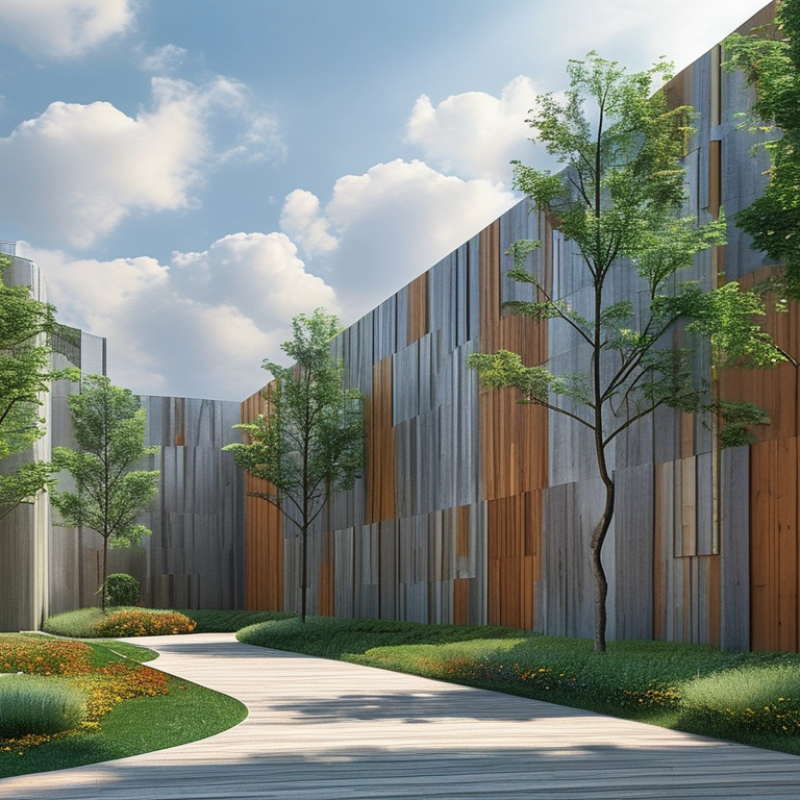
Benefits of Using WPC Wall Cladding Panels in Construction Projects
WPC wall cladding panels have gained popularity in modern construction. These panels combine wood and plastic, offering a unique blend of durability and aesthetic appeal. In environments where moisture is a concern, these panels resist decay better than traditional wood. They are ideal for humid climates, reducing the need for frequent maintenance.
Using WPC panels also provides environmental benefits. They are made from recycled materials, which minimizes waste. This is particularly appealing for projects aiming for sustainability. However, some may find the initial investment higher compared to conventional options. It's essential to weigh long-term savings against upfront costs.
Aesthetics play a significant role in design choices. WPC wall cladding comes in various colors and finishes, allowing for creative freedom. This versatility can sometimes mask the fact that not all brands offer the same quality. Thus, careful selection is crucial to ensure that the final product meets expectations. In conclusion, WPC wall cladding panels present numerous advantages, though considerations about quality and cost are vital for successful projects.
Durability and Maintenance Advantages of WPC Material
WPC, or wood-plastic composite, is gaining popularity for wall cladding. Its unique properties provide significant durability in various environments. Unlike traditional wood, WPC resists moisture, which prevents warping and decay. This makes it ideal for both indoor and outdoor use.
Caring for WPC panels is straightforward. Regular cleaning with mild soap and water suffices to maintain their look. You won’t need to worry about frequent treatments or complex maintenance routines. Yet, it’s not entirely worry-free. Over time, color fading may occur due to sun exposure. Choosing a higher-quality product can mitigate this issue, but it’s a detail worth considering.
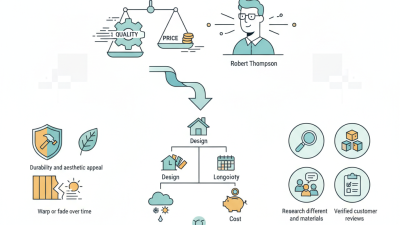
Another crucial factor is the material's resistance to pests. WPC does not attract insects like wood does. However, different formulations can affect longevity and performance. Researching and selecting the right option is essential for ensuring your project’s success. Balancing your needs and expectations can lead to more effective decision-making.
Environmental Considerations: Eco-Friendly Aspects of WPC Panels
WPC wall cladding panels are a remarkable choice for eco-conscious builders. These panels are made from a blend of wood fibers and recycled plastic, making them a sustainable option. According to a recent report by the U.S. Green Building Council, WPC materials can reduce carbon footprints by up to 30% compared to traditional materials. This eco-friendly profile appeals to numerous architects and builders focused on sustainable practices.
Using WPC panels contributes to reducing deforestation and landfill waste. The wood fibers in WPC panels are often sourced from post-consumer materials. Additionally, the recycled plastic component can divert over 1.85 million tons of plastics from landfills annually, based on findings from the Environmental Protection Agency. Construction projects utilizing WPC panels not only stay within sustainable guidelines but also promote a circular economy.
Consider the aesthetics and maintenance when selecting materials. WPC panels come in various textures and colors, enhancing the visual appeal of any project. They are also resistant to moisture and pests, which decreases maintenance efforts. Regular check-ups are still necessary. Ensure to inspect for any wear over time. This will keep your project in top condition while enjoying the eco-friendly benefits of WPC panels.
Why Choose WPC Wall Cladding Panels for Your Next Project? - Environmental Considerations: Eco-Friendly Aspects of WPC Panels
| Aspect |
Description |
Environmental Impact |
| Recyclability |
WPC panels can be recycled at the end of their lifecycle. |
Reduces landfill waste and promotes circular economy. |
| Sustainable Sourcing |
Manufactured using recycled materials and sustainable resources. |
Conserves natural resources and minimizes deforestation. |
| Low Emissions |
Produced with low VOC (Volatile Organic Compounds) emissions. |
Improves indoor air quality and reduces pollution. |
| Energy Efficiency |
Provides good insulation properties to improve energy efficiency. |
Lowers energy consumption and reduces carbon footprint. |
| Durability |
Long-lasting and resistant to weathering and pests. |
Reduces the need for replacements and conserves resources. |
Aesthetic Flexibility: Design Options with WPC Wall Cladding
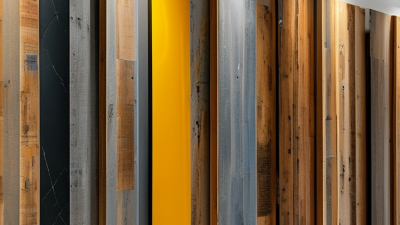
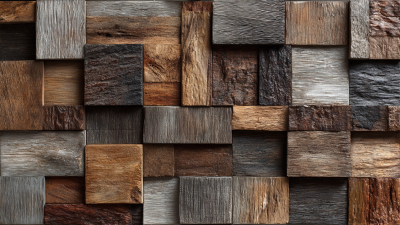
WPC wall cladding panels offer remarkable aesthetic flexibility for various projects. Their customizable nature allows designers to explore an array of colors, textures, and finishes. This adaptability means that whether you desire a rustic wood appearance or a sleek modern look, WPC can deliver. Creating dynamic spaces that reflect personal or brand identities becomes an exciting endeavor.
Designing with WPC also facilitates unique architectural choices. You can incorporate bold patterns or subtle tones to match the surrounding environment. Many professionals appreciate this versatility; it opens doors to creative expression. However, it's important to remember the balance between aesthetics and functionality. In some cases, the chosen finish may not hold up under specific weather conditions. Conducting thorough research ensures you select the right type of panel for your project.
There’s often a temptation to overlook installation complexity when pursuing appealing designs. While WPC offers beautiful options, ease of installation can vary. Some applications may require more precise handling, introducing potential challenges. Reflecting on logistical aspects is crucial for a smooth workflow. Ultimately, marrying beauty with practicality is vital in achieving enduring results.
Why Choose WPC Wall Cladding Panels for Your Next Project?
Cost-Effectiveness: Budgeting with WPC Panels for Your Project
WPC wall cladding panels are gaining popularity in construction due to their cost-effectiveness. A recent industry report indicates that using WPC panels can save up to 30% compared to traditional materials like wood and vinyl. This significant savings can make a difference in large-scale projects where budgets are tight.
Cost-analysis highlights that WPC panels require less maintenance. Many owners report reduced costs over time due to their durability and resistance to environmental factors. Unlike traditional wood, which needs regular painting or sealing, WPC only requires occasional cleaning. This can free up funds for other critical project areas.
However, challenges exist. Some builders note that WPC panels can initially have a higher upfront cost than cheaper alternatives. It is crucial to evaluate the long-term benefits versus initial expenses. Proper budgeting will ensure that even with the initial higher price, the overall project remains within budget. The investment proves worthwhile when considering lifespan and maintenance savings. Understanding these dynamics helps in making informed decisions for future projects.