How to Choose WPC Wall Panels for Interior Decoration?
Choosing materials for Wpc Wall Panel Interior Decoration requires more than matching colors with furniture. A panel may look warm under showroom lighting, yet appear flat beside a real window. Its surface texture, thickness, moisture resistance, and installation method all influence the final room.
Daniel Mercer, an interior materials consultant specializing in WPC applications, says, “A good wall panel should improve the room’s comfort, not merely cover the wall.” This idea matters in practical projects. A bedroom may need softer textures and low-gloss finishes. A bathroom-adjacent wall needs reliable moisture protection. A busy hallway needs a surface that tolerates repeated contact and simple cleaning.
Start with the room’s actual conditions. Measure wall dimensions carefully. Check ventilation, humidity, lighting, and existing wall flatness. Then compare panel density, fire-performance documentation, surface coating, edge design, and fixing systems. Ask suppliers for samples. Touch them. Place them beside your flooring and cabinet doors.
Small details change everything.
Some choices remain imperfect. A highly textured panel can hide minor wall flaws, but it may collect dust. Dark panels create depth, yet they can make narrow rooms feel smaller. Budget products may appear attractive, but uneven locking edges can increase installation time. Reliable selection depends on verified specifications, experienced installers, and honest consideration of maintenance. This guide explores how to balance appearance, performance, safety, and long-term value without treating one fashionable finish as the answer for every interior.
Define WPC Wall Panels and Their Interior Applications
WPC wall panels are engineered boards made from wood fiber or flour, thermoplastic polymers, and stabilizing additives. The blend creates a firm, moisture-resistant surface with a wood-like appearance. It is not solid wood, and it is not automatically waterproof. That distinction matters. Grand View Research identifies construction as a major application area for wood-plastic composites, reflecting their growing use in interior and architectural surfaces.
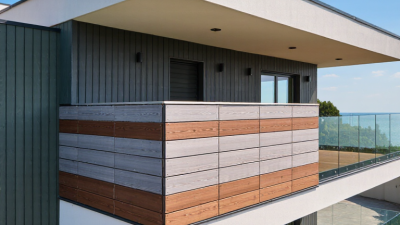
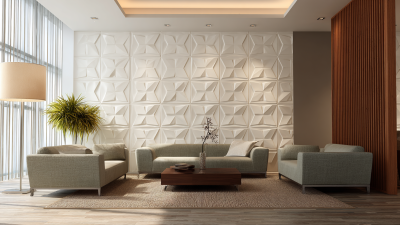
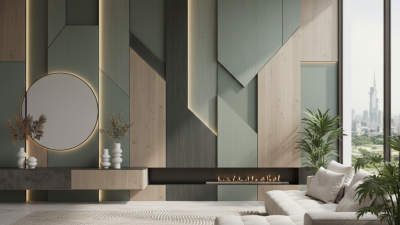
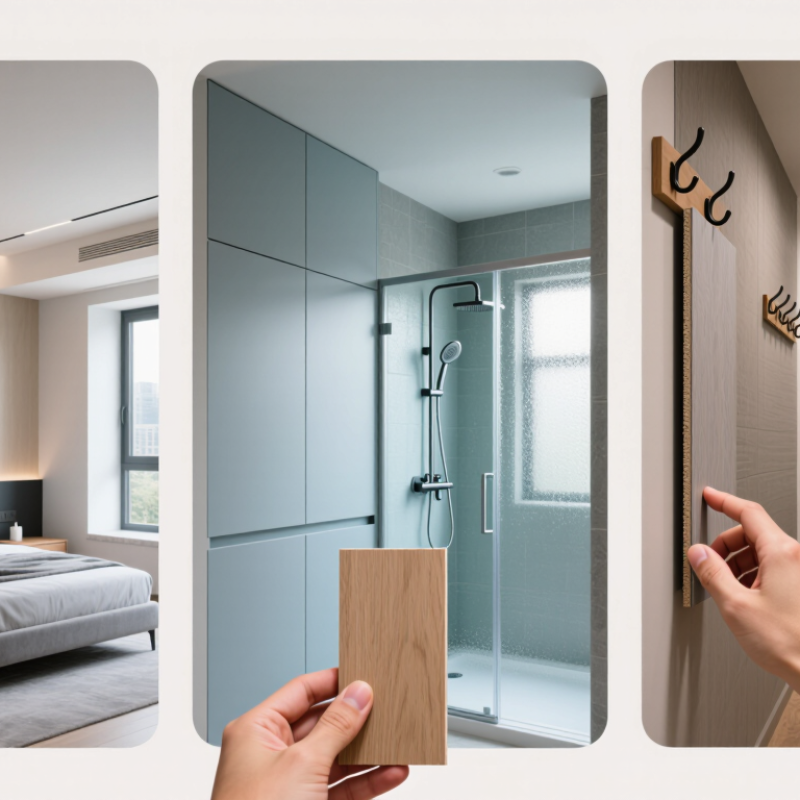
In interior decoration, WPC panels commonly cover feature walls, television backgrounds, corridors, ceilings, and selected bathroom or kitchen areas. Slatted profiles can soften echo and add visual rhythm, although acoustic performance depends on the backing layer and installation gap. In practice, I check the room’s humidity, cleaning routine, and ventilation before choosing a panel. A beautiful sample can still mislead. Direct water exposure may damage joints, edges, or untreated substrates.
Selection should begin with technical documentation, not color. Look for declared fire performance under standards such as EN 13501-1 or ASTM E84, depending on the project location. Also request emissions data, dimensional tolerance, maintenance guidance, and installation limits. The U.S. Environmental Protection Agency links indoor air quality to building materials and ventilation, so low-emission evidence deserves attention. Market reports often highlight WPC’s durability, but durability varies with polymer content, formulation, and workmanship. I would avoid assuming that a higher wood percentage always means better quality. Density, surface coating, fastening method, and expansion allowance can matter more.
Assess Room Conditions and Performance Requirements
Choosing WPC wall panels starts with the room, not the surface pattern. Measure humidity, temperature, ventilation, and direct sunlight before ordering. ASHRAE Standard 55 commonly identifies 30–60% relative humidity as a practical comfort range. Bathrooms, kitchens, and poorly ventilated basements may exceed it. Persistent moisture can cause staining, odor, or movement at panel joints. A waterproof-looking finish is not the same as a moisture-proof installation.
Match panel performance to actual use. Check the product’s water absorption, dimensional stability, impact resistance, and surface temperature limits. For corridors or commercial interiors, request abrasion and fire-test documentation. ASTM E84 or EN 13501-1 results can clarify flame-spread or reaction-to-fire performance, but classifications vary by construction system. The International Energy Agency reports that buildings consume about 30% of global final energy. Panels cannot solve energy waste alone. Insulation, airtightness, and ventilation still matter.
Tips: Use a moisture meter before installation. Leave expansion gaps around corners and floors. Compare test reports, not only catalog claims. For sunny rooms, inspect color-retention data. A darker panel may feel warmer near glass. That detail is easy to miss. Consider a concealed service zone behind panels, especially near plumbing. It may cost more initially, but repairs become less destructive. My own assessment would remain cautious: attractive panels can hide an unsuitable substrate, and no decorative finish compensates for unresolved dampness.
How to Choose WPC Wall Panels for Interior Decoration?
Assess room conditions and performance requirements before selecting a WPC wall panel. The chart shows the relative priority of each requirement on a 1–5 scale, where 5 means the requirement deserves the greatest attention.
Selection guidance: Moisture resistance and cleanability are especially important in bathrooms and kitchens. Living rooms usually require a balanced combination of appearance, impact resistance, and dimensional stability. Acoustic and fire-performance requirements should be checked against the building regulations and the conditions of the specific project.
Check Dimensions, Installation Methods, and Maintenance Needs
Wall panel selection starts with accurate dimensions, not attractive samples. Measure wall height, width, doors, sockets, and uneven corners separately. Add around 5% extra material for cutting waste. Grand View Research valued the global WPC market at approximately USD 7.09 billion in 2022, with strong projected growth through 2030. That growth brings more profiles and sizes, but specifications still vary widely. A large panel may reduce joints, yet it can become difficult to carry through narrow stairways.
Check the installation method against the wall condition. Clips suit framed surfaces, while adhesive may work on clean, level masonry. Furring strips help correct uneven walls and create a service cavity. Leave the expansion gap required by the technical sheet, especially near floors and ceilings. Installers commonly check flatness across a two-metre span before fixing panels. This practical step is often skipped. It should not be.
Maintenance needs deserve equal attention. A 2023 Wood-Plastic Composite Products study by The Freedonia Group identifies interior applications as a developing use area, increasing the need for clear care instructions. Use a soft cloth, diluted neutral detergent, and limited water. Avoid abrasive pads and strong solvents. In kitchens, inspect joints near sinks every few months. WPC resists routine moisture, but it is not automatically waterproof. I have seen attractive panels fail because trapped humidity was ignored. That detail is easy to miss.
Evaluate Quality, Safety Standards, Sustainability, and Total Cost
How to Choose WPC Wall Panels for Interior Decoration?
Choosing WPC wall panels requires more than matching color with furniture. In renovation projects, I check panel density, surface uniformity, edge accuracy, and moisture resistance. A reliable panel should not bend easily after being stored indoors. Inspect several pieces under natural light. Small color differences may become obvious across a large wall.
Safety standards deserve careful attention. Ask for test reports covering fire performance, formaldehyde emissions, and heavy-metal limits. Requirements vary by country and building type, so confirm them with local regulations or a qualified inspector. Do not trust vague phrases such as “eco-friendly.” Request dated documents from an independent laboratory. The adhesive and backing system also matter. A safe panel can still create problems when installed with unsuitable materials.
Sustainability includes the product’s full life cycle. Check recycled content, production disclosures, expected service life, and disposal options. Total cost includes more than the panel price. Add transport, trims, adhesive, labor, maintenance, waste, and possible replacement. Measure the wall twice. I once underestimated cutting waste on an irregular wall, and the final budget changed noticeably. That mistake still influences my estimates. A cheaper panel may become expensive if its edges chip, its color fades, or installation takes twice as long. Ask for a sample and test cleaning, scratching, and joint alignment before ordering. Small tests reveal uncomfortable truths.