What is a Fluted Wall Panel and How to Use It?
Fluted wall panels are becoming a popular choice for modern interior design. They add texture and depth to various spaces. According to Jessica Hart, an expert in interior design, "Fluted wall panels are not just decorative; they transform the atmosphere of a room."
These panels can be used in residential and commercial settings. They often serve to enhance aesthetic appeal while providing sound insulation. Choosing the right color and material is essential. Many designers recommend pairing fluted wall panels with minimalist furniture to maintain balance. Small details, like the finish of the panel, can significantly impact the overall look.
However, it’s crucial to remember that installation requires precision. Poorly placed panels can disrupt the flow of a room. While they are visually striking, they can also overwhelm smaller spaces if not used thoughtfully. Careful consideration is needed to ensure that they complement existing decor. Fluted wall panels hold great potential but must be selected and placed wisely.
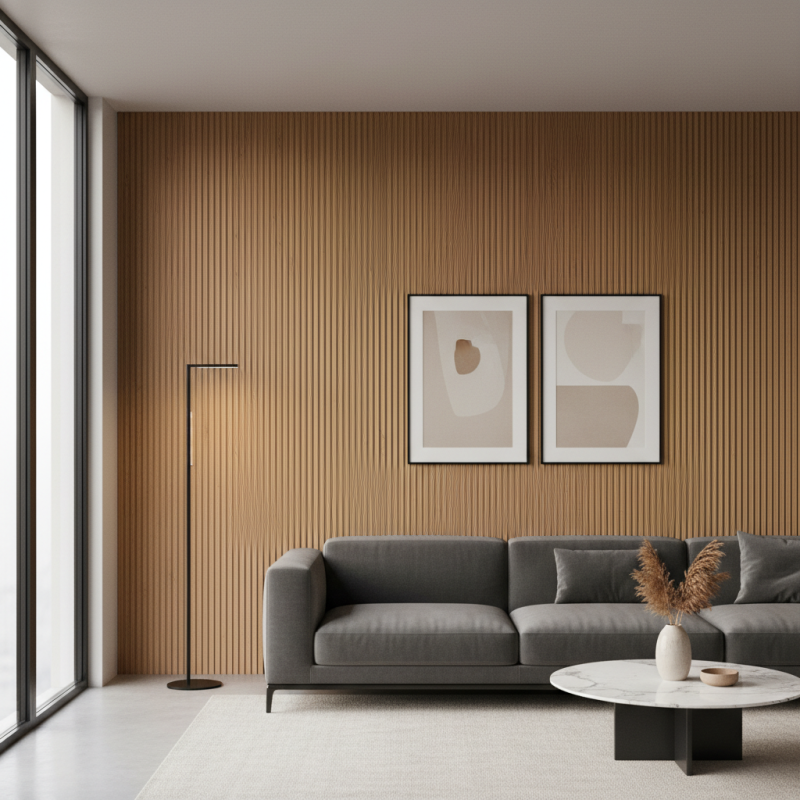
Definition and Characteristics of Fluted Wall Panels
Fluted wall panels are a fascinating architectural feature. They are characterized by vertical grooves or channels that add texture and depth to any space. The fluting can vary in width and depth, allowing for a range of visual effects. This versatility makes them suitable for different design styles, from modern to traditional.
Using fluted wall panels can elevate your interiors. They create a sense of rhythm and movement. The shadows cast by the grooves add an intriguing play of light. However, not every room benefits from their bold presence. It's essential to consider the overall design scheme. An overabundance of fluting might make a space feel chaotic.
Choosing the right color is crucial. Light hues can make a room feel larger. Darker tones might evoke a more intimate atmosphere. It’s important to find a balance. Overly dramatic or mismatched fluting could distract rather than enhance. Reflect on the existing decor and furniture. Will the fluted panels complement them or clash? Thoughtful integration can lead to a stunning result.
Different Materials Used for Fluted Wall Panels
Fluted wall panels are making a comeback in interior design. They add texture and depth to spaces. The materials used for these panels vary, each offering unique aesthetic and practical advantages.
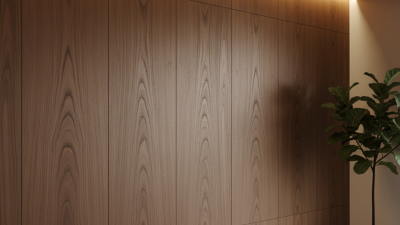
Wood is a classic choice for fluted wall panels. It brings warmth and elegance. Oak and maple are popular options. They can be stained or painted to match any decor. However, wood may warp over time or react to humidity changes.
Another option is MDF, which is durable and cost-effective. It can be easily shaped and painted. The installation process is often simpler. Yet, MDF might not have the same rich feel as natural wood. Laminate is also a choice worth considering. It offers versatility in design but can lack the authenticity of traditional materials.
Fluted Wall Panels: Usage and Material Distribution
Common Applications of Fluted Wall Panels in Interior Design
Fluted wall panels have gained popularity in modern interior design. They add texture and depth to any room. The grooves create a dynamic visual effect. This can enhance both light and shadow play in the space. Fluted panels are versatile, fitting various styles from contemporary to traditional.
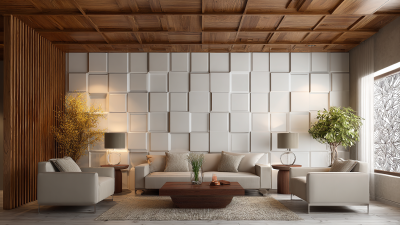
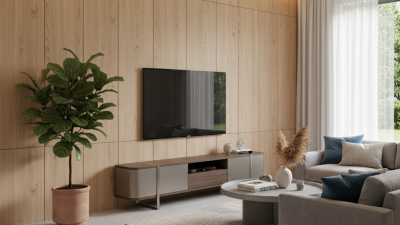
In living rooms, they can serve as striking feature walls. Adding a fluted panel behind a sofa creates an eye-catching backdrop. Paint it a bold color for added impact. In kitchens, these panels can be used as cabinet fronts or accent pieces. They bring a sense of warmth and elegance. However, be cautious; overusing them may lead to a cluttered look.
Bathrooms also benefit from fluted designs. Incorporating them into the shower area adds sophistication. It can turn an ordinary space into a spa-like retreat. Consider using lighter colors for a more airy feel. Nevertheless, if not balanced properly, fluted panels can overwhelm small spaces. Think carefully about placement to achieve harmony.
What is a Fluted Wall Panel and How to Use It? - Common Applications of Fluted Wall Panels in Interior Design
| Application Area |
Material |
Design Style |
Benefits |
| Living Room |
MDF |
Modern |
Adds texture and depth |
| Office Spaces |
Wood |
Contemporary |
Improves acoustic performance |
| Restaurants |
Plywood |
Industrial |
Creates a warm ambience |
| Hotels |
PVC |
Luxury |
Enhances aesthetic appeal |
| Retail Stores |
Fiberboard |
Fashionable |
Attracts customer attention |
Installation Process for Fluted Wall Panels
The installation of fluted wall panels can transform any space. These panels create depth and texture. However, the process requires careful planning and execution. Begin by preparing the wall surface. Ensure it is clean, dry, and level before starting. Fluted wall panels can vary greatly in size and style. Measuring the space accurately is crucial.
When it comes to installation, following a systematic approach helps. Mark reference lines to maintain alignment. This works well, especially if you use multiple panels. Always wear appropriate safety gear while cutting panels. Precision is key, but so is safety. It's easy to make mistakes, so double-check measurements before cutting.
Tips: Use construction adhesive along with fasteners. This combination offers better stability for the panels. Additionally, consider using a level to ensure each panel is straight. If panels need to be painted or finished, do this before installation for convenience. This method can save time and provide a professional appearance. Lastly, expect some challenges along the way. Adjustments might be necessary, but they can lead to a better final look. Embrace any issues for a creative finish.
Tips for Maintaining and Cleaning Fluted Wall Panels
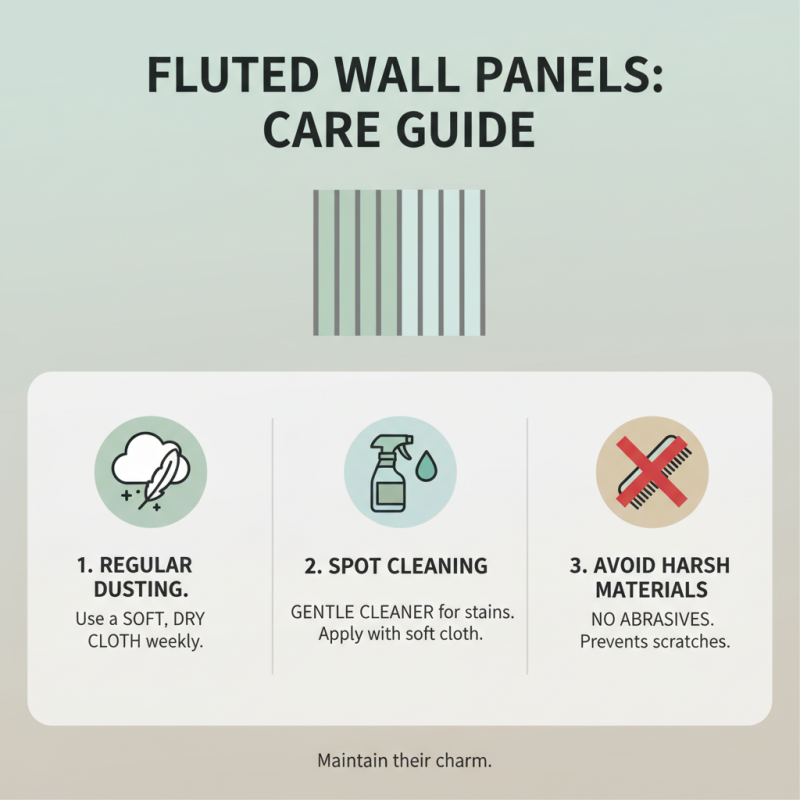
Fluted wall panels can enhance your space beautifully. However, they require special care to maintain their charm. Regular cleaning is essential. Use a soft cloth for dusting. A gentle cleanser can help with stubborn stains. Avoid using abrasive materials. They can scratch the delicate fluting.
Inspect your panels often. Look for signs of wear or damage. Small dents or chips can become bigger problems if ignored. If you notice any issues, address them quickly. It’s easier to repair minor damage than to replace entire panels. Keeping a maintenance schedule can help catch issues early.
In humid areas, mold can be a problem. Use a mixture of water and vinegar to clean affected areas. This solution is effective yet gentle. After cleaning, dry the panels with a towel. Over time, you might find it challenging to keep the panels pristine. Don’t shy away from imperfections. They tell a story and add character to your home.