2026 How to Choose WPC Indoor Wall Cladding for Your Home?
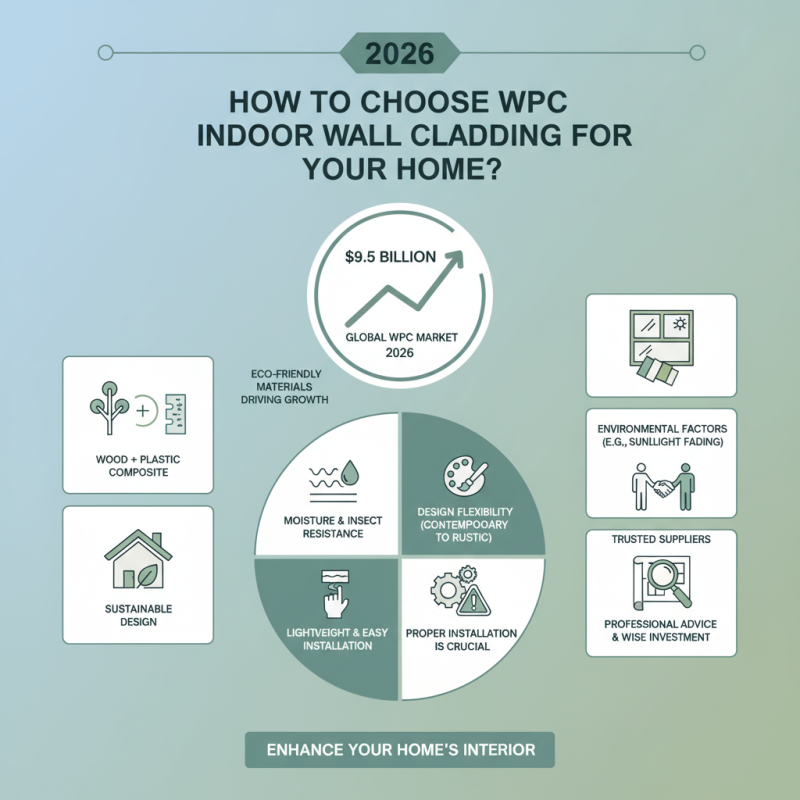
Choosing the right WPC Indoor Wall Cladding can significantly enhance the aesthetics and durability of your home. According to a report by MarketsandMarkets, the global WPC market is projected to reach $9.5 billion by 2026, driven by increasing demand for eco-friendly materials. This growth indicates a shift toward sustainable design choices that cater to modern lifestyles.
WPC, or Wood Plastic Composite, combines the best of both wood and plastic. It offers the appealing look of wood with enhanced resilience against moisture and insects. Due to its design flexibility, WPC Indoor Wall Cladding can be used in various interior styles, from contemporary to rustic. The material’s lightweight nature simplifies installation, but it’s crucial to note that poor installation can lead to issues over time.
Choosing WPC Indoor Wall Cladding involves more than just selecting a color or texture. It requires understanding the specific needs of your space. For example, some products may be prone to fading under direct sunlight. Careful consideration of environmental factors can prevent regrettable choices later. Engaging with trusted suppliers and seeking professional advice ensures a wise investment in your home's interior.
Understanding WPC: What Is Wood-Plastic Composite in Wall Cladding?
Wood-Plastic Composite (WPC) is becoming popular for indoor wall cladding. This material combines wood fibers with plastic, creating a durable option for homeowners. It offers aesthetic appeal and practical benefits. WPC can mimic the look of natural wood without the drawbacks.
When selecting WPC for your walls, consider its resistance to moisture and pests. This can be crucial in areas with high humidity. Some WPC options might fade over time, requiring maintenance. Be mindful of this aspect when choosing colors and finishes. Check the product specifications to ensure quality and longevity.
Look for certified products that prioritize safety and environmental impact. Not all WPC materials are created equal; some may contain harmful additives. Research suppliers to find reliable sources of high-quality WPC. Always ask for samples before committing to a large order. This way, you can visualize how it fits into your home’s design.
WPC Indoor Wall Cladding Preferences in 2026
Evaluating the Benefits of WPC Indoor Wall Cladding for Homes
WPC (Wood Plastic Composite) indoor wall cladding has become popular for many homeowners. It combines the best qualities of wood and plastic, offering durability and aesthetic appeal. One major benefit is its resistance to moisture, making it ideal for areas prone to humidity. This can prevent warping and degradation over time, which is common with traditional wood panels.
Another advantage is the ease of installation. WPC panels are lightweight, which simplifies the process. This feature appeals to DIY enthusiasts looking to update their spaces without hiring professionals. However, it’s essential to consider the thickness and quality of the material. Not all WPC products are created equal, and some may not stand up to the test of time.
While WPC is low-maintenance and resistant to pests, it can still require occasional cleaning to maintain its appearance. Homeowners should also evaluate their specific needs. The right choice depends on the room’s function and the desired aesthetic. Seeking advice from experts can help narrow down options. Reflecting on your preferences and the room’s style will lead to a satisfactory decision.
Key Considerations for Selecting WPC Wall Cladding: Durability and Aesthetics
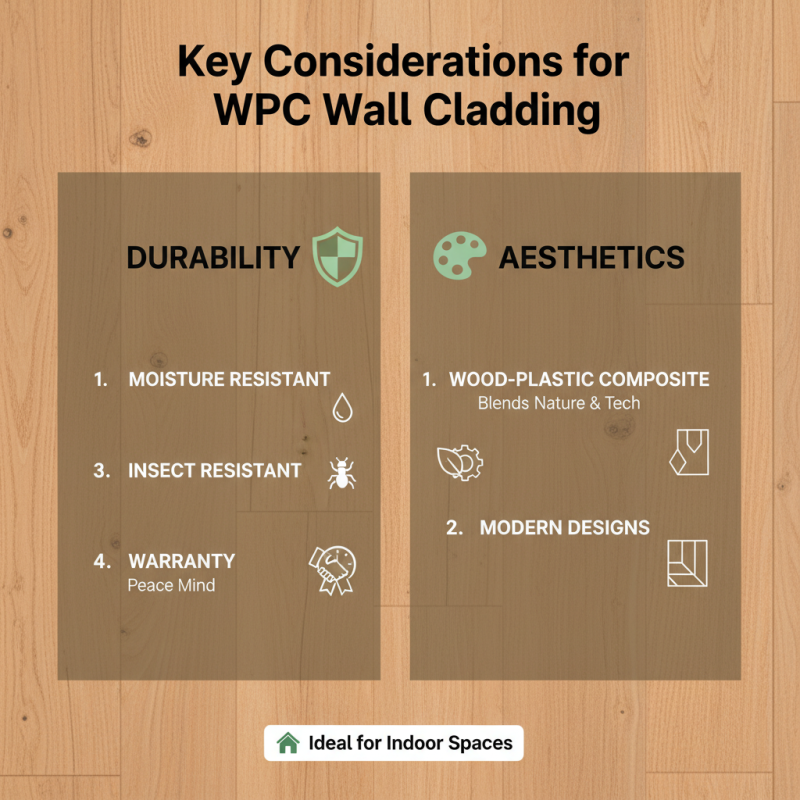
When selecting WPC indoor wall cladding, durability and aesthetics are crucial. WPC, or wood-plastic composite, combines the best of both worlds. It's resistant to moisture and insects, making it ideal for indoor spaces. Choose a product that offers a warranty for extra peace of mind.
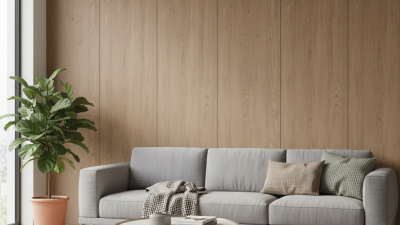
Aesthetics play a vital role in your choice. WPC wall cladding comes in various textures and colors. Consider how these will complement your existing decor. A sleek finish may suit modern designs, while a rustic appearance can enhance traditional settings. Experiment with samples before making a final decision.
**Tips:** Always check reviews and seek expert recommendations. Don't just rely on visuals alone; assess tactile quality. To avoid pitfalls, ensure the installation is done correctly. A poor installation can lead to warped panels and a less appealing finish. Look for options that blend beauty with long-lasting performance for a worthwhile investment.
Sustainability in WPC: Analyzing Environmental Impact Data and Certifications
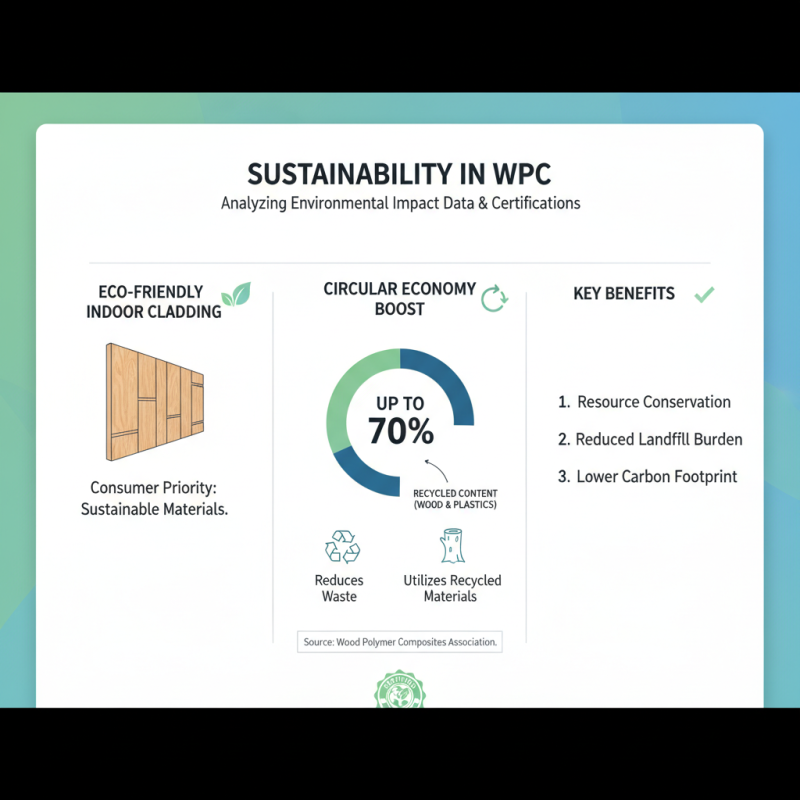
When considering WPC (Wood Plastic Composite) for indoor wall cladding, sustainability becomes a key factor. Many consumers are now prioritizing eco-friendly materials. WPC products often utilize recycled materials, which can help reduce waste. Research from the Wood Polymer Composites Association indicates that up to 70% of the content in some WPCs can be derived from recycled wood and plastics. This contributes positively to the circular economy.
Environmental impact data shows that WPC production typically has a lower carbon footprint compared to traditional materials. The life cycle assessment conducted by the National Renewable Energy Laboratory outlines that WPCs can emit up to 40% less CO2 than conventional wood. Moreover, certifications such as FSC (Forest Stewardship Council) or PEFC (Programme for the Endorsement of Forest Certification) can guide consumers in choosing responsibly sourced materials. However, not all WPC products meet these standards, which raises concerns about greenwashing in the industry.
Despite these benefits, it’s important to critically evaluate the longevity of WPC products. While they boast resistance to rot and decay, some studies suggest that exposure to certain environmental conditions may lead to structural issues over time. Transparency regarding testing and certifications is essential. Homeowners should ensure they’re making informed decisions to truly benefit the environment while enhancing their living spaces.
Maintenance Tips for WPC Wall Cladding to Ensure Longevity and Appearance
WPC (Wood Plastic Composite) indoor wall cladding is gaining popularity due to its aesthetic appeal and durability. However, the longevity and appearance of WPC wall cladding significantly depend on proper maintenance practices. According to industry data, regular maintenance can extend the lifespan of WPC materials by up to 40%. This means investing time now can save costs later.
Cleaning is essential. Use a mild detergent and water solution to remove dust and grime. Avoid abrasive cleaners that can scratch the surface. Data shows that neglecting to clean your WPC can lead to a 25% decline in appearance over time. Additionally, inspect the cladding regularly for signs of fading or wear. Addressing these issues early can prevent more significant deterioration.
UV exposure affects WPC’s color. Areas with direct sunlight may require protective coatings to maintain their appearance. Reports suggest that a simple protective layer can enhance UV resistance by 35%. Remember, even with the best care, fading can occur. Some users might find an uneven finish or color loss, forcing them to rethink their maintenance strategies. Keeping a balance between care and practicality is vital for achieving long-lasting beauty in your indoor space.
2026 How to Choose WPC Indoor Wall Cladding for Your Home? - Maintenance Tips for WPC Wall Cladding to Ensure Longevity and Appearance
| Aspect |
Recommendation |
Maintenance Tips |
Expected Lifespan |
| Material Quality |
Choose high-density WPC for durability. |
Regularly check for cracks or damage. |
10-25 years depending on care. |
| Design & Aesthetics |
Select colors and textures that complement your decor. |
Use mild cleaners suitable for WPC finishes. |
10-20 years with proper cleaning. |
| Installation Style |
Opt for professional installation for best results. |
Ensure panels are securely fastened. |
20+ years when installed correctly. |
| Climate Consideration |
Consider your local humidity and temperature. |
Control indoor humidity levels. |
15-30 years in stable environments. |
| Color Fading |
Choose UV-resistant options. |
Use window treatments or ensure indirect light exposure. |
5-15 years for colors to dull. |