Top Tips for Using Modern Wood Veneer Paneling in Your Home?
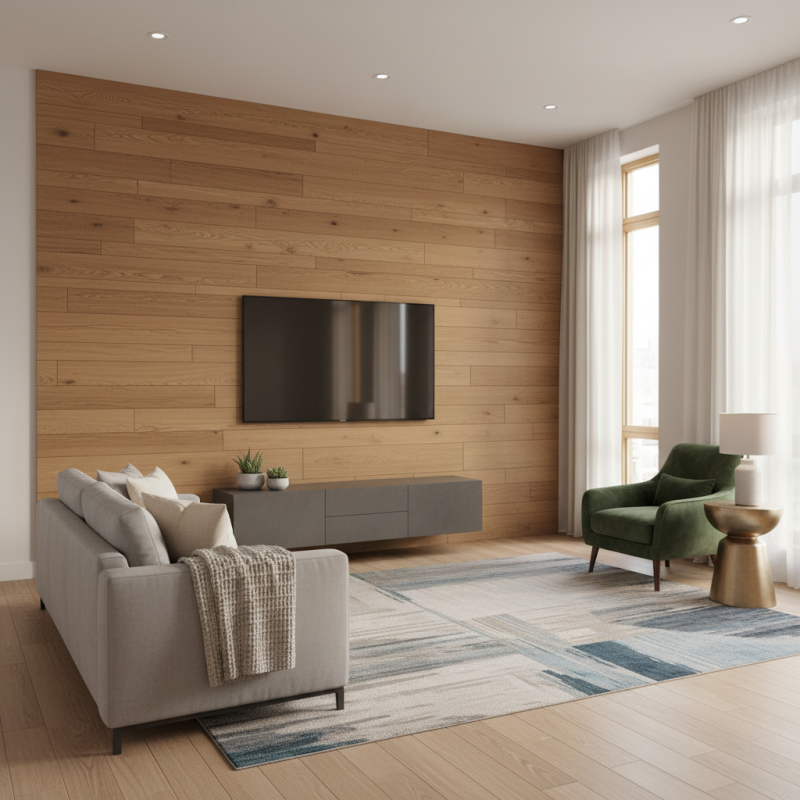
Modern Wood Veneer Paneling has become increasingly popular in home design. Research from the National Association of Home Builders indicates that over 40% of homeowners favor natural wood finishes. This trend reflects a desire for warmth and authenticity in interior spaces.
Utilizing Modern Wood Veneer Paneling can transform any room. It offers a sleek and sophisticated look, enhancing both aesthetic appeal and market value. However, achieving the perfect balance is essential. Overuse can lead to a cluttered feel, detracting from the intended elegance.
The versatility of Modern Wood Veneer Paneling means it suits various styles, from contemporary to rustic. Yet, careful selection and installation are crucial. Not every application will be successful, and poor choices may lead to costly revisions. Embracing this material requires thoughtfulness and creativity in design.
Benefits of Using Modern Wood Veneer Paneling in Home Design
Modern wood veneer paneling is gaining traction in home design, offering an array of benefits. It provides a natural aesthetic that is hard to replicate. According to a recent study by the Architectural Woodwork Institute, 84% of homeowners appreciate the warmth wood brings to a space. This appeal is more than visual; it creates an environment that feels inviting and comfortable.
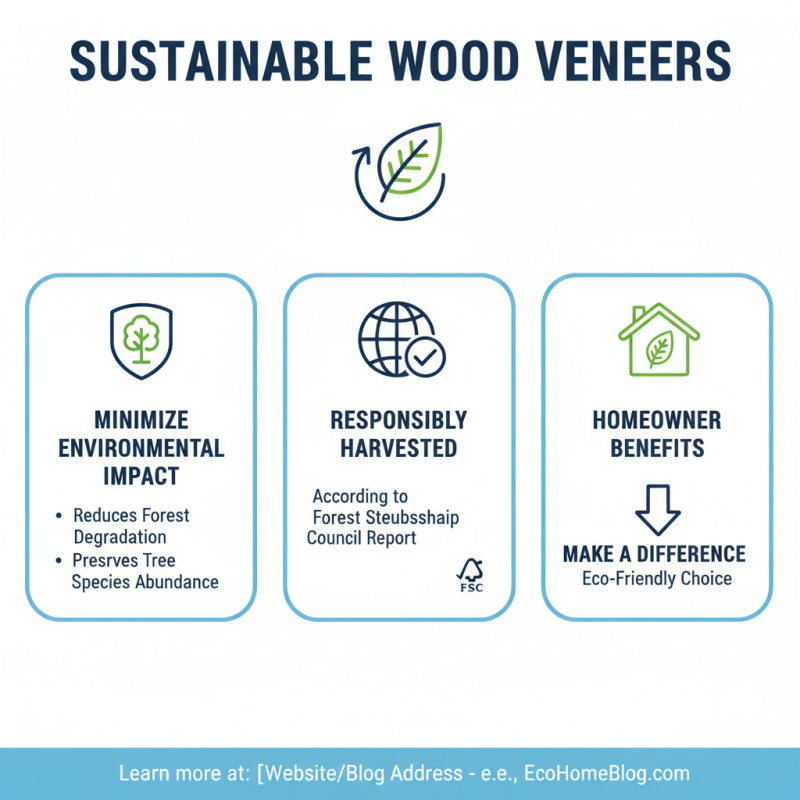
Another benefit is sustainability. Many veneer options come from responsibly sourced wood. Data from the Forest Stewardship Council shows that using veneer can reduce wood waste by up to 50%. This aligns with growing consumer demand for eco-friendly materials. However, the veneer itself can be sensitive to humidity and moisture. If not maintained properly, it may warp or damage over time. Homeowners should remain vigilant about their home's environment to ensure longevity.
Additionally, versatility is a significant advantage. Veneers can be applied to various surfaces, offering endless design possibilities. The National Wood Flooring Association notes that they can mimic solid wood while being more cost-effective. Despite these benefits, achieving the perfect look with veneer can be challenging. It often requires an experienced installer to avoid uneven finishes. Homeowners may need to reevaluate their approach to design to fully embrace the potential of wood veneer.
Key Techniques for Installing Wood Veneer Panels Effectively
Installing wood veneer panels can transform your space. However, it requires careful attention to detail. Here are some techniques to ensure effective installation.
Preparation is key. Start by measuring your walls accurately. Mark the stud locations to ensure a solid attachment. Using a level is essential. Uneven panels can ruin the aesthetic. Take your time while aligning each piece. If you rush, mistakes can happen.
When applying adhesive, use a consistent layer. Overloading can lead to messy results. Less is often more. Press firmly but don’t force the panels. You want them snug without gaps. Allow time for the adhesive to cure fully before applying any finishes. This step is crucial and often overlooked.
Consider grain direction. It adds depth and texture. Aligning the grain can enhance beauty. Pay attention to lighting too. Panels will look different with varying light. Mistakes in grain alignment can be glaring. It's a small detail but can make a big difference.
Choosing the Right Type of Veneer for Various Interior Spaces
When selecting wood veneer for your home, consider the room's purpose and style. Different spaces demand different aesthetics. For example, a cozy living room may benefit from warm, rich tones. Oak veneers provide a classic touch, while walnut offers luxury. In a dining area, sturdy veneers like cherry can withstand wear and tear. These choices can enhance the atmosphere significantly.
Lighting plays a vital role too. Natural light can highlight the texture and grain of your veneer. If a room lacks natural light, choose lighter veneers. They can create an illusion of space and warmth. However, be wary of darker woods in dim rooms. They might make the space feel cramped and uninviting. Test samples on walls to see how they react with light.
Don’t overlook maintenance. Some veneers are easier to care for than others. You might love the look of exotic woods, but they may require more upkeep. Reflect on your lifestyle before committing. A busy family home may not be the best fit for delicate finishes. Always weigh your options carefully for a perfect fit.
Maintenance Tips to Preserve the Aesthetic of Wood Veneer Panels
Wood veneer panels are a popular choice for homeowners seeking elegance. However, maintaining their beauty requires effort. Research shows that nearly 70% of wood paneling wear and tear occurs due to improper maintenance. Regular upkeep enhances durability and appearance.
To preserve wood veneer, start with cleaning. Use a soft, damp cloth to remove dust. Avoid harsh chemicals. They can strip the finish. Consider using a gentle wood cleaner designed for veneer. For deeper stains, a mixture of vinegar and water can work wonders.
Humidity plays a significant role in wood’s longevity. Ideal indoor humidity levels are between 30% and 50%. Too much moisture can lead to warping, while dryness may cause cracks. Invest in a hygrometer to monitor levels. A small humidifier can help in dry months. Despite best efforts, imperfections may arise. Embrace them. They tell a story of your space. Care and patience can go a long way in ensuring wood veneer panels remain a timeless feature in your home.
Top Tips for Using Modern Wood Veneer Paneling in Your Home? - Maintenance Tips to Preserve the Aesthetic of Wood Veneer Panels
| Maintenance Tip |
Frequency |
Recommended Products |
Additional Notes |
| Dust Regularly |
Weekly |
Microfiber Cloth |
Prevent dirt buildup to maintain shine. |
| Wipe Spills Immediately |
As needed |
Soft Cloth |
Water and mild soap solution recommended. |
| Apply Protective Finish |
Every 6 months |
Wood Polish or Sealant |
Choose a product suitable for veneer. |
| Avoid Direct Sunlight |
Always |
Sheer Curtains or Blinds |
Protects from fading and drying out. |
| Control Humidity Levels |
Year-round |
Dehumidifier or Humidifier |
Ideal humidity is between 30% to 50%. |