Top 5 Wpc Fluted Wall Panel Benefits for Global Buyers?
In the world of interior design, Wpc Fluted Wall Panels are gaining significant attention. Renowned expert Lisa Green, a leading voice in sustainable materials, once noted, “Wpc Fluted Wall Panels combine beauty and durability.” This statement captures the essence of why global buyers are increasingly opting for these versatile panels.
Wpc Fluted Wall Panels offer unique benefits that cater to modern architectural needs. Their aesthetic appeal enhances any space, making it look elegant. Additionally, these panels are eco-friendly, a crucial aspect for today’s environmentally-conscious consumers. The innovative design also supports insulation, giving homes added comfort.
Yet, the journey with Wpc Fluted Wall Panels isn’t without challenges. Sourcing high-quality materials can be tricky. Installation requires precision to ensure the panels perform as intended. However, the rewards of using Wpc Fluted Wall Panels outweigh these hurdles. They promise a blend of style and functionality, appealing to discerning buyers worldwide.
Importance of WPC Fluted Wall Panels in Sustainable Construction Practices
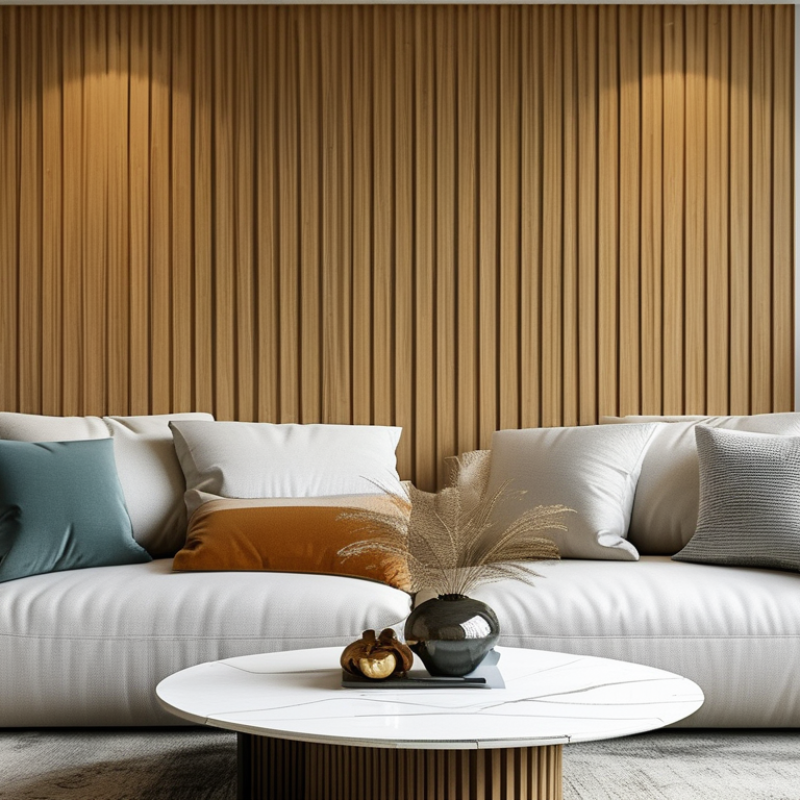
WPC fluted wall panels are gaining attention in sustainable construction. These panels blend wood fibers with recycled plastics, creating a product that is both eco-friendly and durable. In a world where environmental concerns are paramount, using WPC panels fosters sustainable building opportunities. They are not only lightweight, but also exceptionally resistant to moisture, insects, and decay.
When choosing materials for construction, consider the benefits of WPC fluted wall panels. They offer aesthetic versatility and can mimic natural wood with less upkeep. This durability means less frequent replacements, reducing waste. Moreover, these panels are easy to install, which can save on labor costs.
Tips: Always check for certifications that ensure sustainable sourcing. Look for panels that utilize recycled materials. It’s beneficial to assess how these panels fit into your overall design scheme. Realize that while they are durable, they may not be suitable for every climate. Understanding the specific needs of your project can help in making a suitable choice.
Economic Advantages: Cost-Effectiveness and ROI of WPC Fluted Panels
WPC fluted wall panels offer significant economic advantages, making them a top choice for global buyers. These panels combine wood and plastic, resulting in durability and low maintenance costs. Their cost-effectiveness translates to a higher return on investment, especially in commercial spaces where aesthetics matter.
Installation is often quicker than traditional materials, reducing labor costs. Many buyers report satisfaction with the lifespan of WPC panels, which can endure wear and tear better than solid wood. Less frequent replacements contribute to savings.
Tips: Consider local climate conditions before installation. In humid areas, these panels perform well without warping. Take time to evaluate how different finishes might impact costs. Remember, even durable materials require proper care to maximize lifespan. WPC panels can fade in direct sunlight, so factor in your environment when choosing colors.
Durability and Maintenance: Industry Standards for Longevity of WPC Products
WPC fluted wall panels stand out for their durability and low maintenance. In a market where longevity matters, these panels often meet industry standards that ensure extended use. According to recent studies, WPC products can last over 25 years with proper care. They resist warping, splitting, and mold, making them suitable for various environments.
Considering their composition, WPC panels blend wood fiber and plastic, creating a sturdy product. This combination prevents decay that often affects traditional materials. For buyers, this is a vital point. Investing in WPC means fewer replacements and repairs over time. However, it's essential to assess the quality of materials used. Poor-quality WPC can lead to short-term benefits but long-term issues.
Tips: Regular cleaning can extend the lifespan of WPC panels. Just soap and water will often suffice. Also, avoid harsh chemicals that may degrade the surface. Always check manufacturer guidelines for maintenance recommendations to ensure optimal performance. Remember, while WPC panels are durable, not all products are created equal. Conduct diligence before purchasing.
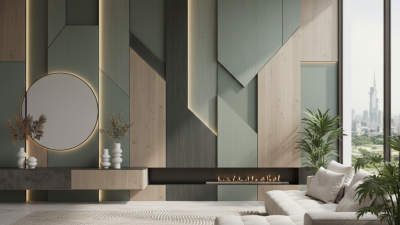
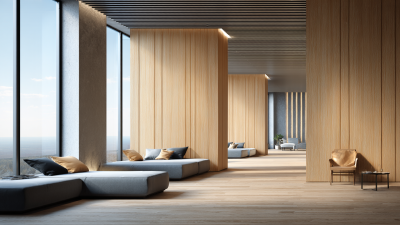
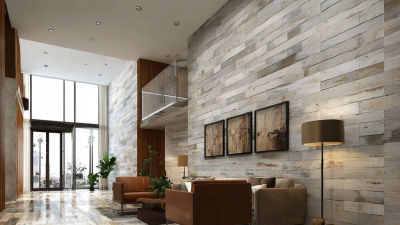
Aesthetic Appeal: Design Flexibility of WPC Fluted Walls in Modern Interiors
WPC fluted wall panels are gaining attention in modern interior design. They offer remarkable aesthetic appeal and design flexibility. These panels come in various finishes and colors, allowing buyers to customize spaces effortlessly. A survey conducted by the International Society of Interior Designers revealed that 72% of design professionals appreciate the versatility of textured wall solutions.
The unique fluted design adds depth and dimension to interiors. Every space, from living rooms to commercial offices, can benefit from this element. Data from recent industry reports indicate that the demand for WPC panels has increased by 35% over the last two years. This growth signifies a shift towards materials that not only provide visual interest but are also eco-friendly.
However, the installation process can sometimes be challenging. Proper alignment and cutting are crucial for achieving the desired effect. Some buyers may feel uncertain about maintenance, as these panels require specific cleaning methods. Understanding these aspects can help potential buyers make informed decisions. Implementing WPC fluted walls can lead to transformative results, but careful planning is essential for success.
Environmental Impact: Recycling and Eco-Friendliness of WPC Materials
WPC, or Wood Plastic Composites, have gained popularity in construction and design for their eco-friendly properties. The environmental impact of WPC materials is noteworthy. These panels are made from recycled wood fibers and plastic. This reduces the need for new materials, which decreases deforestation. It also minimizes plastic waste in landfills.
Using WPC can lower carbon footprints. They have a longer lifespan than traditional wood. This durability means less frequent replacements, leading to lower overall material consumption. However, the production process of WPC still requires energy and resources. It's important to consider the entire lifecycle of these materials.
Many buyers appreciate WPC for its versatility. It can mimic the appearance of wood without the associated environmental costs. There's an increasing demand for sustainable options in construction. While WPC is not without its drawbacks, the benefits for the environment are significant. The focus now should be on improving the production methods to make them even more sustainable.