Top 10 Benefits of WPC Fluted Panels for Your Project?
In the construction and design industry, WPC Fluted Panels are gaining significant attention. Industry expert Dr. Alice Lawson states, “WPC Fluted Panels provide a unique blend of aesthetic appeal and durability.” This innovative material has transformed how architects and designers approach projects.
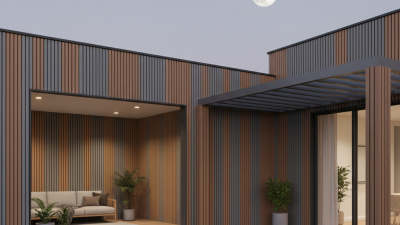
WPC Fluted Panels combine wood and plastic, offering strength and versatility. Their fluted design adds a modern touch, making them perfect for various settings. Whether for indoor applications like walls and ceilings or outdoor uses, these panels stand out. They are weather-resistant and easy to maintain, making them a reliable choice for professionals.
However, as with any material, there are considerations. The initial cost may be higher than traditional options. Potential users should evaluate their specific needs and long-term goals. The benefits often outweigh these concerns, making WPC Fluted Panels a viable investment for modern projects.
Advantages of WPC Fluted Panels in Construction and Design
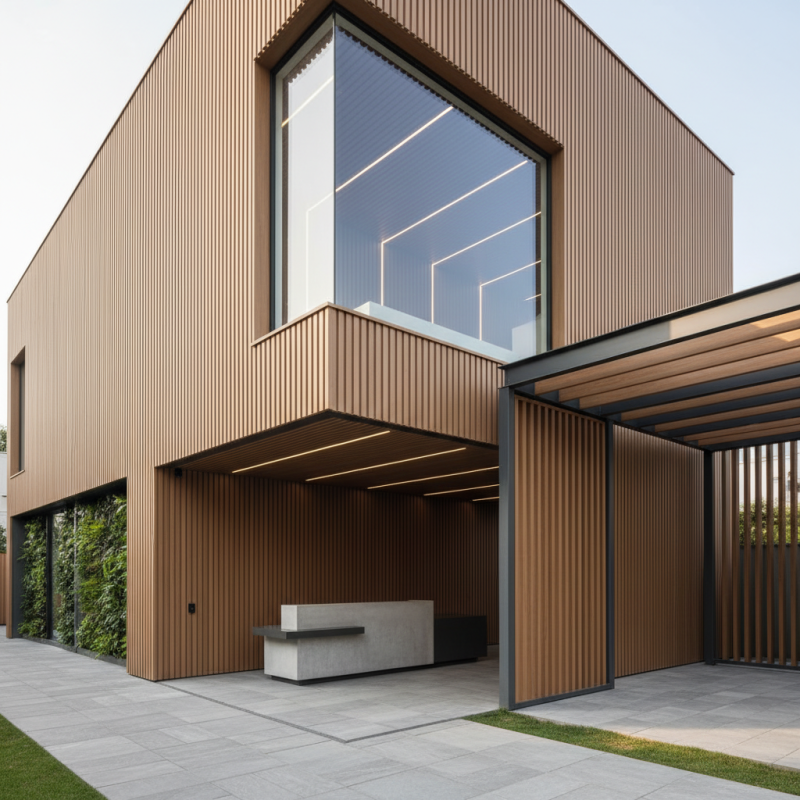
WPC fluted panels offer significant advantages in construction and design. These panels are made from wood-plastic composites, which combine wood fibers and plastics. This blend results in durability and lightweight properties. A recent industry report indicated that WPC materials can reduce construction weight by up to 50%, making them an excellent choice for various building applications.
One notable benefit is their moisture resistance. Traditional wood can warp or swell when exposed to water. In contrast, WPC fluted panels resist decay and maintain structural integrity. This property is vital in humid or wet environments. According to a study by the Wood Polymer Composites Group, WPC panels exhibit a lifespan increase of up to 30% compared to untreated wood options. Furthermore, their versatility in design allows architects to create striking aesthetics without compromising functionality.
However, not all projects may benefit equally from WPC fluted panels. Their initial cost can be higher than traditional materials. Additionally, some users have reported issues with color fading over time, especially in direct sunlight. Despite these drawbacks, many find that the long-term benefits, such as reduced maintenance needs, outweigh the initial challenges. Overall, the versatility and resilience of WPC panels make them a compelling choice for modern building projects.
Environmental Benefits of Using WPC Fluted Panels
WPC fluted panels, made from wood-plastic composites, offer significant environmental advantages. These panels contribute to sustainable construction practices by reducing the demand for virgin timber. According to the Forest Stewardship Council, using composite materials can lower deforestation rates, as they utilize recycled materials.
Furthermore, WPC panels are designed to last. Their durability reduces the need for frequent replacements. A study by the National Institute of Standards and Technology shows that WPC can extend the lifespan of building materials by up to 25%. This longevity not only conserves resources but also minimizes waste in landfills.
Additionally, the energy used to produce WPC is lower than for traditional wood panels. The U.S. Department of Energy reports that WPC production can consume 30% less energy. While production practices vary, the overall environmental footprint is generally more favorable. However, manufacturers must continually improve processes to ensure these panels remain sustainable. By addressing these challenges, the industry can further enhance the ecological benefits of WPC fluted panels.
Durability and Maintenance of WPC Fluted Panels
WPC fluted panels offer incredible durability and ease of maintenance. Made from a blend of wood fibers and plastic, these panels resist moisture, rot, and warping. This makes them ideal for various environments, from humid areas to dry climates. Installing WPC fluted panels can significantly reduce long-term repair costs. Their strong structure withstands daily wear, making them a reliable choice for high-traffic areas.
**Tip:** Regularly clean the panels with mild soap and water. This keeps them looking fresh. Avoid harsh chemicals, as they may damage the surface.
Maintenance is straightforward. Often, a simple rinse will do. Unlike traditional materials, there’s no need for painting or sealing. This benefits both time and resources. However, occasional scratches may occur. They can be easily polished out. Despite their toughness, it’s essential to avoid using sharp objects against the panels.
**Tip:** Try to place protective mats in furniture areas. This prevents unnecessary wear over time. Doing so maximizes the lifespan of your WPC panels.
Aesthetic Versatility of WPC Fluted Panels for Various Projects
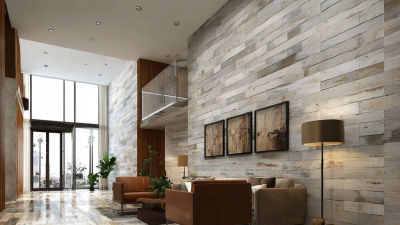
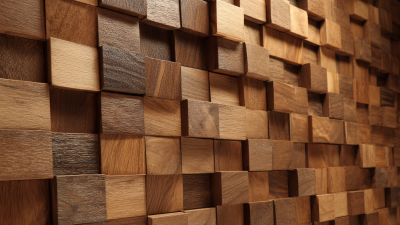
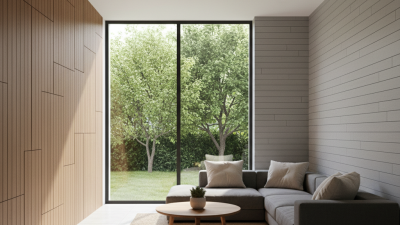
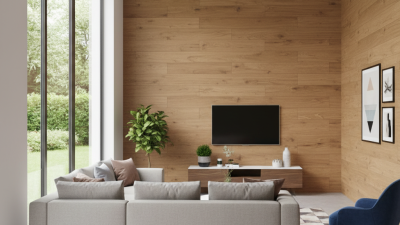
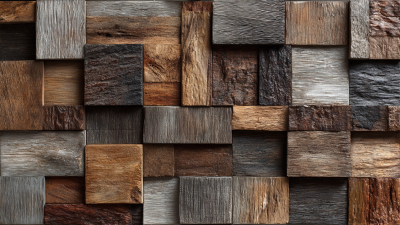
WPC fluted panels stand out for their aesthetic versatility. They can transform a standard space into something extraordinary. The unique fluted design adds depth, shadow, and texture. This makes them ideal for various applications, from residential interiors to commercial buildings. These panels fit seamlessly in modern designs while also enhancing traditional settings.
The color options are diverse, allowing for personalized themes. Whether opting for neutral tones or bold colors, WPC panels can adapt. Their appearance matches different design intentions, from rustic to contemporary. Additionally, these panels can be painted or finished, providing even more customization. It's important to consider the installation process as it can impact the final look.
While WPC panels offer many benefits, it’s essential to think about sustainability. Manufacturing processes might not be eco-friendly, raising questions about their environmental impact. Choosing quality panels can also be a challenge. Some lower-end products may lack durability, which reflects poorly on your project. Nonetheless, when selected carefully, WPC fluted panels can elevate any design while offering long-lasting practicality.
Cost-Effectiveness of WPC Fluted Panels Compared to Traditional Materials
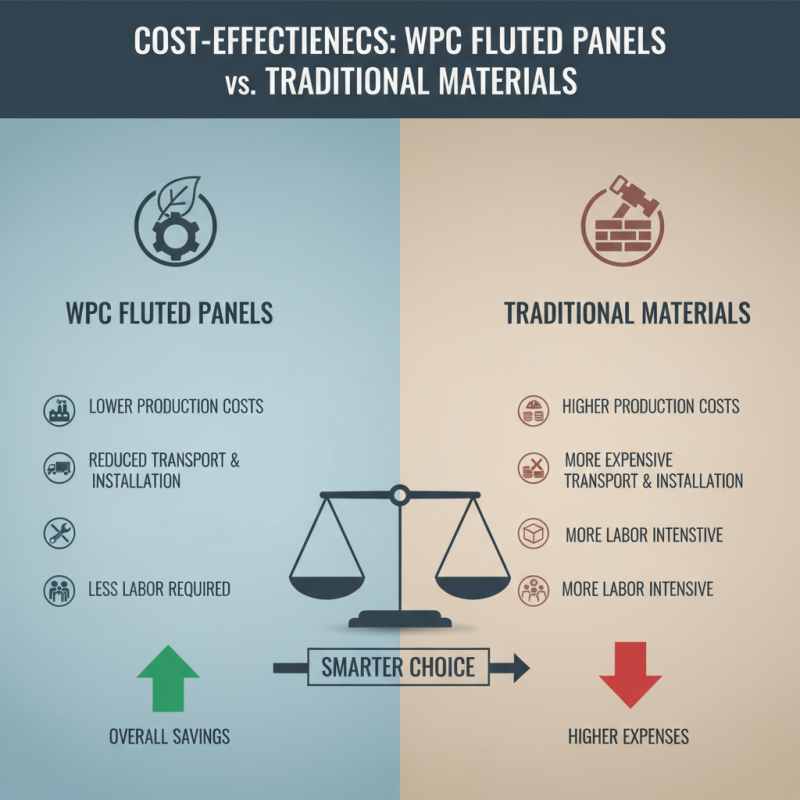
WPC fluted panels offer significant cost advantages over traditional materials. The use of wood-plastic composites reduces production costs. These materials are lightweight, making transportation and installation more affordable. Often, less labor is required to handle and install WPC panels, further saving on labor costs.
In addition to lower upfront costs, WPC panels show exceptional durability. They resist moisture, rot, and corrosion, reducing maintenance expenses over time. Traditional materials like wood often warp or decay, requiring frequent replacements. WPC panels can last years longer, proving their worth in the long run. However, not everyone is familiar with the benefits of these panels, leading to hesitance in adoption.
While there are numerous benefits, it's essential to consider material sourcing. Not all WPC products are created equal. Some may contain low-quality plastics that reduce their lifespan. This inconsistency can affect ongoing project costs. A thorough evaluation of WPC options is vital to ensure reliability and performance. This decision can impact your project's budget and durability.