
Leave Your Message

What Are the Top Types of WPC Wall Panel Boards?

WPC wall panels can look similar at first glance, yet their profiles and surface finishes create different results. For this introduction, the quote below is original editorial wording, not a verified quotation from a real person. It is attributed to a fictional industry specialist, Maya Chen: “Choose the panel by its setting, support, and finish—not by appearance alone.” That practical reminder matters. A narrow slat panel can add vertical rhythm to a hallway, while a broad flat board creates a quieter surface in a living room.

This guide compares the top types of Wpc Wall Panel Board, including solid, hollow, co-extruded, and embossed options. Solid boards feel substantial and can suit areas where impact resistance matters. Hollow boards are lighter, though their support and edge details deserve careful attention. Co-extruded panels have a protective outer layer; textured or embossed boards offer a more pronounced grain effect. Small differences matter.

We will also consider installation needs, cleaning, color variation, and the conditions each panel may face. A sample viewed beside a bright window can look different from the same color under warm indoor lighting. Check the product specifications, recommended fixing method, and warranty before choosing. No single type is best for every project. Some details, such as long-term performance in a specific climate, should be confirmed with the manufacturer rather than assumed.
What Are the Top Types of WPC Wall Panel Boards?

How WPC Wall Panel Boards Are Classified

WPC wall panel boards are commonly classified by core structure, surface design, and installation profile. These categories can overlap, so a product may fit several descriptions at once. Labels alone do not reveal how a panel will perform.

By structure, boards are often described as hollow or solid. Hollow panels are lighter and may suit interior feature walls where low weight matters. Solid boards feel denser and can offer more material around fixings, but they are heavier. Neither type is automatically better; check the intended use and installation instructions. Small details matter.

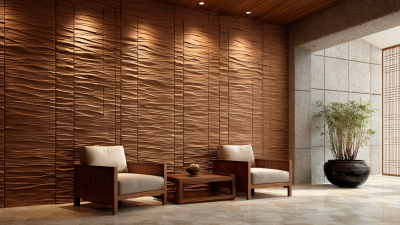
Surface classifications include smooth, embossed, grooved, and wood-grain finishes. A textured face can soften reflections and add visual depth, while grooves create regular shadow lines. Profiles are also named by shape, such as flat, fluted, or interlocking. For exterior use, confirm that the panel is rated for outdoor exposure and follow the specified fixing method. A decorative finish does not prove weather resistance. Classification can be messy. Two boards may look similar on a sample, yet differ in core design, surface layer, or edge connection. Inspecting a full-length piece can reveal details a small swatch hides.

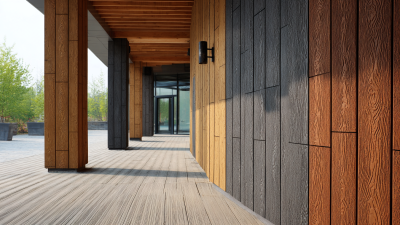
What Are the Main Structural Types of WPC Wall Panels?

WPC wall panels are commonly grouped by their internal structure: hollow-core and solid-core boards. Hollow panels contain channels running lengthwise through the board. This makes them lighter and often easier to carry or cut on site. Their cavities can also reduce material use. Check the edges before installation; thin walls around the channels may be more vulnerable to crushing under concentrated pressure. They are not automatically weak, though. Support spacing, panel thickness, and installation quality all matter.

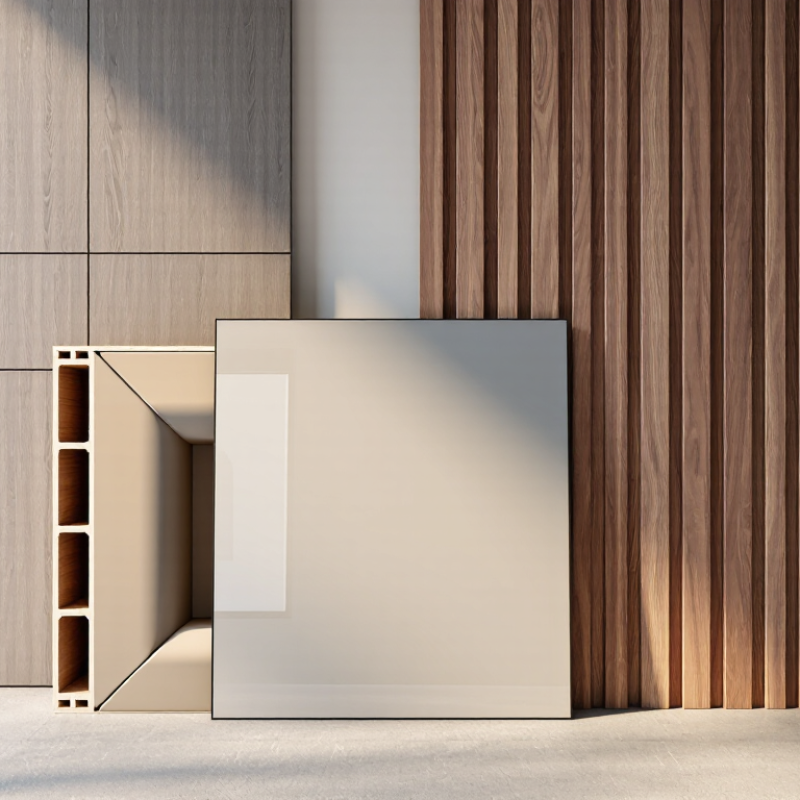
Solid-core panels have a denser section with fewer or no internal voids. They usually feel heavier and can offer better resistance to impact, but they may need stronger framing and careful handling. Some products use a co-extruded outer layer over a WPC core, adding a protective surface; this describes a layered construction rather than a separate core shape. Look at a cut sample, not just the face. A neat surface can hide a structure unsuited to a damp room or a heavily used corridor. And specifications vary. Confirm weight, fixing method, and recommended support spacing with the product data sheet before choosing. The trade-off is rarely as simple as “solid is better.”

What Are the Main Structural Types of WPC Wall Panels?

Hollow-core and solid-core describe the panel’s internal structure. The chart compares common structural features; 1 means present and 0 means absent.

Hollow-core panels typically have internal cavities and supporting webs, while solid-core panels are mostly filled throughout. Co-extrusion describes a protective outer layer and can be used with either core structure.

How Do WPC Panel Profiles and Surface Finishes Differ?

WPC wall panel profiles describe the board’s shape, while finishes describe what the eye and hand meet. Flat boards create a quiet, continuous wall. Slatted or grooved profiles add shadow lines, which can make a narrow hallway feel more structured. Hollow boards are lighter, but their exposed ends need tidy caps. Solid boards feel more substantial, though they add weight. The right choice depends on wall support, room use, and the desired visual rhythm.

Surface finishes range from smooth matte faces to brushed or embossed wood-grain textures. A shallow grain is easier to wipe clean; deeper embossing catches dust in its grooves. Check a sample under side lighting. It reveals raised patterns and color variation that may disappear in a showroom. Small detail. A finish can also feel less convincing up close than it does in a product photo. Grand View Research estimated the global wood-plastic composites market at USD 6.28 billion in 2023, with projected annual growth of 11.2% from 2024 to 2030. That market figure covers multiple applications, not wall panels alone. It signals wider material interest, but it does not prove one profile or finish performs best. Ask for care guidance and inspect edge quality before choosing.

What Are the Top Types of WPC Wall Panel Boards? — How Do WPC Panel Profiles and Surface Finishes Differ?

Panel Type or Profile Typical Construction and Shape Common Surface Finishes Typical Advantages Points to Consider
Hollow-core panel Has internal cavities or ribs running through the board, often with a tongue-and-groove or interlocking edge. Smooth, embossed wood grain, brushed, or matte. Usually lighter than a comparable solid board and can be easier to handle and install. Check the fixing method and edge details; exposed cavities may need matching end caps or trim.
Solid-core panel Has a denser, more continuous core rather than large internal voids. Profiles include flat boards and shaped slats. Wood-grain embossed, brushed, smooth, or low-gloss. Offers a substantial feel and can provide better resistance to local impacts than many lightweight hollow profiles. Typically heavier and may require more support. Performance depends on the board composition and installation system.
Co-extruded panel A WPC core is formed with a bonded outer polymer layer, sometimes called a protective cap. It can be made in hollow or solid profiles. Often textured or embossed to imitate wood grain; smooth and matte options are also available. The outer layer can improve resistance to staining, moisture, and surface wear compared with an uncoated WPC surface. Co-extrusion describes the layered construction, not the panel shape. Confirm the product’s intended indoor or outdoor use.
Flat or tongue-and-groove board A relatively flat-faced board, commonly joined edge-to-edge with tongue-and-groove or another concealed fixing detail. Smooth, fine-grain embossed, or brushed finishes. Creates a clean, continuous wall appearance and is suitable for many straightforward cladding layouts. Check expansion gaps, corner trims, and whether the joint detail is designed for the installation environment.
Fluted or slatted profile Has repeated raised ribs, grooves, or separated slat-like faces. The pattern may be formed in one panel or assembled from individual pieces. Commonly wood-grain embossed or brushed; some designs use a smooth, painted-look surface. Adds linear texture and shadow, and can create a decorative feature wall without a separate applied pattern. Grooves collect dust more readily than flat faces. Confirm whether the profile is intended for walls, ceilings, or both.
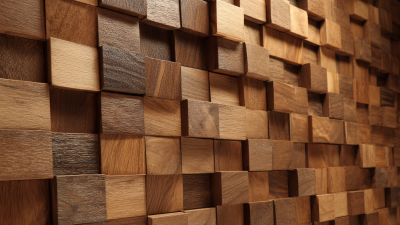
3D or deep-relief profile Features a pronounced raised, recessed, or geometric face, such as repeated waves or angular patterns. Usually embossed, textured, or matte to emphasize the relief. Creates a strong visual effect and changes the appearance of the wall as lighting shifts. Deep relief can make cleaning more involved and may require careful alignment during installation.
Printed or laminated decorative panel Uses a decorative surface layer or printed pattern over a WPC-based board; the core profile may be flat, hollow, or otherwise shaped. Printed wood, stone, or other decorative patterns, often with a smooth or lightly textured feel. Provides a wider choice of colors and visual patterns than a single molded texture. Surface-layer construction varies. Check abrasion, moisture, and cleaning guidance for the specific product.

How to compare: Panel type describes the core or construction, profile describes the board’s shape, and finish describes the visible surface texture or layer. These features can be combined in different ways. Confirm the manufacturer’s technical data for dimensions, fixing requirements, fire rating, and suitability for the intended location.

Which WPC Wall Panel Types Suit Indoor and Outdoor Use?

What Are the Top Types of WPC Wall Panel Boards?

Which WPC Wall Panel Types Suit Indoor and Outdoor Use?

Indoor WPC panels often have lightweight hollow cores and decorative grooves, making them practical for bedrooms, living rooms, and dry hallways. For kitchens or bathrooms, choose panels specifically rated for humid conditions; water-resistant does not mean waterproof. A 2023 Grand View Research report valued the global wood-plastic composites market at USD 7.1 billion. That growth signals wider adoption, but it does not prove every panel suits every room. Small details matter.

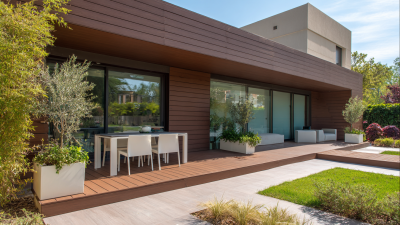
For outdoor walls, select exterior-grade panels with UV protection and clear installation guidance. Co-extruded panels have a protective outer layer, while solid profiles can offer greater impact resistance. Both still need proper drainage, ventilation, and room to expand with temperature changes. Check the product’s stated exposure, fixing method, and maintenance requirements before installation. One weak point: attractive surface samples rarely show how a panel performs after years of sun and rain.

Tips: Match the panel to the exposure, not just its appearance. Ask for test data on UV stability, moisture, and temperature cycling. Keep the manufacturer’s installation sheet; even a good board can fail when fixed too tightly.

How to Compare WPC Wall Panel Types for a Project?

Compare WPC wall panels by construction, exposure, and installation—not appearance alone. Hollow-core boards weigh less and simplify handling, but their edges need careful support. Solid boards feel more substantial and may resist knocks better, though they add weight and can cost more. Fluted faces create strong shadow lines; flat profiles are easier to wipe clean. Small differences matter.

For damp or sunlit locations, compare capped, co-extruded panels with uncapped boards. A protective outer layer can improve resistance to staining and fading, but it does not make every panel waterproof. Check the manufacturer’s test data for water absorption, color stability, expansion, and fire performance. The U.S. Forest Products Laboratory’s Wood Handbook explains how moisture and temperature changes affect wood-based materials; WPC formulations differ, so request product-specific results.

Fit matters too. Confirm panel dimensions, fixing method, expansion gaps, substrate requirements, and whether trims are available. Grand View Research’s 2024 Wood Plastic Composites Market report estimated the global market at about US$7.3 billion in 2023, with projected annual growth of 11.6% through 2030. That signals a growing category, not equal quality across products. I still find comparisons easy to oversimplify. A sample installed beside a window can reveal glare, texture, and joint visibility better than a brochure.