Top 5 Wall Covering Panel Options for Global Buyers?
When it comes to enhancing interior spaces, the choice of wall coverings is crucial. According to Sarah Johnson, a renowned expert in the Wall Covering Panel industry, “The right wall panels can transform the feel of any room entirely.” Wall covering panels offer unique aesthetics and practical benefits. From simple designs to elaborate textures, the market is abundant with choices that cater to diverse tastes.
The growing demand for wall covering panels reflects shifting design trends. Businesses and homeowners seek durability along with style. Options range from wood, metal, fabric, to sustainable materials. Each type brings its own personality to an environment. Yet, as preferences evolve, some buyers might overlook crucial factors like maintenance and longevity. It’s essential to balance beauty with practicality.
Navigating this landscape can be challenging. Not every panel suits every space. Reflecting on specific needs and environments is vital for making informed decisions. In a world full of options, prioritizing quality and reliability in wall covering panels ensures a lasting impression. Так что, выбирайте внимательно!
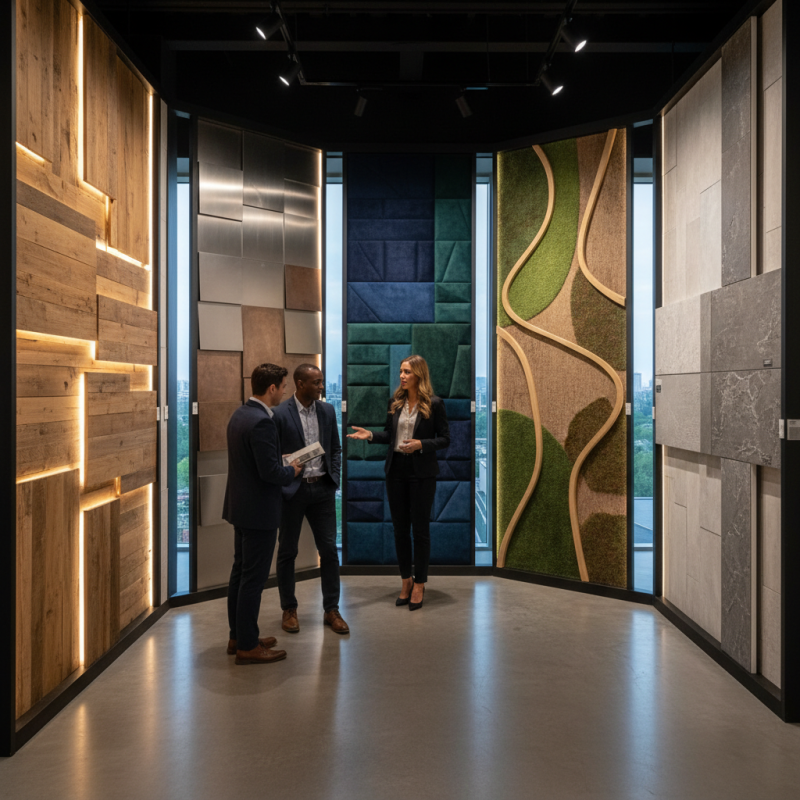
Top 5 Wall Covering Panel Options for Global Buyers
When considering wall covering panels, a variety of options can suit diverse preferences. Natural wood panels provide warmth and texture. They create a cozy atmosphere. However, they require regular maintenance to prevent warping and fading.
Another popular choice is vinyl panels. These materials are known for their durability and easy installation. Ideal for high-traffic areas, vinyl panels resist moisture well. Yet, they can sometimes lack the aesthetic appeal of natural materials.
For a modern look, glass panels can add a sleek touch. These panels reflect light beautifully, making spaces feel larger. However, they can be prone to scratches and may require specialized cleaning techniques. Bamboo panels present an eco-friendly option. They are lightweight and renewable. Yet, they may not be as durable as other materials, which is crucial to consider. Ultimately, selecting the right wall covering panel requires a balance between aesthetics and practicality.
Top 5 Wall Covering Panel Options for Global Buyers
| Panel Type |
Material |
Thickness |
Finish |
Price Range (per sq. ft.) |
| Acoustic Panels |
Fiberglass |
1-2 inches |
Fabric-wrapped |
$3 - $6 |
| Vinyl Wall Panels |
Vinyl |
0.5-1 inch |
Textured |
$2 - $4 |
| Wood Panels |
Natural Wood |
0.25-0.75 inches |
Stained/Polished |
$5 - $10 |
| 3D Wall Panels |
PVC |
0.5-1 inch |
Glossy |
$7 - $12 |
| Ceramic Tiles |
Ceramic |
0.25 inches |
Glazed |
$4 - $8 |
Overview of Wall Covering Materials and Their Applications
Wall coverings play a crucial role in modern interior design. They vary widely in materials and applications. Popular options include vinyl, wood, fabric, and metal. According to a recent market report, the global wall covering market is expected to reach $35 billion by 2025. This growth is driven by increasing urbanization and demand for aesthetic designs.
Vinyl wall coverings are favored for their versatility and ease of maintenance. They are suitable for high-traffic areas, offering durability and a wide range of designs. In contrast, wood paneling exudes warmth and sophistication. However, wood requires regular maintenance and may not be suitable for humid environments. Each material has strengths and weaknesses that impact design choices.
Fabric wall coverings add texture and coziness. They often contribute to better acoustics but can be challenging to clean. Metal panels provide a sleek, modern look but may require specialized installation. With so many options, buyers must weigh aesthetics against practicality. Understanding the right material for specific projects can lead to better outcomes. An informed choice enhances both functionality and beauty in a space.
Key Factors to Consider When Choosing Wall Covering Panels
When selecting wall covering panels, several critical factors come into play. A key consideration is the material. Reports indicate that preference for sustainable materials is rising, with over 60% of buyers looking for eco-friendly options. This is not just about aesthetics; it reflects an increasing awareness of environmental issues and consumer demands for sustainable choices.
Durability is another vital element. Many experts recommend materials like vinyl or composite wood. Such materials can withstand wear and tear, making them ideal for high-traffic areas. Interestingly, studies show that durable wall panels can last up to 15 years or more, reducing long-term costs.
Aesthetic considerations can't be overlooked. Buyers often seek panels that complement their design vision. Trends indicate that textured and patterned panels are becoming popular, reflecting a desire for more dynamic spaces. However, the challenge lies in balancing trends and timeless design. Many buyers tend to overcommit to current styles, potentially leading to quick obsolescence. It’s crucial to reflect on personal style preferences while considering future trends.
Top 5 Wall Covering Panel Options for Global Buyers
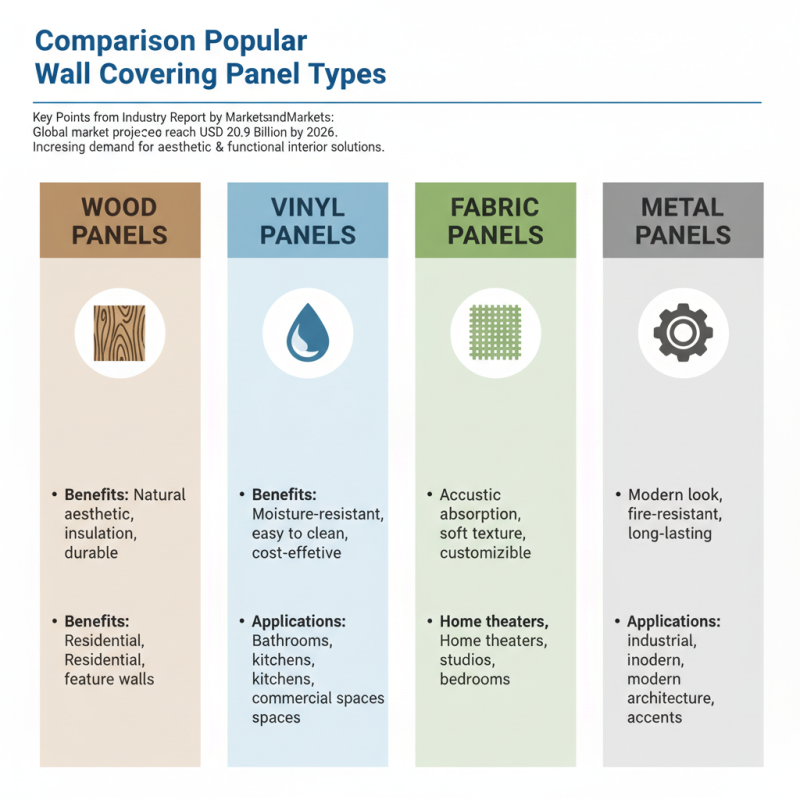
Comparison of Popular Wall Covering Panel Types
When selecting wall covering panels, buyers face several choices. The most common types are wood, vinyl, fabric, and metal panels. Each material has unique benefits and applications in various environments. According to a recent industry report by MarketsandMarkets, the global market for wall covering materials is projected to reach USD 20.9 billion by 2026, reflecting an increasing demand for aesthetic and functional interior solutions.
Wood panels offer a warm, natural look that is hard to replicate. Their acoustic properties are excellent, making them suitable for spaces requiring sound insulation. However, they can be costly and may require regular maintenance to prevent deterioration. Vinyl panels, on the other hand, are affordable and highly versatile. They are resistant to moisture, making them ideal for high-humidity areas like bathrooms. Yet, they can lack the authentic look that some buyers desire.
Fabric wall coverings provide texture and warmth, enhancing the visual experience of any room. They can improve indoor air quality when treated properly. However, they are susceptible to stains and require special cleaning methods. Metal panels are highly durable and can achieve a modern look. Yet, they might echo sounds rather than absorb them, which can be challenging in sensitive environments. Each option carries its own challenges and advantages, making the selection process critical for achieving the desired ambiance and functionality.
Sustainability and Trends in Wall Covering Panel Design
The wall covering panel industry is experiencing a significant shift toward sustainability. Recent reports indicate that 70% of consumers prioritize eco-friendly materials. Manufacturers must adapt to these changing preferences to remain competitive. As a result, using recycled or sustainable materials increases consumer trust and brand loyalty.
Trends show a rise in natural fibers, like bamboo and jute. These materials not only reduce environmental impact but also add a unique aesthetic to spaces. Furthermore, innovation in production techniques ensures that the look and feel of panels do not compromise quality. The market for sustainable wall coverings is projected to grow by over 15% annually through 2025, emphasizing the importance of aligning with consumer values.
Yet, achieving sustainability is a challenge. Sourcing responsibly is complex and costly. Many manufacturers struggle with transparency in their supply chains. This can lead to skepticism among consumers who seek authentic commitments to sustainability. The industry must strive for greater accountability while embracing innovative designs. The objective is to find a balance between aesthetics, function, and environmental responsibility.
Conclusion
This article explores the top five wall covering panel options available for global buyers, providing a comprehensive overview of wall covering materials and their diverse applications. It emphasizes key factors to consider when selecting wall covering panels, such as durability, aesthetic appeal, and ease of maintenance. A comparison of popular panel types highlights their unique advantages and suitability for different environments.
Furthermore, the article discusses sustainability trends in wall covering panel design, advocating for eco-friendly materials that meet contemporary design needs. Lastly, it offers insights into the global market landscape for wall covering panels, assisting buyers in making informed decisions that align with current market demands and preferences.