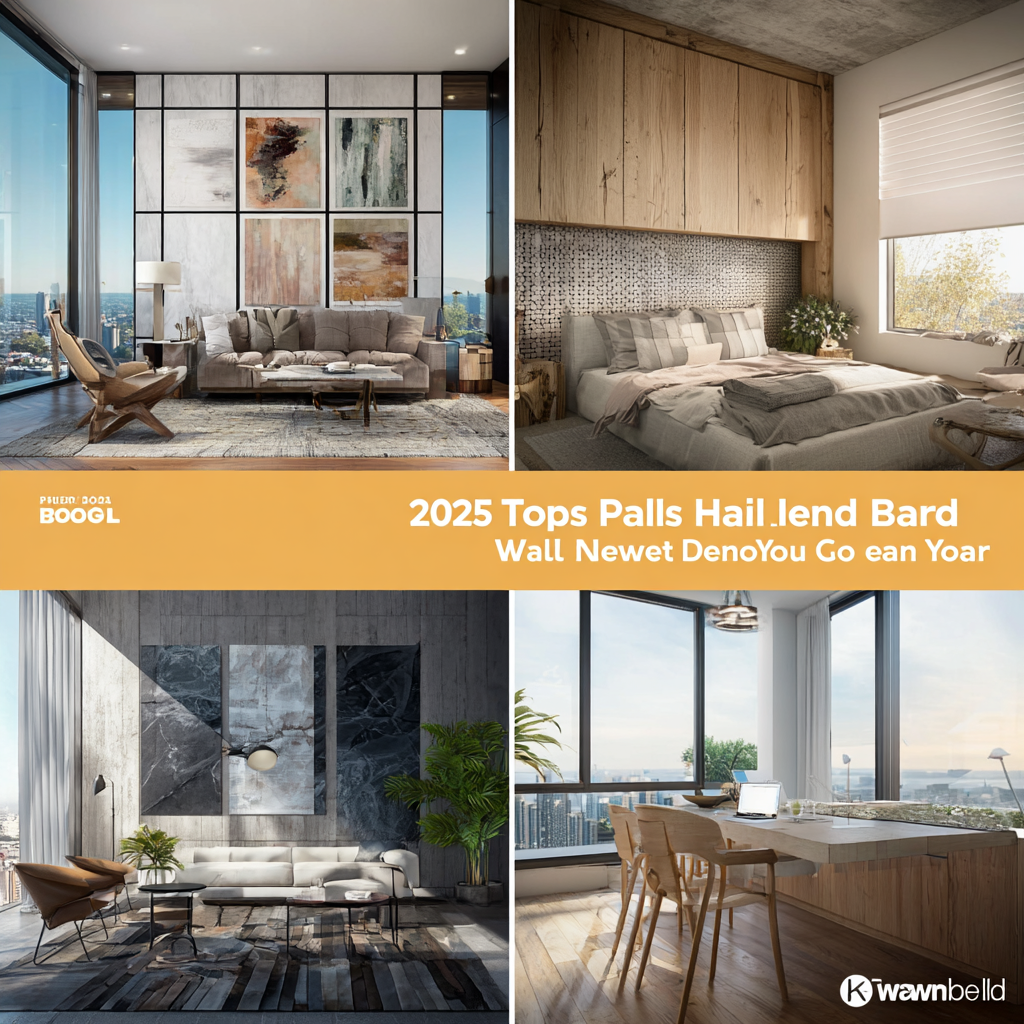
2025 Top 5 Wall Panel Board Designs You Need to Know
As we step into 2025, the world of interior design continues to evolve, embracing innovation and creativity. One area that has gained significant attention is the use of wall panel boards, which not only enhance the aesthetics of a space but also add functional benefits. From residential homes to commercial buildings, wall panel boards have become a staple in modern design, offering versatility and style that can complement any décor.
In this article, we will explore the top five wall panel board designs that are set to dominate in 2025. These designs reflect current trends while also showcasing timeless elements that appeal to a wide range of tastes and preferences. Whether you’re looking to revamp a living room, create an inspiring office environment, or elevate the ambiance of a retail space, knowing the latest wall panel board styles will inspire your next project. Join us as we delve into the fascinating world of wall panel boards and discover the designs you need to know for a stunning and contemporary interior.
Innovative Material Choices for Wall Panel Boards in 2025
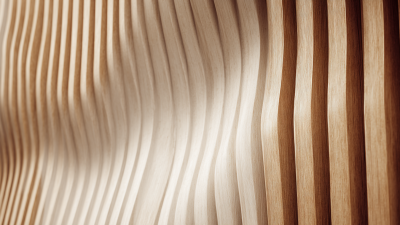
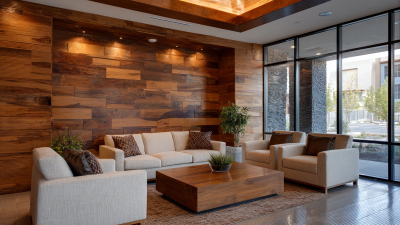
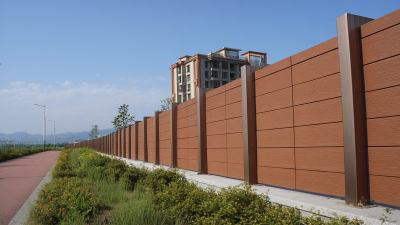
As we approach 2025, wall panel board designs are evolving significantly, driven by innovative material choices that enhance aesthetics and functionality. One of the standout trends is the use of sustainable materials, such as bamboo and reclaimed wood, which not only offer a unique visual appeal but also align with growing environmental consciousness. These materials not only reduce the ecological footprint but also provide durability and resilience, making them ideal for both residential and commercial applications.
Another trend gaining traction is the incorporation of
high-tech materials like thermoplastic and acoustic panels. These advanced options not only improve sound insulation but also allow for customizable textures and finishes, providing designers with the flexibility to create unique environments. Additionally, the use of composite materials that combine lightweight properties with high strength helps in minimizing installation challenges while maximizing design potential. As we look forward to 2025, these innovative material choices will
redefine wall panel boards, setting new benchmarks in
design and sustainability.
Sustainable Design Trends for Eco-Friendly Wall Panels
As we move into 2025, the emphasis on sustainable design trends in wall panel boards is more critical than ever. With the growing demand for eco-friendly materials in residential and commercial spaces, the market for sustainable building materials is projected to exceed $301.6 billion by 2024. This growth is fueled by consumers and businesses increasingly prioritizing green building solutions, as demonstrated by an anticipated compound annual growth rate (CAGR) of 11.9% from 2025 to 2034.
Innovative wall panel designs are embracing this eco-conscious shift. Sustainable materials such as reclaimed wood, bamboo, and recycled composites are top choices for environmentally responsible interior design. These materials not only contribute to a lower carbon footprint but also enhance the aesthetic appeal of living spaces. By incorporating such trends, homeowners can achieve personalized and creative interiors that reflect their values and commitment to sustainability, adapting to the fast-paced modern lifestyle while ensuring comfort and safety.
2025 Top 5 Wall Panel Board Designs You Need to Know
| Design Style |
Material |
Sustainability Features |
Color Options |
Application Areas |
| Bamboo Panels |
Bamboo |
Rapidly renewable, low carbon footprint |
Natural Brown, Charcoal |
Residential, Commercial |
| Recycled Wood Panels |
Reclaimed Wood |
Uses waste materials, carbon storage |
Rustic Brown, Grey |
Interior Accent Walls |
| Cork Panels |
Cork |
Renewable resource, sound insulation |
Beige, Dark Brown |
Home Offices, Studios |
| Recycled Plastic Panels |
Recycled Plastics |
Diverts waste from landfills, durable |
Various Colors |
Outdoor Spaces, Garages |
| Textile Wall Panels |
Natural Fabrics |
Eco-dyes, less energy-intensive |
Muted Tones, Bright Accents |
Theaters, Conference Rooms |
Creating Visual Impact: Color and Texture Combinations
When it comes to wall panel board designs, the interplay of color and texture is paramount in creating visual impact.
According to a report by the Research Institute for Interior Design, colors can affect mood and perception;
for example, warm tones like reds and oranges not only stimulate energy but also enhance attention, making them ideal for spaces meant to inspire creativity and productivity.
Meanwhile, the combination of varied textures—like a matte finish paired with a glossy surface—can add depth and dimension, transforming a flat space into a dynamic environment.
In 2025, expect to see innovations such as acoustic wall panels that marry functionality with aesthetics.
The Global Trade Association for Wall and Ceiling Industry noted that textured acoustic panels not only reduce noise but also offer a plethora of design possibilities,
encouraging designers to experiment with patterns and textures. By incorporating these elements thoughtfully, designers can create environments that resonate with users on
both visual and emotional levels, thus elevating the overall experience in residential and commercial spaces alike.
Smart Wall Panel Solutions: Integrating Technology into Design
As wall panel designs continue to evolve, integrating technology into these solutions becomes increasingly essential. Smart wall panels are at the forefront of this evolution, blending aesthetics with functionality to create immersive environments. These panels often incorporate features such as LED lighting, touch-sensitive controls, and built-in speakers, allowing users to manipulate their surroundings effortlessly. Designers are now focusing on creating seamless interfaces that not only serve practical purposes but also enhance the overall visual appeal of a space.
One innovative approach is the use of IoT-enabled panels that can connect with various smart home devices. This integration provides homeowners with enhanced control over lighting, sound, and even climate within a room. Imagine adjusting your wall panel to shift colors based on your mood or using it to display information and artwork via a connected digital frame. As technology becomes more integrated into design, the possibilities for personal expression and efficiency are expanded, making smart wall panel solutions a must-have in modern interiors.

DIY Installation Tips for Modern Wall Panel Boards
When it comes to modern wall panel boards, DIY installation can be both enjoyable and rewarding. To start, you’ll need to gather the right tools and materials. A measuring tape, level, utility knife, and adhesive are essential for most wall panel projects. Ensure your workspace is clear, and always measure twice to avoid costly mistakes. Selecting the right panel type is equally important—consider options such as MDF or wood veneer depending on the aesthetics you are aiming for in your space.
Before installation, prepare your walls by cleaning them thoroughly and repairing any imperfections. For adhesive-mounted panels, apply the glue evenly on the back of the panel to ensure a firm bond. If you’re using nails or screws, pre-drill holes to prevent splitting the wood. Starting from a corner and working your way out can create a clean and organized look. Finally, finish your project with caulking to fill any gaps and achieve a seamless appearance, enhancing the beauty of your newly installed wall panel boards.
2025 Top 5 Wall Panel Board Designs