Top 10 WPC Wall Panels for Global Buyers in 2026?
As the construction industry continues to evolve, WPC wall panels are gaining traction among global buyers. According to a recent market research report by Statista, the WPC wall panel market is expected to reach USD 1.5 billion by 2026, with an annual growth rate of 12.5%. This growth is driven by increasing demand for sustainable building materials. Experts believe WPC wall panels offer impressive durability and aesthetic appeal, ensuring they meet modern architectural trends.
Dr. Emily Carter, a leading industry analyst with over 15 years of experience, stated, "WPC wall panels combine the best of natural and synthetic materials, providing both versatility and environmental benefits." These panels are made from a mix of wood fibers and plastic composites, which contribute to their low-maintenance nature. However, buyers should approach the selection process with caution. Not all WPC products are created equal, and quality can vary widely across manufacturers.
In an ever-competitive market, it's crucial to prioritize the sourcing of high-quality WPC wall panels. Addressing potential concerns about durability and environmental impact can significantly influence purchasing decisions. Ultimately, being informed and discerning will empower buyers to make better choices in a fast-evolving landscape.
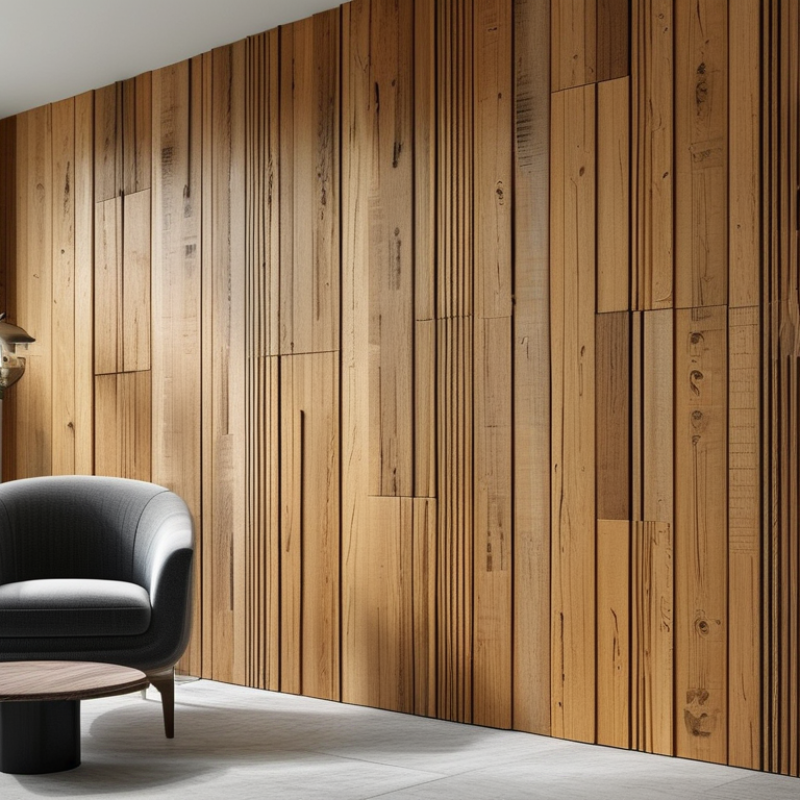
Overview of WPC Wall Panels and Their Benefits
WPC wall panels, a blend of wood and plastic composites, have gained popularity globally. They are known for their durability, resistance to moisture, and ease of maintenance. According to a report by Grand View Research, the global WPC market is expected to reach $10 billion by 2026. This surge in demand highlights the growing preference for sustainable and cost-effective building materials.
One notable benefit of WPC wall panels is their versatility in design. They can mimic the look of natural wood without the drawbacks. This gives architects and designers the freedom to create unique interiors. Furthermore, they are lightweight and easier to install compared to traditional materials. In a survey conducted by Smithers Pira, 78% of contractors acknowledged the speed of installation as a significant advantage for WPC panels.
Despite their advantages, WPC panels are not without challenges. Some users have reported issues related to color fading over time. Others have pointed out that not all panels are recyclable. As the industry grows, manufacturers need to address these concerns. Continuous innovation is essential to improve product performance and sustainability. Addressing these weaknesses will be crucial for maintaining consumer trust in WPC technology.
Key Trends Influencing WPC Wall Panel Demand in 2026
In 2026, the demand for WPC wall panels will be shaped by several key trends. Sustainability is a major driving force. According to a recent industry report, nearly 70% of buyers prefer eco-friendly materials. WPC products, made from recycled wood and plastic, align perfectly with this trend. This shift highlights the industry's commitment to environmental stewardship.
Another influencing factor is the growing trend of urbanization. As more people move to cities, the need for efficient, durable building materials increases. WPC wall panels provide excellent insulation and weather resistance, making them ideal for urban environments. Reports suggest that the urban construction sector will grow by 5% annually through 2026. This surge will spur demand for innovative materials that enhance aesthetic appeal and functionality.
Tips for buyers: Always consider the product’s lifecycle. Seek out panels that offer durability without compromising on style. It's essential to compare different options meticulously, as not all WPC panels are created equal. In this evolving market, staying informed is key. Monitor trends regularly to ensure your choices align with industry best practices.
Top 10 WPC Wall Panel Manufacturers and Their Innovations
WPC wall panels are gaining popularity as an innovative building material. They integrate wood and plastic, creating a durable and eco-friendly choice. Many manufacturers are pioneering advancements in design and functionality. This trend shows a commitment to quality and sustainability.
Innovative features such as water resistance and easy installation make WPC panels desirable. Some manufacturers are utilizing recycled materials for their products. This choice enhances sustainability while ensuring durability. However, not all innovations deliver the promised results. Sometimes, reliance on new technology can compromise the traditional aspects of wall panels.
**Tip:** Consider the manufacturing process when selecting WPC panels. Understanding the materials used can impact both quality and environmental footprint. Look for companies that prioritize transparency in their practices.
**Tip:** Always check for certifications. This can indicate a manufacturer's commitment to quality and sustainability. Investing time in research ensures you choose reliable options for your projects.
Comparison of Aesthetics and Durability Among WPC Wall Panels
In 2026, the demand for WPC wall panels is expected to rise significantly. A recent industry report indicates a projected market growth of 8% annually for WPC products. This growth stems from their versatility and increasing aesthetic appeal. WPC panels come in various designs, mimicking natural wood, stone, and other textures. This variety allows buyers to choose styles that fit both modern and traditional spaces.
Durability is a key factor when comparing WPC wall panels. Many studies show that WPC panels offer superior resistance to moisture and humidity compared to conventional materials. They are less prone to warping or cracking, making them ideal for varied climates. An interesting observation is that while WPC panels can mimic the look of wood, they outperform natural wood in longevity and maintenance. However, buyers should consider the potential fading of colors under direct sunlight, which can be a downside.
The aesthetics of WPC panels are undoubtedly impressive. Options can easily blend into indoor and outdoor settings. Some panels have textured surfaces that enhance realism. Yet, there can be inconsistencies in the finish that may not meet every buyer's expectations. This emphasizes the importance of checking product samples beforehand. Overall, buyers should weigh aesthetic preferences against durability needs and be mindful of potential trade-offs.
Top 10 WPC Wall Panels for Global Buyers in 2026 - Comparison of Aesthetics and Durability
| Panel Type |
Aesthetic Appeal |
Durability Rating (1-10) |
Color Options |
Average Price ($ per sq ft) |
| Classic Wood Finish |
High-End Realistic Look |
9 |
Oak, Walnut, Maple |
3.50 |
| Textured Stone |
Modern Industrial Aesthetic |
8 |
Gray, Beige, Charcoal |
4.20 |
| Glossy Finish |
Sleek and Contemporary |
7 |
Black, White, Custom Colors |
5.00 |
| Rustic Barn Style |
Cozy Vintage Look |
8 |
Red, Brown, Beige |
3.00 |
| Eco-Friendly Bamboo |
Natural and Modern |
9 |
Natural, Light, Dark |
4.50 |
| Vinyl Look-alike |
Affordable Versatile Options |
6 |
Various Patterns |
2.75 |
| Luxury Composite |
High-End Finish |
10 |
Emerald, Sapphire, Ruby |
6.00 |
| Decorative Panels |
Artistic and Unique |
7 |
Custom Designs |
5.50 |
| Wall Cladding |
Sleek Finish |
8 |
Cream, Tan |
4.00 |
| Shiplap Design |
Charming and Timeless |
9 |
White, Grey |
3.80 |
Sustainability and Environmental Impact of WPC Wall Panels
WPC (Wood Plastic Composite) wall panels are gaining traction in construction due to their environmental benefits. Recent studies indicate that production of WPC panels can reduce carbon emissions by up to 60% compared to traditional building materials. This is largely attributed to the use of recycled plastics and wood fibers, which minimizes waste and promotes sustainability.
Furthermore, WPC panels often outlast conventional materials. They can withstand moisture, rot, and insects, which reduces the need for replacements. A report from the Green Building Council revealed that buildings utilizing WPC materials can significantly cut energy consumption, reporting savings of about 30% in heating and cooling costs.
Despite these advantages, challenges remain. Not all WPC products are created equal, and some may not meet environmental standards. This inconsistency raises questions about their overall impact. As global buyers look to 2026, understanding lifecycle assessments and certifications will be crucial in choosing sustainable options. Scrutinizing the sourcing and manufacturing processes will ensure a more informed purchase, supporting better environmental choices.
Top 10 WPC Wall Panels for Global Buyers in 2026
This chart illustrates essential sustainability factors of WPC wall panels projected for 2026. Key metrics include the percentage of recycled materials, carbon footprint per square meter, energy consumption, biodegradability, and expected durability, showcasing their environmental impact and performance.