Top Wall Panel Board Trends for 2026 What You Need to Know
As we look toward 2026, the realm of interior design is set to experience significant changes. One of the most prominent trends is the use of Wall Panel Boards. These boards are not just functional; they are a creative outlet that adds character to any space. With the rise of sustainable materials and innovative designs, Wall Panel Boards are taking center stage.
In recent years, the versatility of Wall Panel Boards has been recognized by both designers and homeowners. These boards can transform a simple room into a stylish haven. They offer a wide range of textures, colors, and styles, making personalization easy. However, with so many options, choosing the right Wall Panel Board can be overwhelming. It's essential to consider factors like durability, aesthetic appeal, and the overall design concept of your space.
As we anticipate the trends for 2026, the emphasis on eco-friendly materials continues to grow. A shift toward sustainability is palpable in the design community. Wall Panel Boards made from recycled or responsibly sourced materials will gain popularity. Yet, the journey of selecting the perfect board requires careful thought and reflection. Balancing style with practicality poses a challenge, but it also opens up new realms of creativity.
Emerging Materials in Wall Panel Board Designs for 2026
As we look toward 2026, wall panel board designs are evolving with exciting new materials. Eco-friendly options are at the forefront. According to a recent industry report, the demand for sustainable materials has increased by 25% since 2020. Designers now favor products made from recycled wood and bioplastics. These materials not only reduce environmental impact but also meet consumer preferences for greener living spaces.
Another emerging trend is the use of high-performance composites. Lightweight and durable, these materials offer better insulation and soundproofing. Recent studies indicate that buildings using these composites can save up to 30% in energy costs. However, there are challenges. The upfront costs can be higher, raising questions for budget-conscious projects. Yet, the long-term savings and performance benefits often justify the investment.
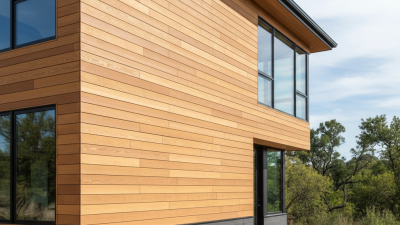
Innovative textures and finishes are gaining popularity. Natural finishes mimic wood grain while providing moisture resistance. These designs appeal to aesthetics and functionality. Yet, some consumers may struggle to choose among the wide array. Balancing design with practicality is often a complex decision. The industry must continue to conduct research and education efforts to support informed choices in this growing market.
Sustainability Trends Impacting Wall Panel Board Manufacturing
Sustainability is transforming wall panel board manufacturing in significant ways. As environmental concerns rise, manufacturers are prioritizing eco-friendly materials. This shift promotes the use of recycled resources and reduces waste. Sustainable sourcing is not just a trend; it's becoming an industry standard. Companies now aim to minimize their carbon footprints through efficient production practices.
Innovative technologies are also making a difference. Advances in manufacturing techniques allow for the use of renewable energy. Solar and wind power are increasingly integrated into production lines. However, not all manufacturers are keeping pace. Some still rely on outdated methods, which can hinder progress. Environmental regulations are pushing the industry to adapt, yet gaps remain.
Consumers are more conscious of sustainability. This awareness drives demand for greener options. They seek products that reflect their values. Companies face pressure to showcase their sustainability efforts. Transparency in sourcing and production is essential. As the industry evolves, there will be challenges to overcome. Addressing these issues will require collaboration and commitment from all stakeholders involved.
Innovative Aesthetics: Colors and Patterns for Future Wall Panels
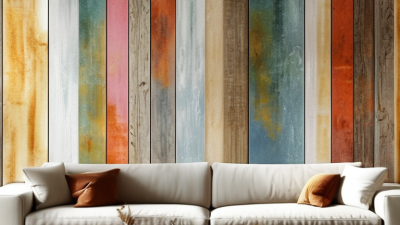
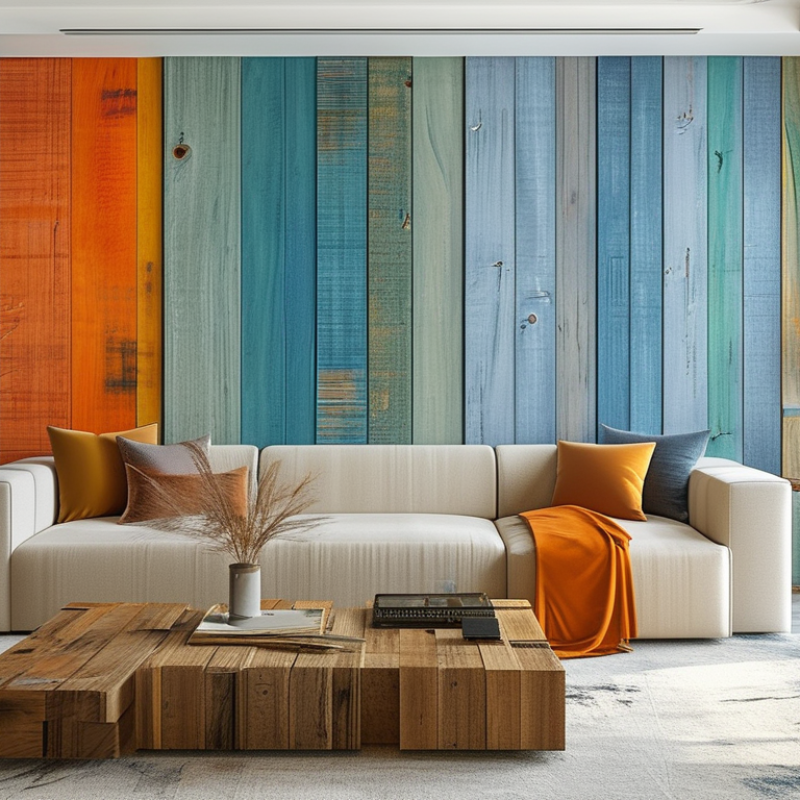
As we look forward to 2026, wall panel designs are evolving rapidly. The focus on innovative aesthetics is shaking up traditional concepts. Colors and patterns will dominate future wall panels, creating immersive spaces. Expect softer, earthy tones paired with bold accents. These unique combinations will energize any room, blurring the lines between comfort and creativity.
Patterns are becoming more daring as well. Geometric designs and abstract motifs will take center stage. Textures will play a crucial role too. Think of panels that mimic natural elements like wood and stone. However, achieving the right balance is essential. Overused patterns can overwhelm a space and detract from overall harmony.
While experimenting with colors and patterns, it’s crucial to consider functionality. Some designs may show wear and tear faster. Sustainability will also be a significant aspect as eco-friendly materials trend upwards. The challenge lies in selecting not just visually appealing options, but also those that last.
Technological Advancements Shaping Smart Wall Panels
The landscape of wall panel technology is evolving quickly. Recent studies indicate that smart wall panels could dominate the residential and commercial markets by 2026. These panels are increasingly integrated with IoT technology. They allow users to control lighting, temperature, and even security systems. A report by MarketsandMarkets predicts a projected growth rate of 21.9% for smart building technologies from 2021 to 2026. This trend highlights how essential these innovations will become.
Moreover, the incorporation of sustainable materials in wall panels is gaining traction. Studies show that 60% of consumers prefer eco-friendly building materials. This demand influences manufacturers to adopt green technologies for production. Smart panels equipped with energy-efficient features can significantly reduce overall energy consumption. Additionally, the adaptation of these panels to aesthetic preferences is noteworthy. Customizable interfaces can create profound personalization in interior spaces, empowering homeowners to express their style.
However, challenges remain. Some consumers struggle with the complexity of using smart technology. Accessibility issues may lead to frustration, especially among older populations. Addressing these barriers is imperative for broader acceptance. In conclusion, understanding the technological advancements shaping smart wall panels will be crucial for designers and homeowners alike. Keeping an eye on these trends can inform smarter choices in the future.
Market Predictions: Consumer Preferences for Wall Panels in 2026
As we approach 2026, consumer preferences for wall panels are evolving significantly. A growing focus on sustainability is evident. Many consumers now prioritize eco-friendly materials that reduce their environmental footprint. This shift is not just a trend but a reflection of broader environmental concerns. Homeowners are increasingly selecting options made from recycled or natural materials.
Textured finishes are gaining traction, appealing to those who seek visual interest in their spaces. People want more than flat, monotonous surfaces. They are opting for designs that evoke warmth and personality. Along with texture, versatile colors are essential. Shades that mimic natural elements, like wood and stone, will continue to dominate. However, the challenge lies in balancing aesthetic preferences with function and durability.
Technological integration is also significant. Smart wall panels that can adjust lighting or improve energy efficiency are attracting attention. However, this technology must not compromise the traditional appeal of wall design. Some consumers feel overwhelmed by choices, leading to indecision. Finding the right blend of innovation and comfort is a crucial step for manufacturers. Staying attuned to these evolving preferences will be vital for success in the wall panel market.