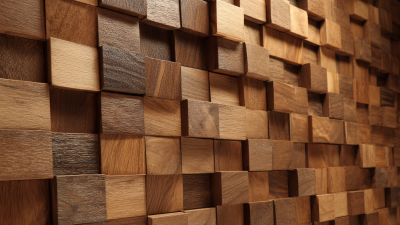
Why Choose Wpc Wood Wall Panel for Your Next Project?
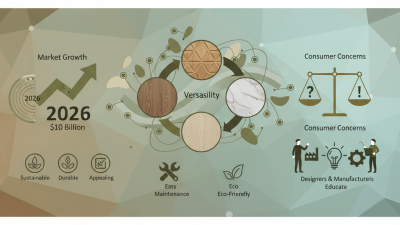
Wpc Wood Wall Panel has steadily gained popularity in the construction and design industries. Recent studies show that the global demand for WPC materials is expected to reach approximately $7.5 billion by 2027. This surge is fueled by the increasing preference for sustainable building materials. WPC is recognized for its durability and resistance to moisture, making it an ideal choice for various environments.
In terms of applications, Wpc Wood Wall Panel is versatile. It suits both residential and commercial projects. Many architects appreciate its aesthetic options, as it mimics natural wood while providing enhanced durability. However, there are some considerations. Installation can be complex, and improper setup may lead to issues. It’s crucial for professionals to weigh these factors.
Industry reports highlight the need for quality assurance when selecting Wpc Wood Wall Panel. Not all products are created equal, and some may not meet necessary standards. Buyers should conduct thorough research and choose reputable manufacturers. The benefits can be significant, but attention to detail is essential for achieving long-term satisfaction.
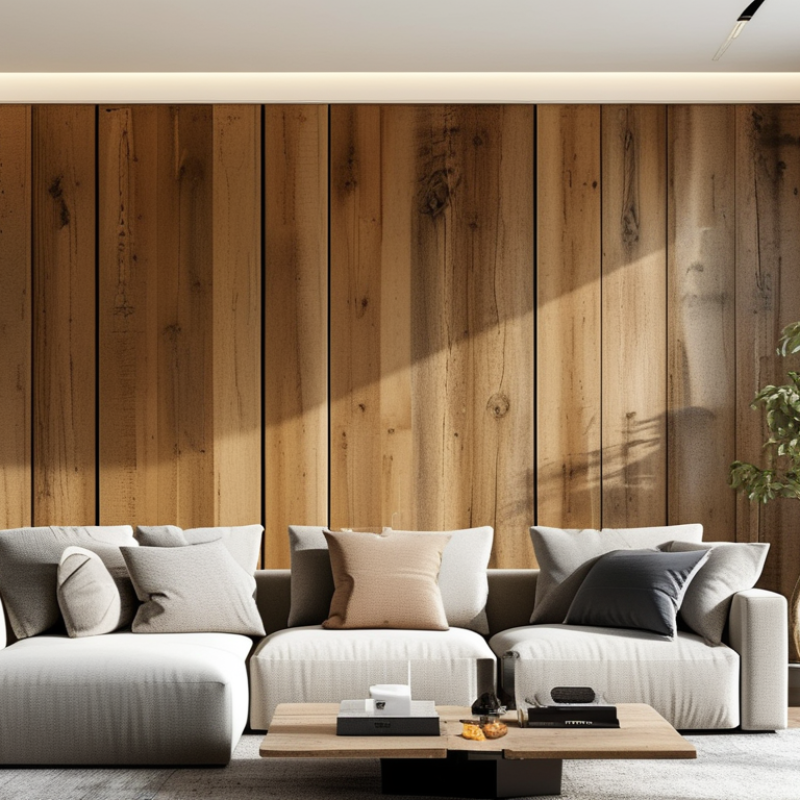
Benefits of Using WPC Wood Wall Panels in Construction Projects
WPC wood wall panels are increasingly popular in construction projects for several compelling reasons. These panels combine wood fibers with thermoplastics, offering an innovative approach to building materials. The durability of WPC panels is one of their standout features. According to a recent industry report, WPC panels can last up to 25 years with proper maintenance, significantly outpacing traditional wood options.
Moreover, WPC wood wall panels are known for their resistance to moisture and pests. This characteristic is particularly beneficial in humid environments where wood is prone to rot and insect damage. A study from the Building Materials Association highlights that areas using WPC materials saw a 30% reduction in maintenance costs compared to those using traditional wood. However, some projects did face challenges in sourcing sustainable WPC, raising questions about long-term ecological impact.
Another advantage is the versatility of WPC wall panels in design and application. They come in various textures and colors, suitable for both residential and commercial spaces. A survey conducted by the Architectural Woodwork Institute found that 78% of architects preferred using WPC for projects requiring both aesthetics and functionality. Despite these benefits, some contractors expressed concerns over the initial higher cost of WPC materials. Balancing upfront costs with long-term benefits remains a critical consideration for project managers.
Key Features of WPC Wood Wall Panels That Enhance Durability
WPC wood wall panels stand out for their remarkable durability. They combine wood fibers and thermoplastics, which enhances their strength. This composition prevents warping, cracking, and splitting. In high-moisture areas, these panels resist water damage. Unlike traditional wood, WPC panels do not swell or rot quickly.
The surface of WPC panels is often designed to mimic natural wood. This gives them an aesthetically pleasing look without the maintenance issues. Cleaning is simple; a quick wipe with a cloth is usually enough. However, users should be cautious of using harsh chemicals, as they can damage the surface. It's a good idea to regularly inspect the panels for minor scratches and scuffs, addressing them early before they worsen.
Another key feature is their resistance to pests. Unlike real wood, WPC panels do not attract termites or other wood-boring insects. This can reduce the long-term maintenance costs. However, some may find they need to adjust their installation method, as not all fastening systems work perfectly with WPC materials. It's vital to follow proper guidelines to ensure a strong, lasting installation.
Eco-Friendly Aspects of WPC Wood Wall Panels for Sustainable Building
WPC wood wall panels are gaining popularity in sustainable building projects. These panels combine wood fiber and recycled plastic, creating a robust and eco-friendly alternative to traditional materials. According to a report from the Green Building Council, using WPC can reduce carbon emissions by up to 40% compared to conventional wood products. This is crucial as the construction industry is responsible for a significant portion of global carbon emissions.
When selecting materials for construction, sustainability should be a priority. WPC panels are durable and require less maintenance, which can lower long-term costs. They are resistant to moisture, insects, and decay, making them a practical choice for various climates. In fact, a study found that buildings utilizing WPC materials have a longer lifespan and better energy efficiency. Opting for such materials supports eco-friendly practices in building and renovation projects.
**Tip:** Always ensure proper installation of WPC panels to maximize their lifespan. Regular inspections can help identify wear or damage early, extending the panels' usability. Consider combining WPC with other sustainable techniques, like energy-efficient designs, for enhanced environmental benefits.
Why Choose Wpc Wood Wall Panel for Your Next Project? - Eco-Friendly Aspects of WPC Wood Wall Panels for Sustainable Building
| Aspect |
Description |
Benefits |
| Sustainability |
Made from recycled materials, reducing waste. |
Contributes to environmental conservation. |
| Durability |
Resistant to moisture, insects, and rot. |
Long-lasting performance reduces replacement costs. |
| Aesthetic Appeal |
Available in various colors and textures. |
Enhances the beauty of any space. |
| Ease of Installation |
Lightweight and easy to handle. |
Saves time and labor costs during installation. |
| Low Maintenance |
Requires minimal upkeep compared to traditional wood. |
Reduces long-term maintenance expenses. |
Design Versatility: Aesthetic Options with WPC Wood Wall Panels
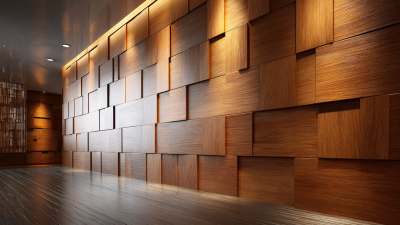
WPC wood wall panels offer a remarkable design versatility that appeals to various aesthetic preferences. These panels combine wood fiber and plastic, providing a realistic wood appearance with added durability. According to a report by the Wood Products Council, nearly 70% of designers favor materials with lower maintenance needs, and WPC panels fall right into this category. They resist moisture, making them suitable for both indoor and outdoor projects.
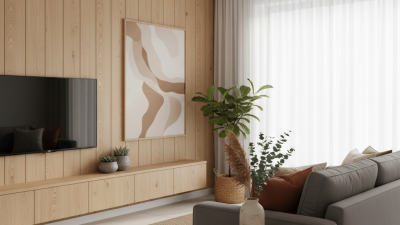
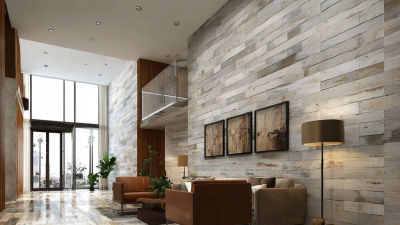
Homeowners and builders can choose from a wide range of colors, textures, and finishes. This flexibility allows for creative expression in commercial and residential spaces. Data from the International Interior Design Association shows that over 60% of interior designers appreciate products that can be customized. WPC panels meet this demand, offering options that suit farmhouse styles, modern minimalism, or rustic charm.
However, some may find it challenging to choose the right style. The broad selection can lead to decision fatigue, making it hard to select the best match for a project. Additionally, not all WPC panels are created equal; variations in quality can influence their performance and appearance. Careful consideration of material sources and specifications is essential when investing in these panels.
Cost-Effectiveness of WPC Wood Wall Panels Compared to Traditional Materials
WPC wood wall panels offer significant cost advantages over traditional materials. Made from a composite of wood fibers and plastic, they provide durability without the high price tag of natural wood. Their resistance to rot and decay reduces maintenance costs over time, a crucial factor for budget-conscious projects.
Installation costs are also lower. WPC panels are lightweight, allowing easier handling and quicker installation. Traditional materials often require more labor and time, inflating overall project expenses. Homeowners and builders can save substantially on labor fees.
However, some may question the aesthetic appeal of WPC compared to solid wood. The finish and texture can vary, which may not suit every design preference. It’s important to evaluate your project's specific needs. Balancing cost-effectiveness with quality and appearance is key.
Cost-Effectiveness of WPC Wood Wall Panels Compared to Traditional Materials