What is Wpc Decor Wall Panel Benefits and Uses?
In recent years, the popularity of Wpc Decor Wall Panel has surged. This innovative material combines wood and plastic to create a stunning visual impact. Homeowners and designers alike are drawn to its versatility and durability. According to John Smith, a renowned expert in interior design, "Wpc Decor Wall Panel redefines modern aesthetics, offering beauty with a sustainable edge."
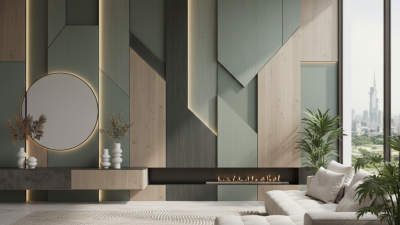
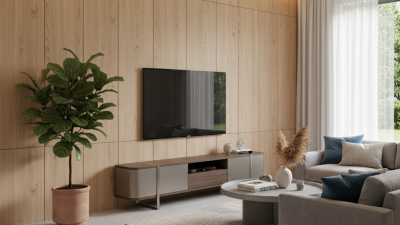
The benefits of using Wpc Decor Wall Panels are extensive. They are water-resistant and easy to maintain, making them ideal for areas prone to moisture. The panels come in various textures and colors, allowing for creative freedom. Many have noted that these panels can reduce installation costs due to their lightweight nature. A well-designed wall using Wpc Decor can transform a dull space into a focal point.
However, it is essential to consider some potential downsides. The price point can be higher than traditional materials, which may deter some buyers. Additionally, the installation process requires skilled labor for the best results. Despite these challenges, the advantages of Wpc Decor Wall Panels are significant, and they present an exciting opportunity in modern design. Exploring their uses and benefits reveals a pathway to enhancing living spaces creatively and sustainably.
Benefits of WPC Decor Wall Panels in Interior Design
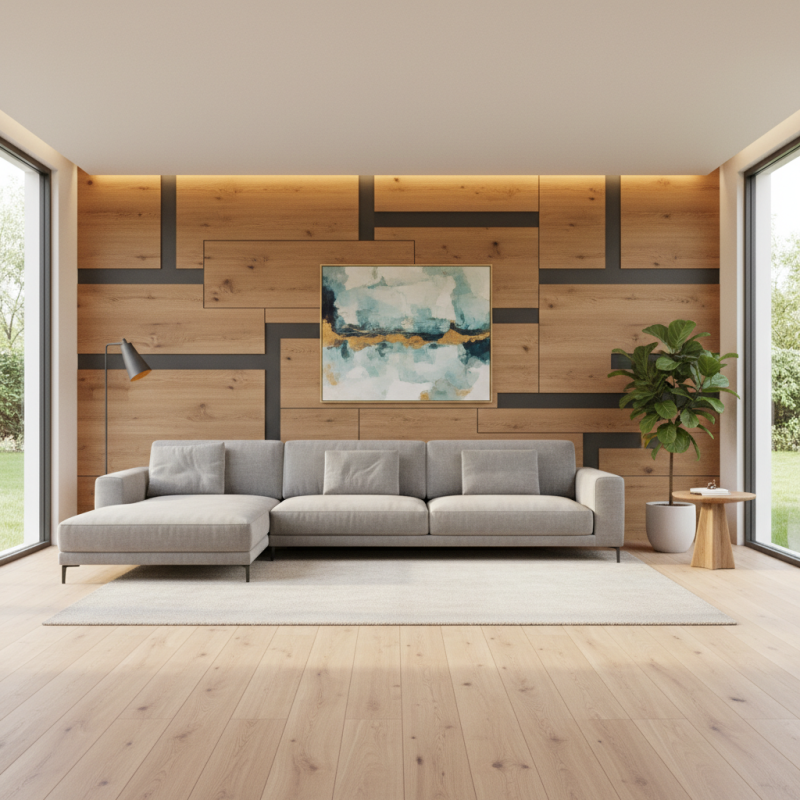
WPC (Wood Plastic Composite) decor wall panels offer a unique blend of aesthetics and functionality. In interior design, they stand out for their durability and design versatility. According to a recent industry report, the market for WPC materials is expected to grow by 10.5% annually until 2025, highlighting their rising popularity.
One major benefit of WPC decor wall panels is their resistance to moisture and pests. Traditional wood can warp or attract insects, but WPC materials offer a long-lasting option. They are also easy to clean, making them ideal for kitchens or bathrooms. An analysis by the Building Research Establishment shows that using WPC in interiors can lower maintenance costs by 30% over time.
For those considering WPC panels, here are a few tips. Choose colors and textures that complement your existing decor. Light hues can make a space feel larger, while darker tones add warmth. Also, consider the panel installation; uneven walls may require extra preparation. This will ensure a polished look.
Keep in mind that, while WPC panels are durable, they are not entirely immune to scratches. Regular maintenance is necessary to preserve their appearance. Reflect on the balance between aesthetics and practical use when selecting materials. Integrating WPC decor wall panels can elevate your interior design while providing reliable performance.
Environmental Sustainability of WPC Materials
WPC (Wood Plastic Composite) materials are notable for their environmental sustainability. They are made using recycled wood fibers and plastic, which reduces waste and lowers reliance on virgin resources. According to the Wood Plastic Composite Market Report, nearly 60% of WPC materials can consist of recycled content. This means a significant reduction in carbon footprint compared to traditional materials.
When discussing sustainability, durability is another significant factor. WPC panels are resistant to moisture, rot, and insects, thereby extending their lifespan considerably. The average lifespan of a WPC panel can reach up to 25 years, making it a cost-effective option over time. This longevity leads to fewer replacements and reduced waste headed to landfills.
Tip: Consider using WPC materials in your next project for an eco-friendly option. Additionally, keep in mind that while WPC offers several benefits, it’s crucial to choose products that meet environmental certifications. Not all WPC products are created equal, and thorough research is essential.
Another area needing reflection is the processing of WPC. While recycling is beneficial, the energy used in production can sometimes be high. This results in an environmental impact that warrants consideration. Understanding both sides is necessary for making informed choices about materials.
Comparative Advantages of WPC Panels over Traditional Materials
WPC (Wood Plastic Composite) panels present significant advantages compared to traditional materials like plywood or solid wood. These panels are crafted from a blend of wood fibers and thermoplastics, resulting in a product that is durable and versatile. According to a report by Grand View Research, the global WPC market is expected to reach USD 9.1 billion by 2027, driven by growing demand for sustainable building materials.
WPC panels are resistant to moisture, which reduces the risk of warping and mold growth. Interestingly, a study by the Forest Products Laboratory indicates that traditional wood products absorb moisture, leading to dimensional changes. This makes WPC an ideal choice for humid environments. Additionally, WPC panels require less maintenance. Traditional materials often need frequent sanding and refinishing, while WPC only needs occasional cleaning with soap and water.
Another key advantage is environmental sustainability. WPC panels incorporate recycled materials, lowering reliance on virgin wood resources. According to a study by the American Institute of Architects, about 30% of building materials could be sourced sustainably. However, there are concerns regarding the long-term recyclability of WPC. As industries evolve, the challenges of recycling these composites must be addressed. Understanding these factors is crucial when choosing materials for construction or renovation projects.
Benefits and Uses of WPC Decor Wall Panels
Installation and Maintenance of WPC Decor Wall Panels
WPC (Wood Plastic Composite) decor wall panels are gaining traction in modern interior design. They combine the durability of plastic with the natural beauty of wood. Correct installation is key to ensuring their longevity and appeal. Professionals recommend starting with a clean, dry surface. This prevents moisture issues that could compromise the panel's integrity. A survey indicated that nearly 70% of installation failures stem from improper wall preparation.
Maintenance of WPC wall panels is relatively simple. They are resistant to rot, mold, and insects, making them an attractive option for humid environments. Regular cleaning with a mild detergent and water is often sufficient. However, it’s important to avoid harsh chemicals that can degrade the material. Interestingly, research shows that using protective coatings can enhance the lifespan of these panels by up to 20%. Yet, some users report a need for periodic assessments to check for scratches or fading, which can affect aesthetics over time.
While WPC wall panels offer many advantages, imperfections can occur during installation or use. For instance, some users noticed minor warping in high-heat areas. These experiences highlight the importance of thorough installation guidance and site-specific assessments. Continuous innovation in the WPC sector aims to address these challenges, providing a more reliable solution for homeowners and builders alike.
What is Wpc Decor Wall Panel Benefits and Uses? - Installation and Maintenance of WPC Decor Wall Panels
| Benefit/Use |
Description |
Installation Method |
Maintenance Tips |
| Durability |
Highly resistant to moisture and termites. |
Can be installed using adhesive or nails. |
Clean with a damp cloth; avoid abrasive cleaners. |
| Aesthetic Appeal |
Available in various designs and colors. |
Dry-fit panels before securing for alignment. |
Regular dusting and occasional wiping needed. |
| Eco-Friendly |
Made from recycled materials, reducing waste. |
Follow manufacturer guidelines for efficient fitting. |
Use non-toxic cleaners to preserve the environment. |
| Cost-Effective |
Lower maintenance costs in the long run. |
Estimate and budget for materials before starting. |
Inspect regularly for wear and tear; repair if needed. |
| Sound Insulation |
Helps in reducing noise levels in interiors. |
Mount securely to improve sound absorption. |
Check for any gaps that might diminish sound insulation. |
Applications of WPC Wall Panels in Various Settings
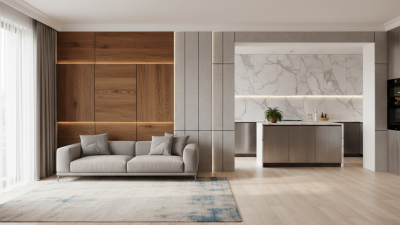
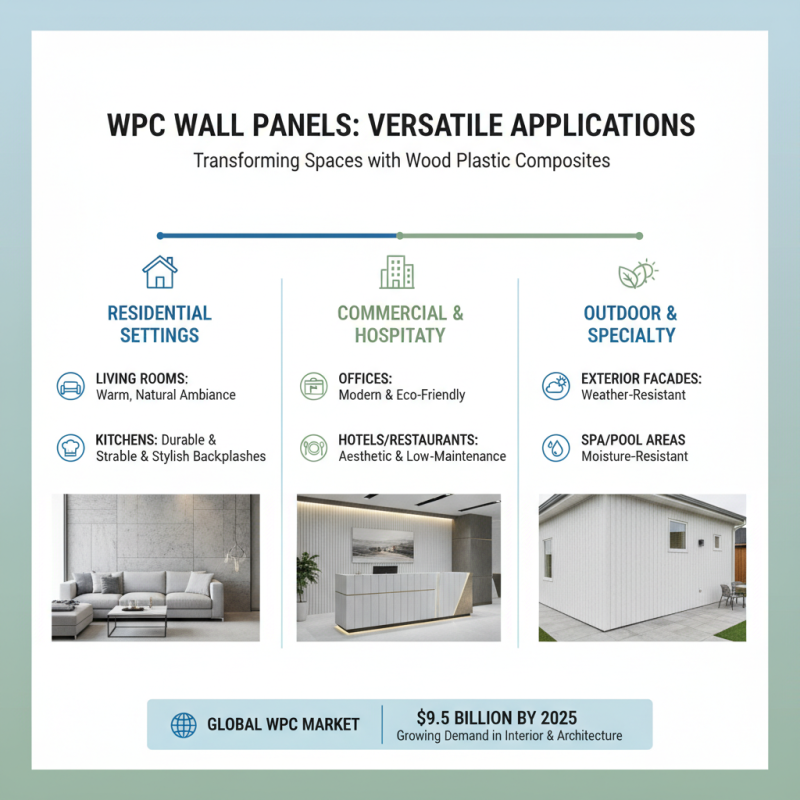
WPC (Wood Plastic Composite) wall panels are gaining traction in various settings due to their versatility and aesthetic appeal. These panels are commonly used in residential applications, such as living rooms and kitchens, where a warm, natural look is desired. According to industry reports, the global WPC market is expected to reach $9.5 billion by 2025, showcasing growing demand in interior design and architecture.
In commercial spaces, WPC panels serve as attractive and durable wall coverings. They are ideal for restaurants, hotels, and office environments. These environments often require materials that can withstand wear and tear while providing a polished look. The ease of installation and maintenance further encourages their usage. Yet, some projects may suffer from a lack of experience in integrating WPC effectively into existing designs.
Public buildings can also benefit from WPC wall panels. Their moisture-resistant properties make them suitable for high-humidity areas like bathrooms or poolside facilities. However, there are challenges in ensuring that the panels are installed correctly to maximize their lifespan. Overall, while the benefits of WPC wall panels are clear, careful consideration is essential to avoid common pitfalls in project management.