Why Choose Wpc Fluted Panel for Your Next Project?
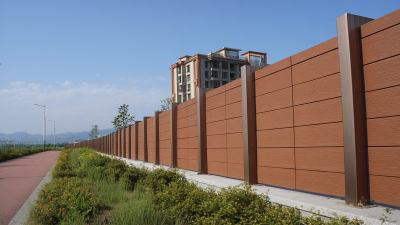
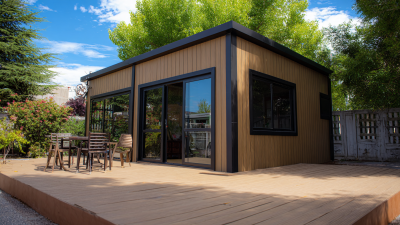
When considering materials for your next project, Wpc Fluted Panel stands out as a durable and versatile option. This innovative panel combines wood and plastic, creating a unique product that is both strong and lightweight. Its fluted design adds an aesthetic touch, making it suitable for various applications, from interior designs to outdoor structures.
Using Wpc Fluted Panel can significantly enhance the appeal of any space. This material offers excellent resistance to moisture, UV rays, and pests. However, selecting the right color and texture requires careful thought. You may find that some options do not align with your vision. Reflection on what truly fits your design will lead to better choices.
Sustainability is another reason to choose Wpc Fluted Panel. It is eco-friendly, made from recycled materials. Yet, it’s essential to research the suppliers. Not all products are created equal. Ensuring that you source high-quality panels will ultimately impact your project's success. Always question what you choose for your design needs.
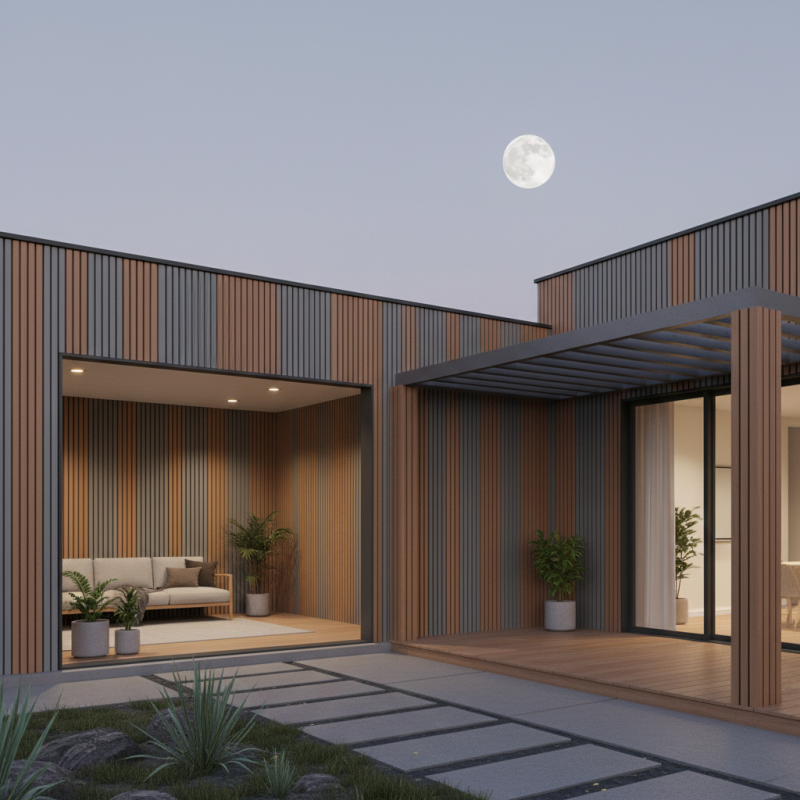
Benefits of WPC Fluted Panels in Modern Architecture
WPC fluted panels are gaining popularity in modern architecture. These panels blend wood and plastic, offering numerous benefits. Their durability is one of the key advantages. They resist moisture, insects, and decay. This means they last longer than traditional wood, reducing the need for frequent replacements.
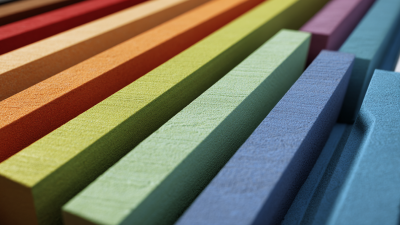
Another benefit is their aesthetic appeal. WPC fluted panels come in various colors and textures. This versatility allows architects to create unique designs that stand out. The fluted texture adds depth and character to spaces. However, achieving the perfect match with other materials can be tricky. It requires careful planning and attention to detail.
WPC panels are eco-friendly too. They often use recycled materials in their production. This contributes to sustainability in architecture. Despite these advantages, they may not suit every project. For instance, extreme weather conditions can affect their performance. Selecting the right material requires thoughtful consideration. Balancing aesthetics, durability, and environmental impact is essential.
Durability and Maintenance Advantages of WPC Fluted Panels
WPC fluted panels stand out for their outstanding durability. Made from a blend of wood fibers and plastic, they resist moisture, rot, and termites. Unlike traditional wood, these panels do not warp over time. This characteristic makes them ideal for both indoor and outdoor projects. The distinct grooves add a modern touch while serving a functional purpose.
Maintenance is another significant advantage. WPC fluted panels require minimal upkeep. A simple wash with soap and water is usually enough. There’s no need for painting or sealing, which saves time and cost. However, some users may notice discoloration over time. Regular cleaning can prevent this, but it’s an area needing attention.
When selecting materials, it’s essential to consider the long-term implications. WPC panels offer a strong, appealing option, but they also come with weight. The installation might be more challenging than traditional panels. Reflecting on these aspects can help ensure a better choice for your project’s needs.
Durability and Maintenance Advantages of WPC Fluted Panels
Design Versatility: Customization Options for WPC Fluted Panels
WPC fluted panels offer unmatched design versatility for a variety of projects. Their unique texture creates depth, enhancing any space. These panels come in different sizes and colors. Customization allows for specific patterns that can match your vision perfectly. Whether you want a sleek modern look or a rustic feel, WPC fluted panels can adapt to your style.
For those considering customization options, the possibilities are vast. You can engineer panels for walls, ceilings, or even furniture. The lightweight nature of WPC makes installation easier. However, keep in mind that some designs may require precise measurements. Mistakes in sizing can lead to uneven results. It’s essential to visualize your finished project before committing.
Another factor to consider is the combination of colors and textures. A bold choice might overwhelm a small room. Finding harmony among elements can be challenging but rewarding. Customization offers a way to express individual tastes, yet it may require some trial and error. Exploring different combinations can reveal unexpected gems. The journey of working with WPC fluted panels is as important as the outcome.
Why Choose WPC Fluted Panel for Your Next Project? - Design Versatility: Customization Options for WPC Fluted Panels
| Customization Option |
Description |
Benefits |
Application Areas |
| Color Options |
Wide range of colors to match any design theme. |
Enhances aesthetic appeal of spaces. |
Commercial and residential interiors. |
| Texture Finishes |
Smooth, matte or textured surfaces available. |
Provides tactile feedback and visual interest. |
Offices, reception areas, and showrooms. |
| Size and Dimension |
Custom sizing based on project requirements. |
Allows for tailored installations and designs. |
Wall panels, ceilings, and decorative elements. |
| Pattern Design |
Ability to create custom fluted patterns. |
Adds unique character and depth to installations. |
Theatrical venues, art galleries, and boutiques. |
| Environmental Options |
Eco-friendly materials that reduce carbon footprint. |
Sustainable choice for environmentally conscious projects. |
Green buildings, eco-resorts, and community centers. |
Environmental Impact: Sustainability of WPC Materials
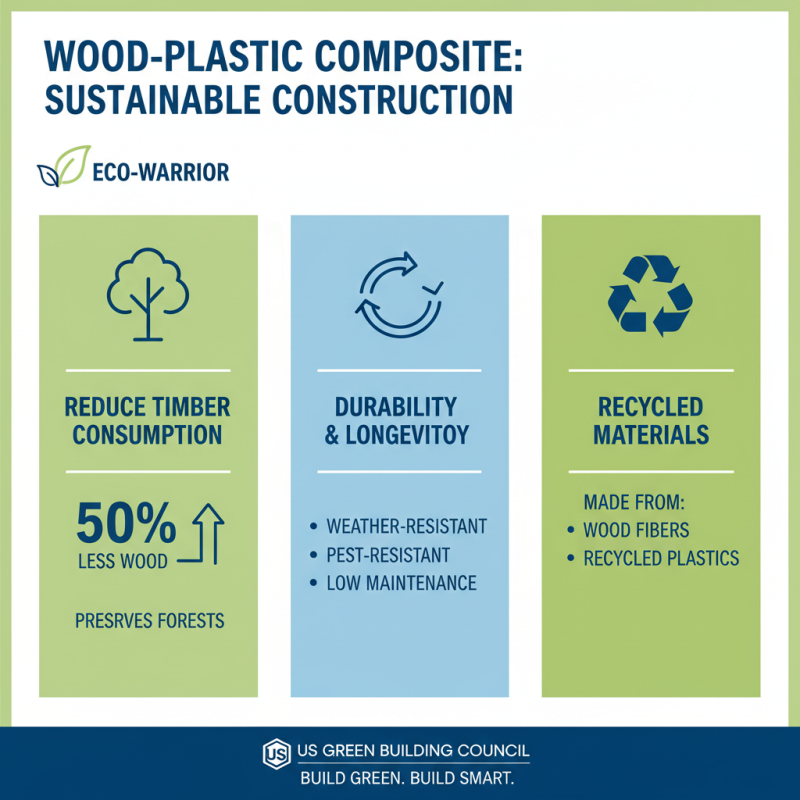
WPC, or Wood-Plastic Composite, is gaining traction in the construction industry. Its sustainability speaks volumes, especially in today’s eco-conscious climate. According to the U.S. Green Building Council, using WPC can reduce timber consumption by up to 50%. This is significant for preserving forests and promoting responsible sourcing.
The materials in WPC often include recycled wood fibers and plastic. Reports show that using recycled plastics can divert millions of tons from landfills. This creates a circular economy, where waste is transformed into useful products, enhancing sustainability. However, WPC still faces challenges. Not all WPC products are equally sustainable. The sourcing of the plastic components often raises concerns.
Public perception is evolving, but there’s still uncertainty. Many consumers aren’t aware of WPC's environmental benefits. Education is key to shifting mindsets. As industries continue to innovate, the focus must remain on improving the sustainability of production processes. This ensures that WPC truly serves its purpose as an eco-friendly alternative.
Cost-effectiveness: Budget-Friendly Aspects of WPC Fluted Panels
When it comes to building materials, WPC fluted panels stand out for their cost-effectiveness. They provide a budget-friendly option without sacrificing quality. Many project managers find that these panels reduce costs significantly compared to traditional materials. Installation is faster and easier, which also saves on labor costs.
Tip: Always consider the long-term savings. WPC fluted panels are durable, resisting rot and moisture. This means fewer repairs and replacements over time. The initial investment pays off, as they can last for years.
Moreover, the aesthetic versatility of WPC fluted panels can enhance your project without breaking the bank. They come in various colors and textures. This allows for creative freedom while staying within budget. However, it’s essential to assess the project needs first. Sometimes, a less expensive option might not offer the desired look or longevity.
Tip: Research various designs before purchasing. Feeling overwhelmed is common, but this step can lead to great benefits. Take your time to choose what truly fits your vision and financial constraints. Balancing cost and aesthetic appeal requires thoughtfulness.