What is WPC Fluted Wall Panel Benefits and Applications?
The WPC Fluted Wall Panel is a versatile solution gaining traction in modern architecture. Industry expert John Stevens notes, "WPC Fluted Wall Panels offer flexibility and style for any setting." These panels provide an aesthetic appeal while being practical for various applications, from residential to commercial spaces.
One key benefit is their eco-friendliness. Made from wood-plastic composites, they utilize recycled materials. This feature contributes to sustainable building practices. Additionally, the panels are durable, resisting moisture and warping. Yet, there are challenges. Installation can sometimes be more complex than traditional materials.
Despite their advantages, one must consider aesthetic choices carefully. Depending on the project, the wrong design could clash with other elements. Thus, effective planning is crucial in leveraging the full potential of WPC Fluted Wall Panels.
What is WPC Fluted Wall Panel?
WPC fluted wall panels are innovative building materials made from wood-plastic composite. They combine wood fibers and plastic to create a sturdy, eco-friendly alternative. These panels are lightweight yet strong, suitable for various applications.
In commercial spaces, WPC fluted wall panels enhance aesthetics while ensuring durability. Industry reports indicate that the global WPC market is growing at a compound annual growth rate of 11.5%. This growth reflects increasing demand for sustainable building materials. Aesthetic appeal is a vital factor in many design projects. The fluted design adds a modern touch while providing functional benefits.
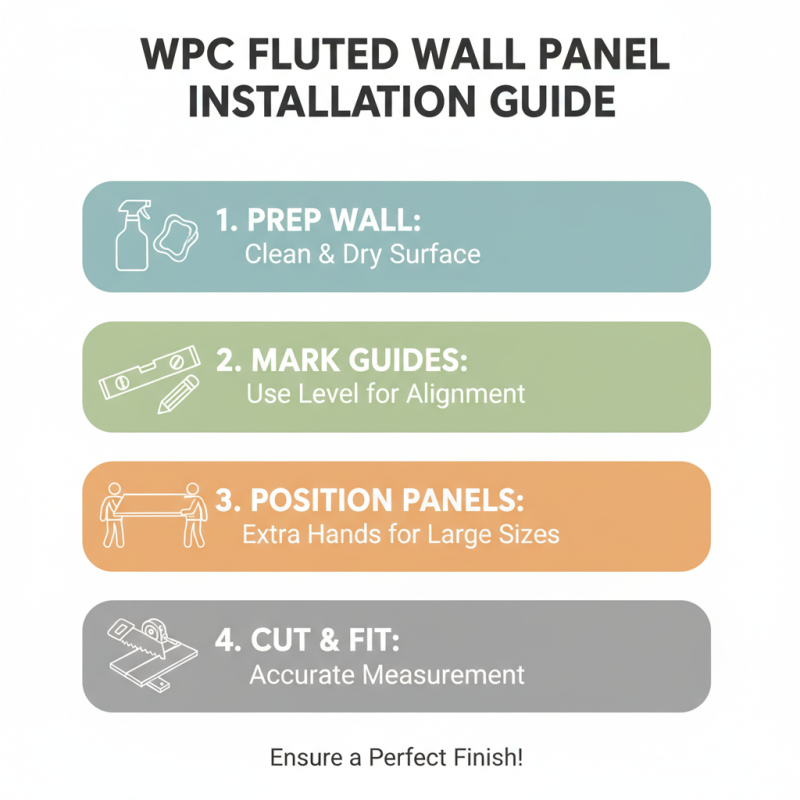
Installation is crucial. Proper techniques can prevent issues like warping or sagging. Some users face challenges with uneven surfaces or compatibility with existing structures. Overall, WPC fluted wall panels offer a blend of style, sustainability, and practicality while posing specific installation challenges. Careful planning and consideration of environmental factors can help mitigate these issues.
Key Benefits of WPC Fluted Wall Panels
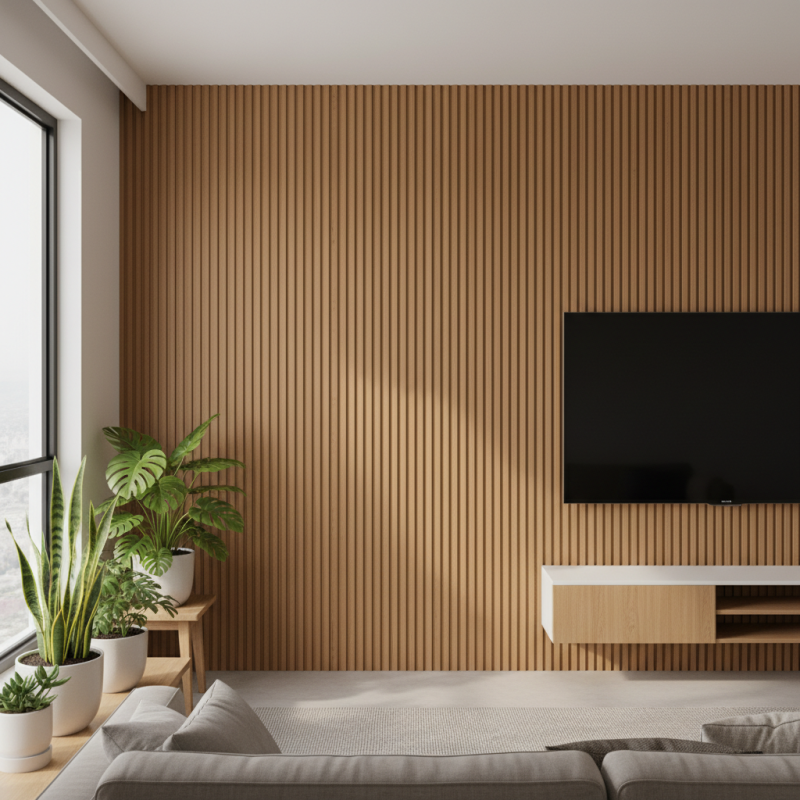
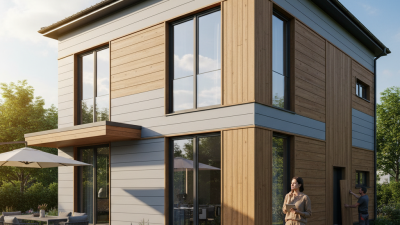
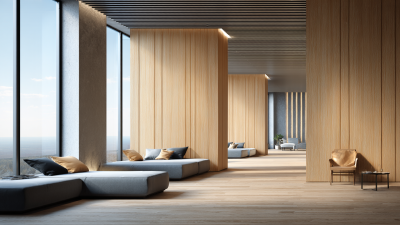
WPC fluted wall panels offer a unique blend of style and functionality. Their distinct fluted design enhances aesthetic appeal, making any space look contemporary. The texture creates visual interest, drawing the eye and adding a dimensional effect to walls. Designers often choose these panels to elevate interiors and exteriors alike.
One significant advantage of WPC panels is their durability. They resist moisture, making them ideal for humid environments. Unlike traditional wood, they do not warp or swell. This feature ensures long-lasting performance in various climates. Additionally, these panels are easy to clean and maintain, reducing the time and effort needed for upkeep.
Another key benefit lies in their eco-friendliness. Made from recycled materials, WPC panels contribute to sustainability efforts. Yet, there are concerns to consider. Not all WPC panels are created equal; some may have quality inconsistencies. It's essential to research and select panels that meet industry standards. When chosen wisely, they can transform spaces efficiently and stylishly.
What is WPC Fluted Wall Panel Benefits and Applications? - Key Benefits of WPC Fluted Wall Panels
| Benefit |
Description |
Applications |
| Eco-Friendly |
Made from recycled materials, WPC helps in reducing environmental impact. |
Residential and commercial buildings as eco-friendly design elements. |
| Durability |
Resistant to moisture, insects, and rot, ensuring a long lifespan. |
Outdoor applications such as cladding and fencing. |
| Aesthetic Variety |
Available in various colors, patterns, and finishes, allowing for creative designs. |
Interior wall designs and accent walls in modern homes and offices. |
| Low Maintenance |
Requires minimal upkeep compared to traditional wood panels. |
Suitable for high-traffic areas that need durability and ease of maintenance. |
| Ease of Installation |
Lightweight and easy to install, reducing labor costs. |
Quick renovations and new construction projects. |
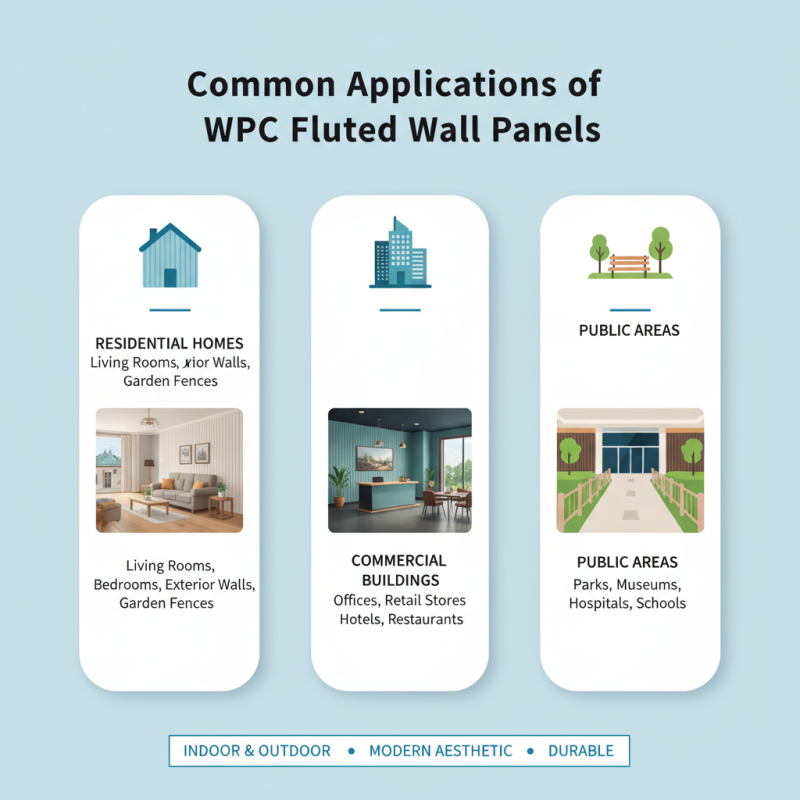
Common Applications of WPC Fluted Wall Panels
WPC fluted wall panels have gained popularity in various applications due to their unique design and functional benefits. These panels are often chosen for both indoor and outdoor environments. They offer a modern aesthetic that can enhance the visual appeal of any space. Their versatility allows them to be used in residential homes, commercial buildings, and public areas.
In residential settings, WPC fluted wall panels can be applied in living rooms and hallways. Their textured surface provides depth and character to walls. In commercial spaces, such as offices and restaurants, these panels help create an inviting atmosphere. They are also effective in public areas, including waiting rooms and lobbies, where durability and ease of maintenance are crucial.
However, while WPC panels look appealing, there are considerations to keep in mind. Proper installation is vital to maximize their benefits. Additionally, the selection of colors and finishes can affect how they blend with existing decor. Some users may find the initial costs higher than standard materials, but the long-term benefits often outweigh these concerns.
Comparison with Traditional Wall Paneling Materials
The comparison between WPC fluted wall panels and traditional wall paneling materials reveals significant advantages. WPC panels are made from a blend of wood and plastic, offering durability and resistance to moisture. In contrast, traditional materials like wood or MDF often suffer from warping, rotting, or insect damage. A study from the International Journal of Architectural Engineering shows that WPC panels can extend the lifespan of wall coverings by up to 30%, making them a smarter investment.
When examining environmental impact, WPC panels tend to have lower carbon footprints compared to conventional wood. Reports indicate that WPC panels can reduce energy consumption during production by 40% versus traditional wood processing. This factor reflects a growing trend in the building industry toward sustainable materials. It's essential to consider long-term benefits when selecting wall paneling options for projects.
Tip: Always test panel compatibility with your space design. Proper installation techniques are crucial to achieving the best aesthetic results. Ensure you account for thermal expansion in your installation plan.
WPC fluted wall panels also offer versatility in design. They can mimic wood textures without the maintenance hassle. This is a stark contrast to wood products, which require regular painting or sealing to maintain appearance. However, the market still presents challenges. The perception of WPC materials sometimes hinges on outdated views of plastic composites as less authentic, a barrier that needs ongoing education and demonstration.