What is WPC Wall Panel and Its Benefits for Your Home?
WPC wall panels are gaining popularity in modern homes. These panels are made of wood-plastic composite, combining durability and aesthetics. They are lightweight and easy to install, making them ideal for various spaces.
One major benefit of WPC wall panels is their resistance to moisture and pests. Unlike traditional wood, they won’t warp or rot. This is particularly important in humid areas. Homeowners can enjoy a wall finish that lasts longer with minimal maintenance.
WPC wall panels also offer a range of styles and colors. This allows for customization that suits individual tastes. However, some may find them less authentic than natural wood. Despite this, their benefits often outweigh the drawbacks. Many homeowners are shifting towards WPC wall panels for their homes.
What is WPC Wall Panel? Understanding the Basics and Composition
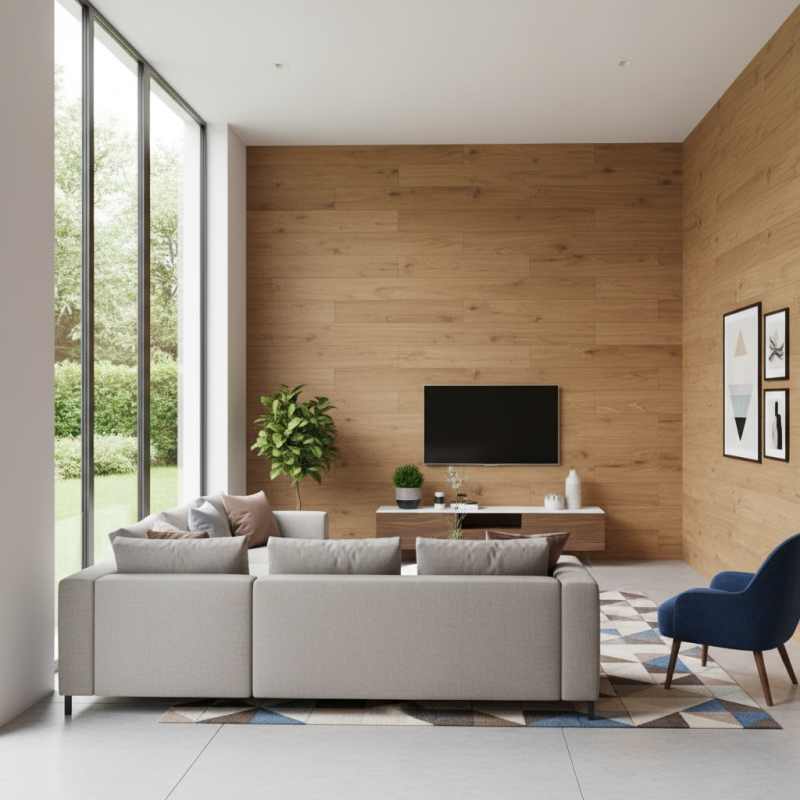
WPC wall panels, or Wood Plastic Composite panels, are gaining popularity in home design. They are made from a mix of wood fibers and plastic materials. This combination gives them durability and resistance to moisture and insects. Many homeowners appreciate their low maintenance needs. They don't require painting or sealing, making them an attractive option for busy families.
The composition of WPC panels includes around 70% wood fiber and 30% plastic. This blend provides a natural look while ensuring longevity. The aesthetic can mimic real wood, which adds warmth to interiors. However, some might find the texture less authentic. It’s crucial to consider preferences when choosing materials for a home.
Installation is relatively easy, but it can be tricky without the right tools. Proper alignment is important for a polished finish. Homeowners may need to rethink their approach if they encounter difficulties during installation. Overall, understanding WPC panels leads to informed choices in home design.
WPC Wall Panel Benefits Overview
Key Benefits of WPC Wall Panels for Homeowners
WPC wall panels are an innovative choice for homeowners. They combine wood and plastic, creating a durable, versatile option for interior walls. One major benefit is their resistance to moisture. According to industry reports, WPC panels can reduce mold growth by up to 50%. This is particularly valuable in humid areas like kitchens and bathrooms.
Another advantage is their aesthetic appeal. WPC panels come in various designs and finishes. This versatility allows homeowners to achieve the desired look without sacrificing durability. Additionally, they require less maintenance than traditional materials. A study suggests that homeowners save about 30% on maintenance costs over the lifespan of WPC panels.
Tips: When choosing WPC panels, consider the room's lighting. Dark colors can make spaces feel smaller. Lighter tones can enhance the feeling of openness. Always check for quality certifications to ensure sustainability and safety. Remember, while WPC panels are robust, improper installation can lead to issues. Make sure to consult professionals if you're unsure about the installation process.
What is WPC Wall Panel and Its Benefits for Your Home? - Key Benefits of WPC Wall Panels for Homeowners
| Benefit |
Description |
Durability |
Maintenance |
| Eco-Friendly |
Made from recycled materials, reducing environmental impact. |
Resistant to water, mold, and termites. |
Easy to clean and maintain. |
| Aesthetic Variety |
Available in numerous designs, colors, and textures. |
Long-lasting colors that resist fading. |
Low upkeep required. |
| Cost-Effective |
Lower material and installation costs compared to wood. |
Durable, reducing the need for frequent replacements. |
Minimal maintenance costs over time. |
| Easy Installation |
Lightweight panels make installation simpler and quicker. |
Stable and secure once installed. |
No special tools required for maintenance. |
| Sound Insulation |
Helps to reduce noise transmission between rooms. |
Sturdy construction provides effective sound dampening. |
No additional soundproofing materials needed. |
Comparative Analysis: WPC Wall Panels vs. Traditional Wall Materials
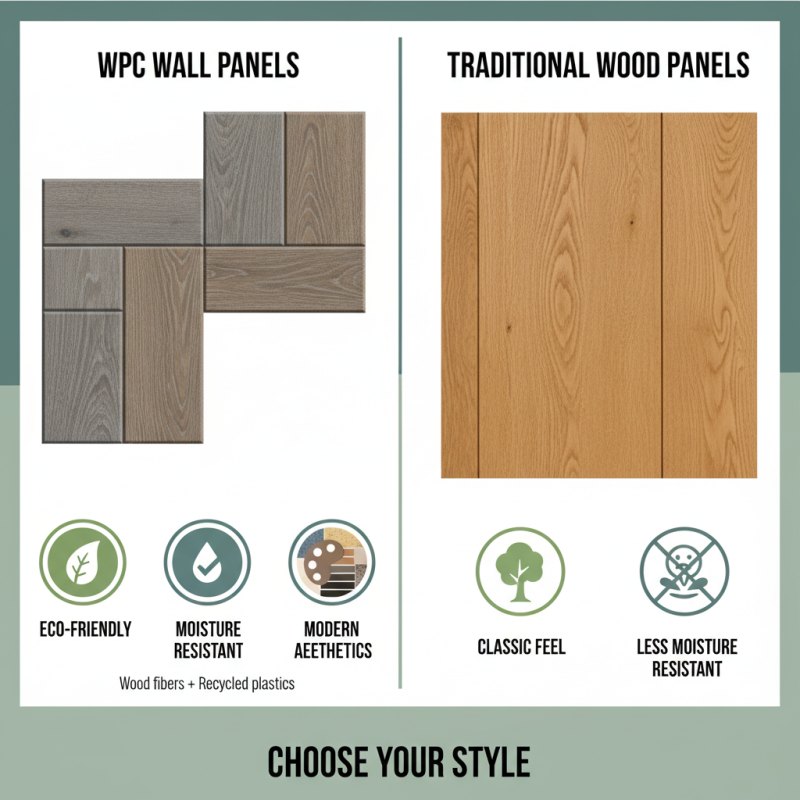
WPC wall panels, made from wood-plastic composites, offer a modern alternative to traditional materials. They combine natural wood fibers with recycled plastics, making them eco-friendly. The visual appeal is striking, with a range of textures and colors available. Homeowners appreciate their resistance to moisture, which is a common concern with wood. However, they might not have the same classic feel that real wood provides.
When comparing WPC panels to traditional options like drywall or plywood, durability stands out. WPC panels resist warping and splitting. They also require less maintenance and can handle humid environments well. In contrast, wood can rot and paint on drywall may peel. Yet, WPC might lack the warmth of natural materials. Some may find the look less inviting or overly synthetic.
Cost is another factor. WPC panels can be more affordable in the long run due to lower repair needs. However, initial installation costs can be high if previously underestimated. There's a learning curve involved in working with WPC materials. Not every contractor may be familiar with their installation processes, requiring extra effort and research.
Installation Process of WPC Wall Panels: A Step-by-Step Guide
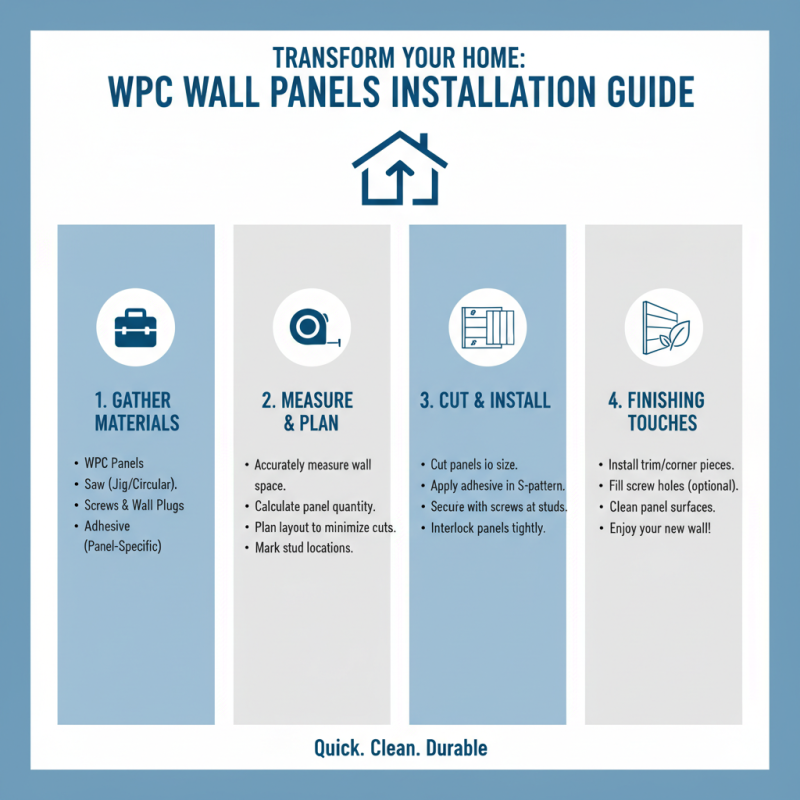
Installing WPC wall panels can transform your home's interior. The process is straightforward but requires careful attention to detail. First, gather your materials: WPC panels, a saw, screws, and an adhesive. Start by measuring the wall space accurately. This ensures that your panels fit well together. Miscalculations can lead to gaps or uneven edges.
Next, prepare the wall surface. Clean it thoroughly to remove any dust or debris. If the wall is uneven, leveling it could take extra time. It’s important for the panels to adhere properly. Begin installing from one corner, allowing the adhesive to set as you work your way across the wall. Keep the panels aligned; small misalignments can become noticeable later.
Lastly, cutting corners while installing can lead to bigger problems down the road. Spend time ensuring that your cuts are straight and your panels flush. Take breaks if needed, as fatigue can lead to mistakes. Remember, quality is key in the installation process, and it’s okay to seek help if you’re unsure about any step.
Cost-Effectiveness and Environmental Impact of WPC Wall Panels
WPC (Wood Plastic Composite) wall panels are becoming popular for home design. They combine wood fibers with plastic, offering a unique blend of durability and aesthetics. One of their main benefits is cost-effectiveness. WPC panels are often less expensive than traditional wooden panels. They require less maintenance over time, which can save homeowners money.
The environmental impact of WPC panels is another significant advantage. They are made from recycled materials, reducing waste. This contributes to sustainability. However, it's important to consider that not all WPC products are made equally. Some may contain harmful additives. Always research the composition before purchasing.
Tips: Look for panels with certifications for sustainability. Check local suppliers to ensure they meet environmental standards. Consider the long-term savings on maintenance and replacement. Investing wisely could mean a healthier home and planet. Balancing cost and quality can be a challenge, but it's worth the effort.