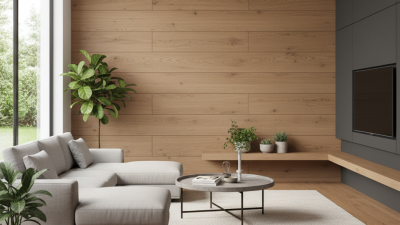

WPC Wall Panel Board has gained popularity in both residential and commercial spaces. This material combines wood and plastic, making it a versatile choice. Many homeowners and builders appreciate its aesthetic and functional advantages.
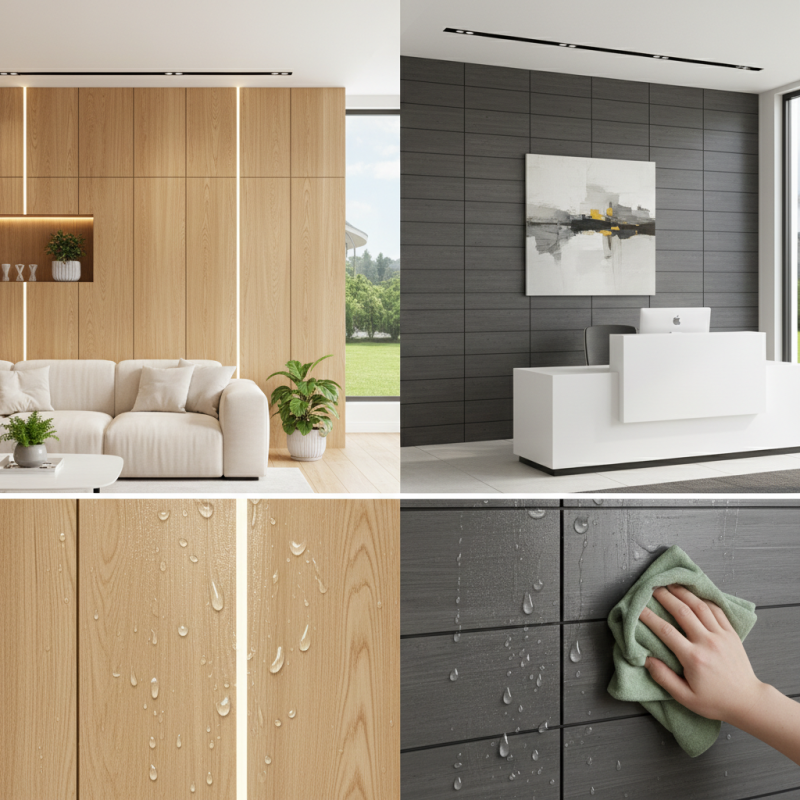
The benefits of using WPC Wall Panel Board are substantial. It is water-resistant and easy to maintain, which appeals to many users. Moreover, the board's lightweight nature simplifies installation. However, some may question its durability compared to traditional materials.
Despite its strengths, it’s important to consider the environmental impact. While WPC is often marketed as eco-friendly, the production process can vary widely. Careful selection of brands is crucial for ensuring sustainability. Users should reflect on these aspects before making a decision.
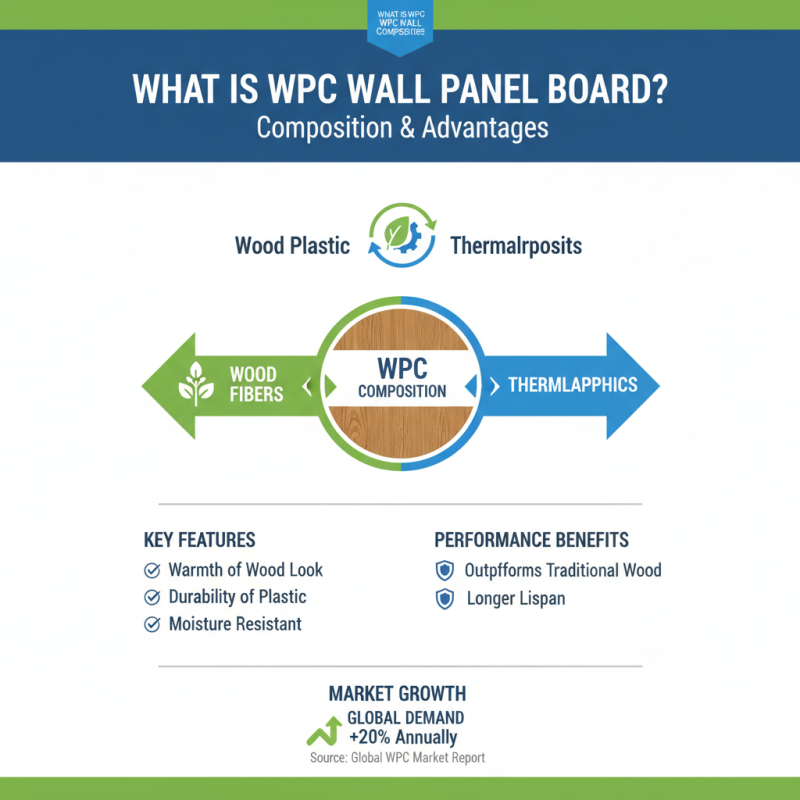
WPC, or Wood Plastic Composite, wall panel boards have gained popularity due to their unique composition and versatility. They are primarily made from a mixture of wood fibers and thermoplastics. This combination provides the warmth of wood and the durability of plastic. In fact, studies indicate that WPC materials can outperform traditional wood in terms of moisture resistance and longevity. According to a report by the Global WPC Market, the demand for WPC is expected to grow by over 20% annually.
One key benefit of WPC wall panel boards is their eco-friendliness. They utilize recycled materials, reducing the need for raw resources. Also, they require less maintenance than traditional wood options. The surface can be easily cleaned without special chemicals, helping to preserve its appearance over time. However, while their aesthetic appeal is clear, users should consider potential fading in direct sunlight.
Tips: Consider the installation process carefully. Poor installation can lead to water damage or warping. Always follow manufacturer guidelines. Exploring local regulations on building materials is also essential, as they can vary widely.
WPC can be a compelling choice, but it is vital to understand its limitations. For instance, while they resist moisture, they can still deform under extreme conditions. Assessing your environment before installation is crucial.
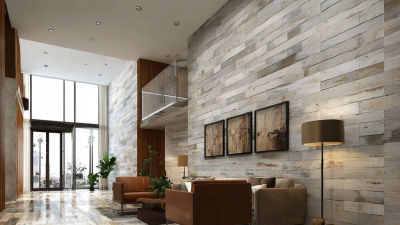
WPC (Wood Plastic Composite) wall panel boards are becoming popular for various applications. Their advantages over traditional materials are significant. For instance, according to the MarketsandMarkets report, the WPC market is expected to reach $9.5 billion by 2025, indicating a shift in consumer preferences.
One key advantage is durability. WPC boards resist moisture and pests better than wood. This reduces maintenance costs over time. Traditional wood can warp, rot, or attract insects, while WPC maintains its integrity, providing a longer life span for your projects. Additionally, WPC panels are often easier to install, saving both labor time and overall expenses.
**Tip:** When selecting the thickness of WPC panels, consider the specific application. Thicker panels can provide better insulation and acoustic properties.
Another benefit is eco-friendliness. WPC boards use recycled materials, reducing waste. Reports highlight that around 20% of global plastic production comes from recycled sources. This sustainability appeal contributes to a growing preference for WPC in residential and commercial settings.
**Tip:** Research local regulations regarding eco-friendly materials. Some regions provide incentives for using sustainable products in construction.
However, potential buyers should be aware of quality variations in WPC panels. A low-quality product might lead to issues down the road. Always source from reputable suppliers to ensure reliability and longevity in your installation.
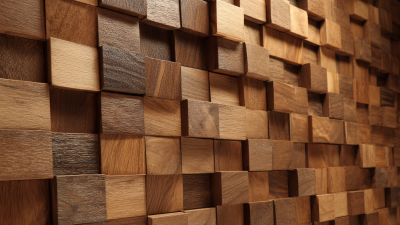
WPC wall panel boards, made from wood-plastic composites, have seen increasing popularity in construction. They offer a blend of aesthetics and functionality. Their lightweight nature makes them easy to install and handle. This can reduce labor costs and construction time. Many designs mimic the appearance of natural wood. This provides elegance without the drawbacks of real wood, such as warping and termites.
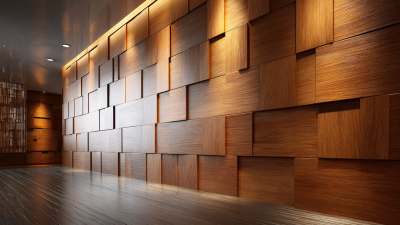
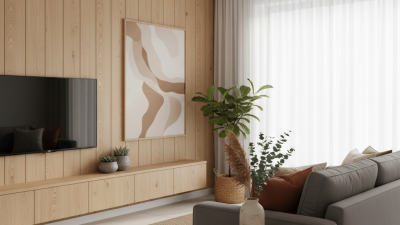
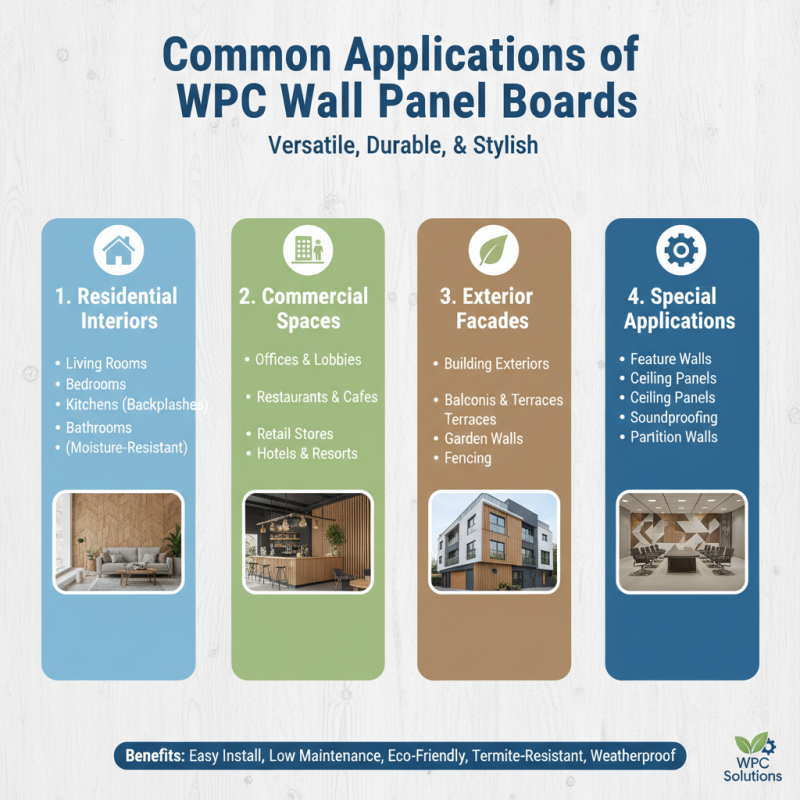
In modern architecture, WPC wall panels find numerous applications. They are commonly used as interior wall coverings, providing insulation along with soundproofing advantages. In exterior settings, they serve as cladding materials, contributing to sustainable building practices. Their resistance to moisture makes them ideal for kitchens and bathrooms. Additionally, these panels can be customized in various colors and textures, appealing to diverse design preferences.
While WPC wall panels are advantageous, there are considerations. Over time, some users have experienced surface fading or discoloration. The installation process may demand careful attention to detail. Ensuring proper sealing is necessary to avoid future issues. Additionally, sourcing high-quality materials is crucial for durability. Balancing aesthetics and practicality remains essential when integrating WPC panels into any project.
WPC wall panel boards offer various environmental benefits that make them an appealing choice for both homeowners and builders. Made from recycled wood and plastic, these panels reduce waste and promote sustainability. Their production involves less energy compared to traditional materials, contributing to lower carbon emissions.
Using WPC panel boards can help improve energy efficiency. These materials provide good insulation, which can reduce heating and cooling costs. Many builders appreciate the lightweight nature of WPC panels, making transportation and installation easier. Furthermore, their durability means they last longer, reducing the need for frequent replacements.
While WPC panels are a great option, there are aspects to consider. Some may wonder about their long-term performance in extreme weather. Additionally, while they resist moisture better than wood, they can still require maintenance. Reflection on these points ensures a well-rounded decision when choosing WPC wall panels for your project.
| Benefit/Use | Description | Environmental Impact |
|---|---|---|
| Durability | WPC panels are resistant to moisture, rot, and termites. | Reduces the need for chemical treatments and replacements. |
| Low Maintenance | Requires minimal upkeep and cleaning compared to wood. | Less resource consumption for maintenance activities. |
| Sustainability | Made from recycled materials, including plastic and wood fibers. | Contributes to waste reduction and promotes recycling. |
| Energy Efficiency | Provides better insulation compared to traditional materials. | Helps reduce heating and cooling costs, lowering energy use. |
| Aesthetics | Available in various colors and textures, mimicking natural materials. | Enhances visual appeal without harming forests. |
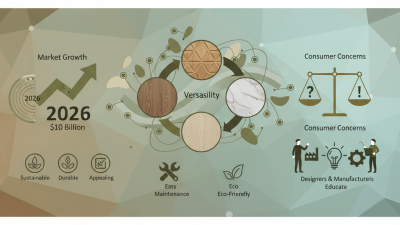
The WPC wall panel industry is witnessing significant growth. This growth is driven by a rising demand for durable and eco-friendly building materials. As homeowners and builders seek sustainable options, the use of wood-plastic composites is becoming increasingly popular. The blend of recycled wood and plastic creates a strong, durable product that is also lightweight. This combination offers versatility and ease of installation.
Market trends indicate a shift toward customization. Consumers want unique designs that enhance aesthetic appeal. WPC wall panels come in various colors, textures, and finishes, allowing for creative freedom. Additionally, the rise of smart homes embraces WPC materials, as they are often low maintenance and easy to clean. However, some challenges remain. The market must address concerns related to long-term durability and performance in extreme weather.
As the industry grows, manufacturers need to focus on sustainability. Implementing eco-friendly practices in production can enhance brand reputation. Investment in research and development is crucial. It ensures continuous improvements in material properties and expands the potential applications of WPC wall panels. While the outlook appears positive, keeping pace with evolving consumer preferences remains a challenge. The future of WPC wall panels depends on innovation and adaptability in a dynamic market.
This chart illustrates the main benefits and uses of WPC (Wood Plastic Composite) Wall Panel Boards, highlighting their applications across different industries, alongside market growth trends.