What is Wpc Wall Panel For Household Benefits and Installation Guide
The WPC Wall Panel for Household has emerged as a transformative solution in modern home design, blending aesthetics with functionality to meet the needs of contemporary living. As reported by the Global Composite Panel Market Research, the demand for wood-plastic composites (WPCs) is projected to grow by over 20% in the next five years, fueled by their durability, sustainability, and versatility. WPC Wall Panels are not just environmentally friendly but also resistant to moisture and pests, making them a practical choice for homeowners looking to enhance both interior and exterior spaces.
According to Dr. James H. Carter, an industry expert at the National Association of Composite Manufacturers, "The innovative properties of WPC Wall Panels for Household applications provide an unparalleled combination of style and structure." This sentiment highlights the growing recognition of WPC panels as a preferred material in residential construction and remodeling projects. With their easy installation and low maintenance requirements, these panels present an efficient way for homeowners to achieve sophisticated designs without compromising on performance. As we delve into the benefits and installation guide of WPC Wall Panels, it's essential to understand how these products can not only elevate a home's aesthetic but also significantly improve its functionality.
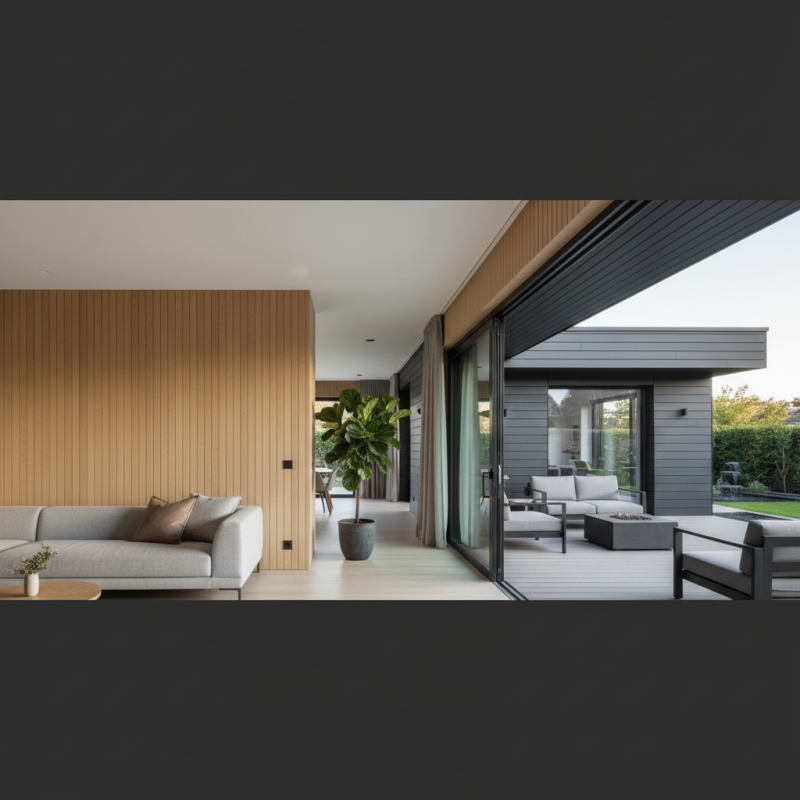
What is WPC Wall Panel: Definition and Overview
WPC (Wood-Plastic Composite) wall panels have emerged as a popular choice for household interior and exterior applications due to their unique combination of aesthetics and functionality. WPC is a composite material made from a mixture of wood fibers and thermoplastics, which provides the durability of plastic with the natural look of wood. This combination not only makes WPC wall panels resistant to moisture and pests but also ensures they are easy to clean and maintain, making them ideal for various environments such as living rooms, kitchens, and even outdoor settings.
According to a 2022 market analysis report by Research and Markets, the global WPC market is projected to reach a value of $8.6 billion by 2027, growing at a CAGR of 11.5%. This indicates a rising trend in the popularity of WPC materials within the construction and renovation sectors. The report highlights that the increasing demand for eco-friendly and sustainable building materials is driving the adoption of WPC products. Additionally, innovations in manufacturing techniques have enhanced the performance characteristics of WPC wall panels, making them more appealing for both residential and commercial use.
Before installation, it’s essential to evaluate the specific requirements of the space you’ll be using WPC panels in. Proper preparation, including ensuring a level surface and allowing for necessary expansion gaps, can greatly affect the outcome and longevity of the installation. The versatility of WPC wall panels, combined with their low maintenance needs and environmental benefits, make them an excellent choice for modern households seeking a balance between style and practicality.
WPC Wall Panel Benefits Comparison
This chart illustrates the benefits of WPC Wall Panels in various aspects, such as durability, water resistance, maintenance ease, aesthetics, and cost-effectiveness. Each benefit is rated on a scale from 0 to 100, indicating the relative strengths of WPC wall panels in comparison to traditional materials.
Advantages of Using WPC Wall Panels in Household Settings
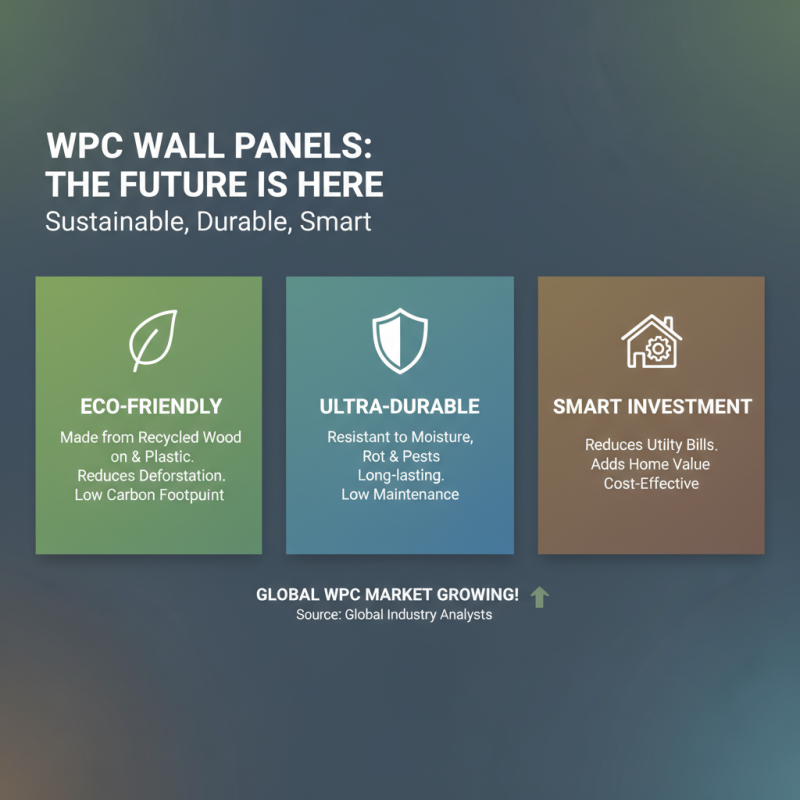
WPC (Wood-Plastic Composite) wall panels are rapidly gaining popularity in household settings due to their numerous advantages. A report from the Global Industry Analysts suggests that the WPC market is expected to grow substantially, driven by an increasing awareness of environmentally sustainable building materials. One of the primary benefits of WPC wall panels is their durability; they are resistant to moisture, rot, and pests, making them ideal for areas that are prone to high humidity. This property not only extends the lifespan of a home but also reduces maintenance costs, offering long-term savings for homeowners.
Another significant advantage is the aesthetic versatility these panels provide. WPC wall panels can be designed to replicate the appearance of traditional wood finishes while offering greater resilience. This allows homeowners to achieve a stylish look without compromising on practicality. According to a survey conducted by the National Association of Home Builders, 72% of homeowners prioritize low-maintenance materials when renovating, and WPC wall panels align perfectly with this trend by offering an attractive yet hassle-free option.
Tips: When selecting WPC wall panels, consider the color and texture that best matches your existing décor. Additionally, always opt for panels with UV protection to prevent fading and maintain their vibrant appearance over time. Lastly, ensure proper installation by hiring professionals familiar with WPC materials to maximize both aesthetic appeal and functionality.
Key Characteristics and Technical Specifications of WPC Panels
WPC (Wood-Plastic Composite) wall panels have gained popularity in household applications due to their unique characteristics and advantages. One of the key features of WPC panels is their excellent resistance to moisture, making them ideal for use in areas prone to humidity, such as bathrooms and kitchens. These panels are crafted from a blend of wood fibers and plastic, which not only provides durability but also contributes to their lightweight nature. Additionally, WPC panels are designed to resist warping and cracking, ensuring that they maintain their aesthetic appeal over time.
When considering the installation of WPC panels, it’s important to note their versatility. They can be applied directly over existing wall surfaces, making the installation process quick and efficient. Most panels come with interlocking mechanisms, which further simplify the installation. Homeowners can also choose from a variety of designs, colors, and finishes, allowing them to customize their spaces according to personal preferences.
**Tips:** Before installation, ensure the wall surface is clean and dry. This will enhance adhesion and ensure a smooth finish. Additionally, using proper tools and following the manufacturer's guidelines will lead to a more successful installation process, minimizing errors and maximizing the lifespan of the panels. Consider consulting a professional for larger projects to achieve the best results.
What is Wpc Wall Panel For Household Benefits and Installation Guide
| Characteristic |
Specification |
Benefit |
| Material Composition |
Wood Plastic Composite (WPC) |
Eco-friendly and sustainable material |
| Water Resistance |
High |
Suitable for high humidity areas |
| Durability |
Long-lasting and tough |
Resistant to scratches and impacts |
| Maintenance |
Low |
Easy to clean and maintain |
| Installation Method |
Click-lock or tongue and groove |
Quick and easy DIY installation |
| Design Options |
Various colors and textures |
Flexibility in home decor |
Step-by-Step Installation Process for WPC Wall Panels
WPC (Wood-Plastic Composite) wall panels have gained popularity in households due to their durability, aesthetic appeal, and ease of installation. According to a recent industry report, the global WPC market is expected to grow at a CAGR of 11% from 2021 to 2026, illustrating a strong consumer interest in sustainable and low-maintenance building materials. The blend of wood fibers and recyclable plastics not only enhances the panels' resilience against weather and insects but also contributes to environmentally-friendly construction practices.
The step-by-step installation process for WPC wall panels is relatively straightforward, making it a feasible DIY project for homeowners. First, ensure that the wall surface is clean and dry. Next, measure and cut the panels to fit your specific space requirements. It is essential to use proper tools, including a saw for cutting and a level for alignment. After cutting, the panels should be secured to the wall using screws or adhesive, depending on the panel design and wall type.
Each panel should be installed with appropriate spacing to allow for expansion and contraction, crucial for maintaining the integrity of the installation over time. This simple installation method, combined with the panels' resistance to moisture and decay, is why many are turning to WPC as a practical solution for enhancing interior and exterior aesthetics.
Maintenance Tips to Maximize the Lifespan of WPC Wall Panels
WPC wall panels, composed of wood and plastic compounds, are an excellent choice for homeowners looking to enhance their interiors while enjoying the benefits of durability and aesthetic appeal. To ensure that these panels maintain their look and functionality for years to come, regular maintenance is essential.
One effective tip is to clean the panels regularly with a soft cloth and mild soap solution. This prevents the buildup of dirt and grime that can affect their appearance. Additionally, it's advisable to avoid using harsh chemicals or abrasive materials that can scratch the surface of the panels.
Another important aspect of maintenance is to inspect the panels for any signs of damage, such as cracks or chips, on a routine basis. Promptly addressing minor repairs can prevent them from becoming larger issues. Furthermore, applying a protective sealant every couple of years can enhance the panels' resistance to moisture and UV damage, contributing to their longevity. By following these maintenance tips, homeowners can maximize the lifespan and beauty of their WPC wall panels, ensuring they remain a valuable asset in their living spaces.