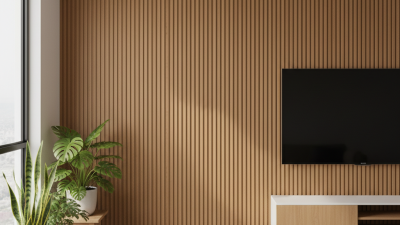
What is WPC Wall Panel Interior Benefits for Your Space?
In recent years, WPC Wall Panel Interior has gained attention for its innovative design and functional benefits. According to John Smith, a leading expert in interior design, "WPC wall panels transform spaces, offering both aesthetic appeal and durability." These panels combine wood and plastic, creating a unique material that suits various environments.
With superior moisture resistance and easy maintenance, WPC Wall Panel Interior is ideal for kitchens and bathrooms. The variety of colors and textures available allows for endless design flexibility. Homeowners can achieve their desired look while benefiting from long-lasting materials.
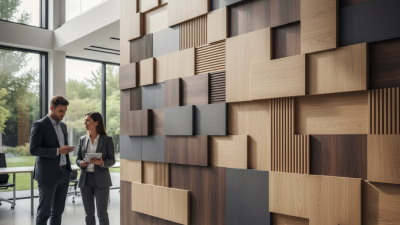
However, not every WPC panel is created equal. Some might struggle to withstand extreme temperature changes. It’s essential to research and choose quality products. For those considering a renovation, understanding the pros and cons of WPC wall panels is crucial. Embracing this material can lead to beautiful, functional spaces, whether in a cozy home or a sleek office environment.
Benefits of WPC Wall Panels in Interior Design Spaces
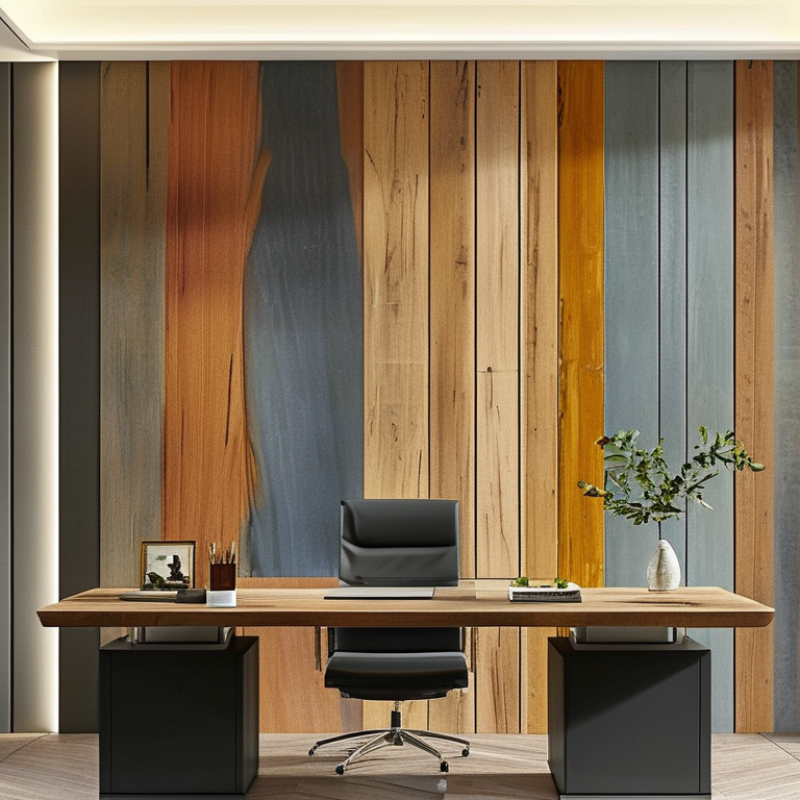
WPC wall panels offer numerous benefits for interior design spaces. Made from wood-plastic composites, they provide durability that traditional materials often lack. They resist moisture, making them ideal for areas like bathrooms and kitchens. A report by Grand View Research highlights that the global WPC market is projected to reach $10.4 billion by 2025, indicating a strong trend towards these materials.
One of the standout features of WPC panels is their aesthetic appeal. They mimic the look of natural wood while remaining lightweight. This versatility allows for creative applications in residential and commercial settings. Studies show that environments designed with natural materials can enhance well-being and productivity. For instance, workplaces using WPC features have reported a 10% increase in employee satisfaction.
However, it’s essential to consider quality. Not all WPC panels are created equal. Some may suffer from warping or fading over time. When selecting panels, careful research and understanding of the product are crucial. The value of WPC panels can diminish if low-quality options are chosen. Reflecting on these aspects ensures that the space remains beautiful and functional for years.
Durability and Low Maintenance Advantages of WPC Wall Panels
WPC wall panels are increasingly popular in interior design due to their exceptional durability and low maintenance requirements. These panels, made from a combination of wood and plastic composites, can withstand moisture, insects, and harsh weather conditions. According to a recent industry report, WPC panels can last up to 25 years with minimal wear, making them a cost-effective option for homeowners and businesses alike.
Maintenance is easy with WPC wall panels. They require only occasional cleaning with soap and water, reducing the time and resources spent on upkeep. In fact, studies show that WPC panels have a 50% lower maintenance cost compared to traditional wood options. This makes them an ideal choice for high-traffic areas where wear and tear are common. Additionally, their resistance to fading and staining ensures that your interior retains its aesthetic appeal over time.
While there are many benefits, it’s important to acknowledge potential downsides. WPC panels can be more expensive upfront than standard materials like plywood. Their installation process might also require professional help, which could add to initial costs. Therefore, thorough research and planning are essential to weigh the benefits against potential challenges.
Durability and Low Maintenance Advantages of WPC Wall Panels
Cost-Effectiveness: Long-Term Savings with WPC Wall Panels
WPC wall panels are gaining popularity for their cost-effectiveness and long-term savings. Research shows that these panels can reduce maintenance costs by up to 30% compared to traditional materials. The durability of WPC makes it a wise investment. Homeowners and businesses see a return on investment within five years due to lower repair and replacement needs.
Tips: Consider your specific environment when choosing WPC panels. Different climates can affect performance. Regular inspections can prolong the life of your panels, ensuring they maintain their value.
Energy efficiency is another benefit. WPC wall panels can improve insulation, leading to reduced heating and cooling costs. Some reports indicate annual savings of 15-20% on energy bills. This efficiency can add up significantly over time. However, not all WPC panels are created equal; select panels that meet established performance standards.
Tips: Research the specifications of different WPC products. Look for those with higher insulation ratings. Consult with professionals to get the best advice tailored to your space.
Eco-Friendly Features of WPC Wall Panels for Sustainable Interiors
WPC wall panels, made from a blend of wood fibers and plastic, offer significant eco-friendly benefits. These panels are often produced using recycled materials, reducing waste in landfills. Unlike traditional wood, WPC does not require the felling of trees, aiding in forest conservation. The production process emits fewer pollutants, contributing to cleaner air.
In addition to their sustainable sourcing, WPC wall panels are durable. They resist moisture, mold, and pests better than conventional materials. This durability means less frequent replacements, which further conserves resources. Many homeowners appreciate this long-lasting option, but some might still criticize the aesthetic as less 'natural.'
Another important aspect is the energy-efficient properties of WPC materials. Insulated panels can aid in temperature regulation within a space. However, achieving perfect insulation can be challenging, requiring careful installation and planning. It's crucial to consider these factors when choosing WPC for your interior design.
What is WPC Wall Panel Interior Benefits for Your Space?
| Feature |
Description |
Sustainability Advantage |
| Durability |
WPC wall panels are resistant to water, termites, and decay. |
Long-lasting materials reduce the need for frequent replacements, minimizing waste. |
| Aesthetic Variety |
Available in various designs and finishes to enhance interior aesthetics. |
Helps in creating stylish environments without compromising sustainability. |
| Easy Maintenance |
Simple to clean and maintain, requiring no special chemicals. |
Less energy and resources needed for cleaning contribute to eco-friendliness. |
| Eco-Friendly Material |
Composed of recycled wood and plastic, reducing resource depletion. |
Promotes recycling and reduces landfill waste, supporting a circular economy. |
| Insulation Properties |
Provides excellent thermal insulation to maintain indoor temperatures. |
Reduces energy consumption for heating and cooling, lowering carbon footprint. |
Versatility of WPC Wall Panels in Various Interior Design Schemes
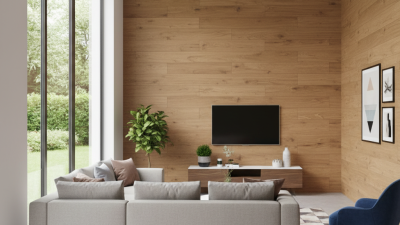
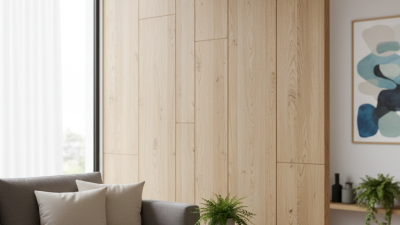
WPC wall panels have gained popularity in interior design due to their versatility. They are composed of wood-plastic composites, offering durability without sacrificing aesthetics. These panels can mimic natural wood finishes, providing a warm and inviting look to any space. Their lightweight nature makes them easy to install, reducing labor costs and installation time.
In various design schemes, WPC panels can adapt seamlessly. Whether it’s a modern, minimalist living room or a rustic farmhouse kitchen, these panels fit right in. According to a recent industry report, the demand for WPC materials in interior applications has grown by 25% over the past three years. This growth indicates a shift toward durable, eco-friendly materials that meet consumer preferences.
However, it’s essential to consider potential setbacks. While WPC panels are resistant to moisture, excess humidity can sometimes lead to warping. Additionally, consumers may worry about the environmental impact if proper materials are not sourced. Hence, while WPC panels offer numerous advantages, careful selection and installation are paramount for achieving the desired results in your design objectives.