Top WPC Wall Panel Trends for Interior Decoration in 2025
As we move toward 2025, the world of interior design is witnessing a transformative shift, with WPC wall panels at the forefront of innovation in interior decoration. These advanced composite materials are not only versatile but also eco-friendly and durable, making them an ideal choice for a variety of aesthetic applications. The upcoming trends in WPC wall panel interior decoration will focus on enhancing the visual appeal of spaces while providing sustainable solutions, catering to the growing demand for environmentally conscious design.
This year marks an exciting evolution in interior decoration, where WPC wall panels are expected to dominate in modern homes and commercial interiors alike. The trends for 2025 highlight a blend of functionality and style, offering designers the opportunity to experiment with textures, colors, and installation techniques. As consumers become more discerning and seek personalization in their living spaces, the adaptability of WPC wall panels will play a crucial role in shaping contemporary interiors.
In this context, understanding the emerging trends surrounding WPC wall panel interior decoration is essential for anyone looking to create inviting and stylish environments. From minimalist designs to bold accent walls, the possibilities are vast. As we explore these trends, we will uncover how WPC wall panels can elevate interior spaces to new heights, ensuring they remain both trendy and sustainable in the years to come.

Emerging WPC Wall Panel Styles for Modern Interiors in 2025
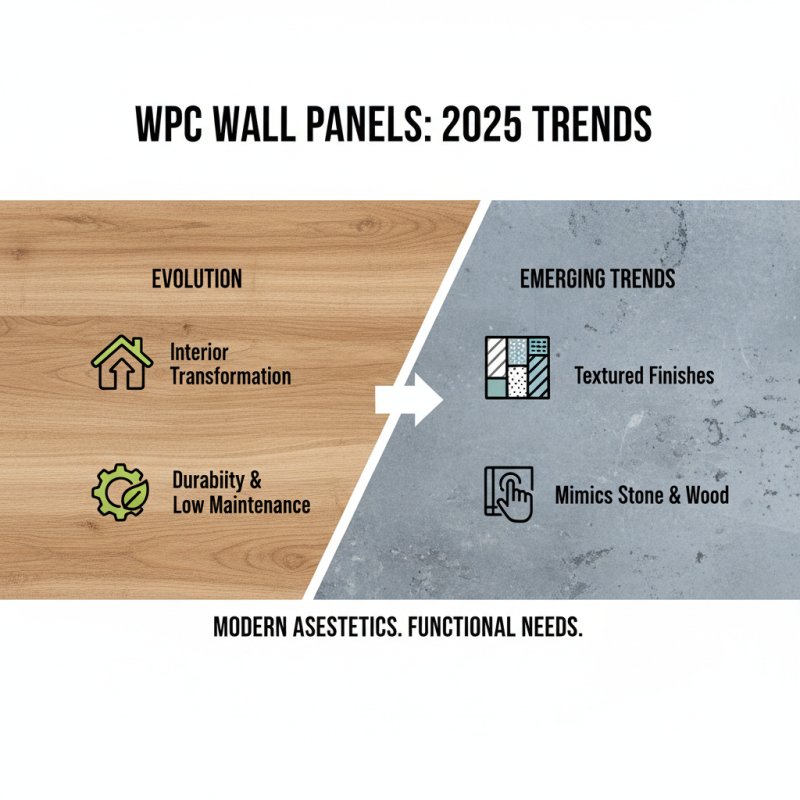
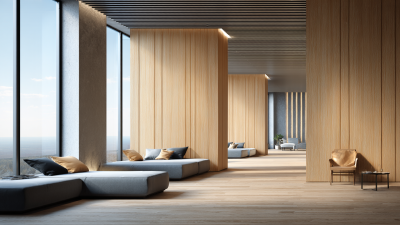
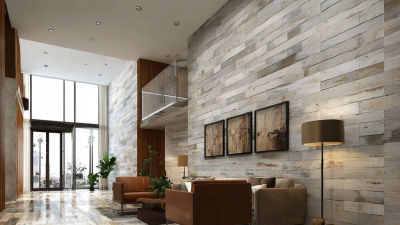
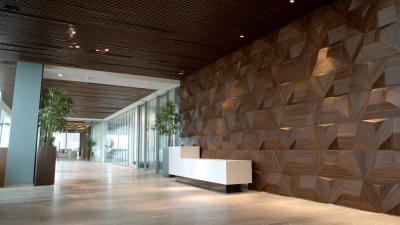
As we look toward 2025, the evolution of WPC (Wood Plastic Composite) wall panels continues to transform interior decoration, bringing fresh styles that cater to modern aesthetics and functional needs. One of the emerging trends is the use of textured finishes that mimic natural materials such as stone and wood. These realistic textures not only add depth and character to walls but also provide the benefits of durability and low maintenance that WPC offers. Designers are increasingly opting for panels that incorporate varied surface treatments that can elevate a simple room into a visually stunning environment.
Another trend gaining traction is the use of bold colors and geometric patterns in WPC wall panels. While traditional wood tones remain popular, designers are exploring vibrant colors such as deep blues, rich greens, and even bright yellows to create accent walls that serve as focal points in contemporary spaces. Geometric designs, including chevrons and hexagons, are being integrated into panel layouts, allowing for creative layering and a modern twist on classic decor. These stylistic choices not only reflect individual personality but also promote a playful approach to interior design in 2025, appealing to a younger demographic that values uniqueness and expression in their living spaces.
Eco-Friendly Materials: The Rise of Sustainable WPC Wall Panels
As interior design trends evolve, the focus on eco-friendly materials is becoming increasingly prominent, especially in the realm of WPC (Wood Plastic Composite) wall panels. These innovative materials blend the aesthetics of wood with the durability of plastics, leading to sustainable solutions for modern interiors. According to a recent market research report by Smithers, the global WPC market is projected to reach $8.9 billion by 2025, driven by a surge in demand for environmentally friendly building materials. As consumers become more aware of their environmental footprint, WPC wall panels present a viable option for those looking to enhance their interiors while minimizing ecological impact.
Sustainable practices in manufacturing WPC wall panels involve using recycled wood fibers and plastics, which significantly reduces waste and energy consumption. A study conducted by the American Chemistry Council indicated that using WPC materials in construction can lower greenhouse gas emissions by up to 30% compared to traditional materials. This statistic underscores the potential of WPC wall panels not only to enhance aesthetic appeal but also to contribute to a more sustainable future. With various design options available, from natural wood finishes to vibrant colors, these panels are quickly becoming a favored choice among eco-conscious homeowners and designers alike.
Color Trends: Popular Palettes for WPC Wall Panels in 2025
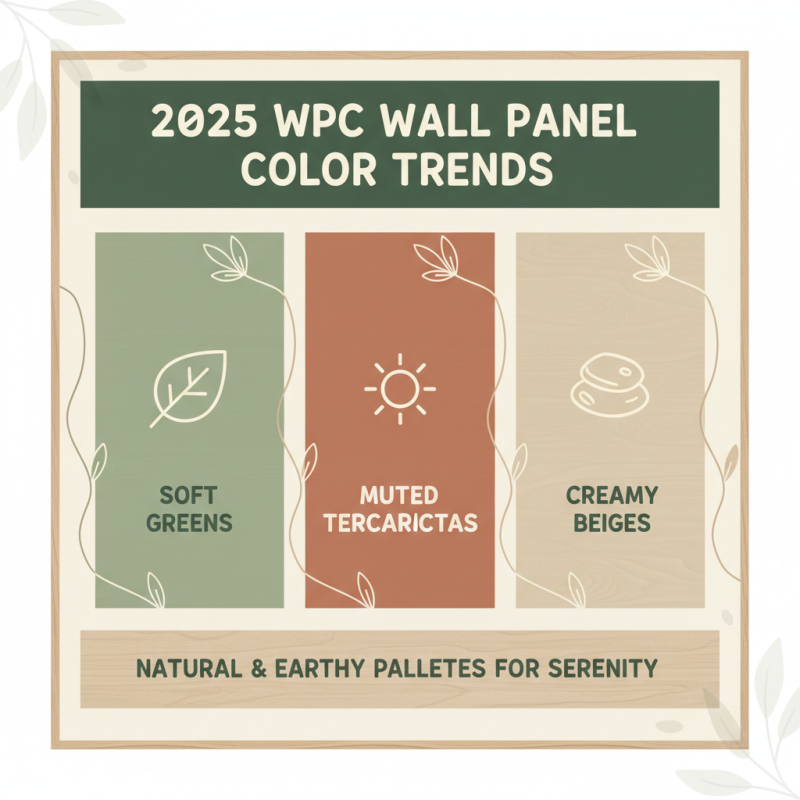
As we look towards 2025, the use of WPC (Wood Plastic Composite) wall panels in interior decoration is anticipated to flourish, with color trends playing a pivotal role in this evolution. Industry reports indicate a shift towards natural and earthy palettes, reflecting a growing consumer preference for warmed tones that evoke serenity and connection to nature. Shades such as soft greens, muted terracottas, and creamy beiges are predicted to dominate, aligning with a broader trend towards biophilic design principles that promote well-being through natural aesthetics.
In addition, the rise of multifunctional spaces in residences is driving demand for WPC wall panels that not only offer aesthetic appeal but also practical benefits. According to recent market analysis, colors that enhance light or create dramatic contrasts are gaining traction. Deep blues and rich jewel tones are expected to provide visual depth while maintaining the lightweight and durable characteristics of WPC materials. This integration of color in WPC wall panels serves to redefine spaces, making them more vibrant and inviting, catering to the growing desire for personalized and dynamic interior environments. With these trends, the WPC wall panel market is set to experience significant growth, predicted to reach a valuation of over $3 billion by 2025, highlighting the importance of color selection in achieving consumer satisfaction and innovative design.
Technology Integration: Smart Features in WPC Wall Panels
As we approach 2025, the integration of smart features in WPC (Wood-Plastic Composite) wall panels is becoming a defining trend in interior decoration. With advancements in technology, WPC wall panels now offer innovative solutions that enhance functionality and aesthetics. According to a report by MarketsandMarkets, the smart building market is expected to grow from $75.0 billion in 2020 to $115.0 billion by 2025, highlighting the increasing demand for intelligent materials in construction and interior design. This surge reflects the need for environments that are not only visually appealing but also equipped with features that promote energy efficiency and user convenience.
Incorporating smart features such as sensors for temperature and humidity control, integrated lighting systems, and even voice-activated controls, WPC wall panels are transforming spaces into fully interactive environments. A recent survey indicated that approximately 68% of consumers show interest in smart home technologies, particularly those that enhance the comfort and safety of their living spaces. These panels can be designed to sync with home automation systems, allowing users to manage their surroundings effortlessly. Furthermore, with sustainability being a crucial focal point in construction, the eco-friendly aspects of WPC materials combined with smart technology create a compelling choice for environmentally-conscious consumers looking to modernize their interiors.
Top WPC Wall Panel Trends for Interior Decoration in 2025 - Technology Integration: Smart Features in WPC Wall Panels
| Trend |
Description |
Smart Feature |
Benefits |
| Eco-friendly Materials |
Use of recycled materials in WPC panels. |
Air Purification Technology |
Improves indoor air quality. |
| Customizable Designs |
Ability to personalize textures and colors. |
Integration with AR for visualization |
Enhances aesthetic appeal before installation. |
| Soundproof Wall Panels |
Panels designed to reduce noise pollution. |
Sound Level Monitoring |
Creates quieter and more comfortable spaces. |
| Modular Systems |
Easily reconfigurable wall panel systems. |
Remote Configuration Controls |
Flexibility in design changes. |
| LED Integrated Panels |
WPC panels that feature embedded lighting. |
Smart Lighting Control |
Energy efficiency and ambiance enhancement. |
Innovative Installation Techniques for WPC Wall Panels in Interior Design
As interior design continues to evolve, WPC (Wood Plastic Composite) wall panels are gaining traction due to their versatility and durability. One of the most innovative installation techniques that has surfaced recently is the use of modular panel systems. According to a recent industry report, the global WPC market is projected to grow at a CAGR of 12% from 2023 to 2030, indicating a rising demand for more efficient and aesthetically pleasing installation methods. Modular systems not only simplify the installation process but also allow for flexible designs that can easily adapt to different spaces.
Another technique that is gaining popularity is the incorporation of hidden fasteners. This method not only enhances the visual appeal of WPC wall panels by creating seamless finishes but also improves the structural integrity of the installations. A study has shown that projects utilizing concealed fixtures can reduce installation time by more than 30%, streamlining the workflow and reducing labor costs.
Tips: When opting for WPC wall panels, consider the panel thickness and density to ensure they meet your design and performance requirements. Additionally, always choose environmentally-friendly options that contribute to sustainable design practices, as the industry shifts towards greener solutions. Finally, staying informed about the latest installation techniques can significantly enhance both the efficiency and aesthetics of your interior projects.
Top WPC Wall Panel Trends for Interior Decoration in 2025
This chart showcases the top trends in WPC wall panel popularity projected for 2025. The data reflects consumer preferences towards sustainable materials and innovative designs, highlighting the shift in interior design trends. Each category represents the percentage of popularity predicted for that trend.