How to Use WPC Wall Panels for Stunning Interior Decoration?
WPC wall panels have gained significant traction in the interior decoration industry. According to a recent report by MarketsandMarkets, the global market for decorative wall panels is projected to reach USD 4.8 billion by 2026, with WPC panels forming a substantial part of this growth. These panels provide both aesthetic appeal and functional benefits, making them a popular choice among designers.
Expert interior designer Sarah Thompson emphasizes, “WPC Wall Panel Interior Decoration not only enhances visual appeal but also ensures sustainability.” This highlights the dual focus on beauty and environmental responsibility in contemporary decor. WPC panels offer a unique blend of style and durability, appealing to modern homeowners.
Yet, the journey to using WPC panels effectively is not without challenges. Many struggle with selecting the right styles and finishes that align with their overall design vision. Understanding the strengths and limitations of WPC materials is crucial. With the right approach, WPC wall panels can transform spaces, but only if thoughtfully integrated into a cohesive design scheme.
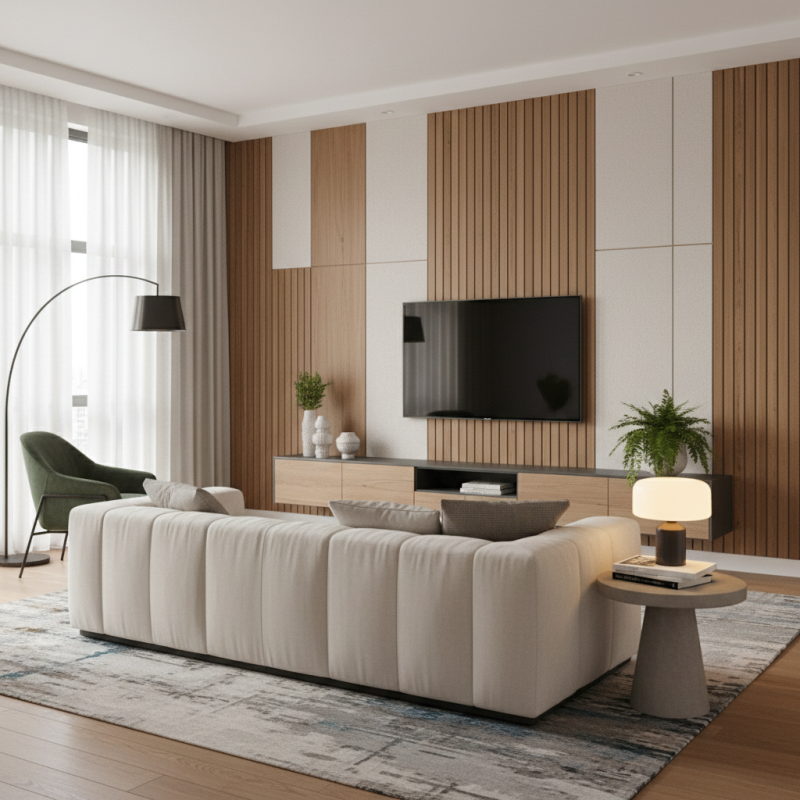
Understanding WPC Wall Panels: Composition and Benefits
WPC wall panels are gaining popularity in modern interior design. These panels are made from wood-plastic composites, a blend of wood fiber and thermoplastic. The result? Durable, eco-friendly walls that appeal to many homeowners. According to a report by Smithers Pira, the global market for WPC materials is expected to reach $10.8 billion by 2025. This growth reflects a rising demand for sustainable building materials.
One significant benefit of WPC wall panels is their resistance to moisture. Unlike traditional wood, they do not warp or swell when exposed to humidity. This makes them ideal for areas like bathrooms and kitchens. Additionally, WPC panels require minimal maintenance. They don’t need regular painting or sealing, which can save both time and cost. However, not all WPC products are created equal. Some may contain lower-quality materials, leading to quicker deterioration.
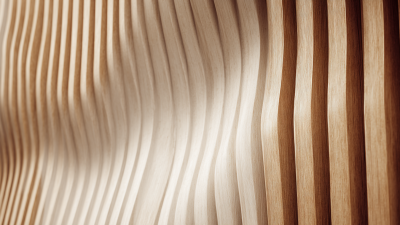
The aesthetic appeal of WPC panels is undeniable. They come in various textures and finishes, resembling natural wood. This versatility allows for creative designs in any room. However, achieving a truly cohesive look can sometimes be challenging. The color variations in different panels could be noticeable. Therefore, careful selection is crucial. Overall, WPC panels blend functionality with stylish design, making them a popular choice for modern interiors.
How to Use WPC Wall Panels for Stunning Interior Decoration
This chart illustrates the key benefits of WPC wall panels rated from 1 to 10. WPC wall panels are highly valued for their durability, aesthetic appeal, moisture resistance, cost-effectiveness, and eco-friendliness. Using these features can significantly enhance interior decoration.
Key Advantages of Using WPC Wall Panels in Interior Design
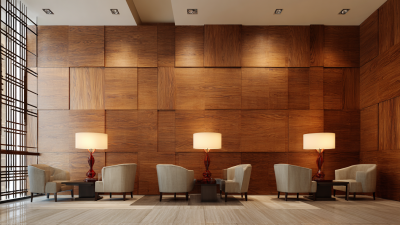
WPC wall panels offer a unique blend of aesthetics and functionality. These panels are made from a combination of wood and plastic, providing durability without sacrificing style. They are lightweight and easy to install, making them an attractive option for interior decoration. The natural wood finish adds warmth to any space. This can create a welcoming atmosphere in homes and offices alike.
One significant advantage is their resistance to moisture. Unlike traditional wood, WPC panels do not warp or swell in humid conditions. This makes them ideal for bathrooms and kitchens. Additionally, they require minimal maintenance. A simple wipe-down can keep them looking fresh. However, while they are sturdy, you might notice scratches over time. Using coasters or placemats can help mitigate this issue.
Moreover, WPC panels are designed to be eco-friendly. The materials used in production can often be recycled, contributing to sustainable practices. However, it’s essential to ensure that the panels you choose come from responsible sources. The market can sometimes mix eco-friendly products with less sustainable options. This aspect requires careful consideration. Overall, WPC wall panels provide versatility in design and practicality for any decorating project.
Installation Techniques for WPC Wall Panels: Step-by-Step Guide
When installing WPC wall panels, preparation is key. Begin by ensuring your walls are clean and dry. Use a level to check for any uneven surfaces. This step is crucial for a smooth installation. If you notice imperfections, consider sanding the high spots. Measure the area accurately and cut panels to fit. Precision in cutting can save time and effort during installation.
Next, gather your tools: a saw, adhesive, and a level. Apply adhesive evenly on the back of the panel. Press it firmly against the wall, making sure it aligns perfectly. Use spacers to maintain gaps for expansion. These gaps are often overlooked but can prevent warping later. Afterward, secure the panels with finishing nails if necessary. It’s easy to rush, but this can lead to misalignment.
As you progress, step back occasionally to assess your work. Getting lost in the details is common. Reflect on your placement and make adjustments as needed. The aesthetic choices matter greatly. Don't hesitate to pause and rethink the arrangement for the best visual outcome. Mistakes will happen, but they are part of the learning process. Embrace them, and you'll end up with a stunning result.
How to Use WPC Wall Panels for Stunning Interior Decoration
| Step |
Description |
Tools Required |
Duration |
| 1 |
Prepare the wall surface by ensuring it is clean and smooth. |
Cleaner, Spackling paste |
1 hour |
| 2 |
Measure the walls to determine the amount of WPC paneling needed. |
Tape measure, Pencil |
30 minutes |
| 3 |
Cut the WPC panels to fit the measurements of your wall. |
Circular saw, Safety goggles |
1 hour |
| 4 |
Apply adhesive to the back of the panels and press them onto the wall. |
Construction adhesive, Trowel |
2 hours |
| 5 |
Secure the panels with screws if needed and allow to dry. |
Screws, Screwdriver |
1 hour |
| 6 |
Finish with trim pieces to cover joints and gaps for a polished look. |
Miter saw, Trim adhesive |
1 hour |
Design Ideas and Trends for Incorporating WPC Wall Panels
WPC wall panels are gaining popularity for interior decoration. Their versatility caters to various design styles, from modern minimalism to rustic charm. According to a recent market analysis, the global WPC market is expected to grow by 12% yearly. This trend reflects growing consumer appreciation for sustainable materials.
Incorporating WPC panels can be an exciting yet challenging endeavor. They can be used as an accent wall in living rooms, making spaces feel warm and inviting. Textured surfaces offer a tactile element, enhancing visual interest. However, achieving a cohesive design can be tricky. Balance is key; too many contrasting elements can create chaos.
Current trends highlight the use of earthy tones and bold patterns. These choices resonate with the desire for natural aesthetics. Some designers advocate for organic shapes to soften the look. On the flip side, these trends can lead to overwhelming spaces if not executed thoughtfully. It's vital to consider lighting and furniture placement. Each element should complement the WPC panels, creating harmony in your interior design.
Maintenance Tips to Ensure Longevity of WPC Wall Panels
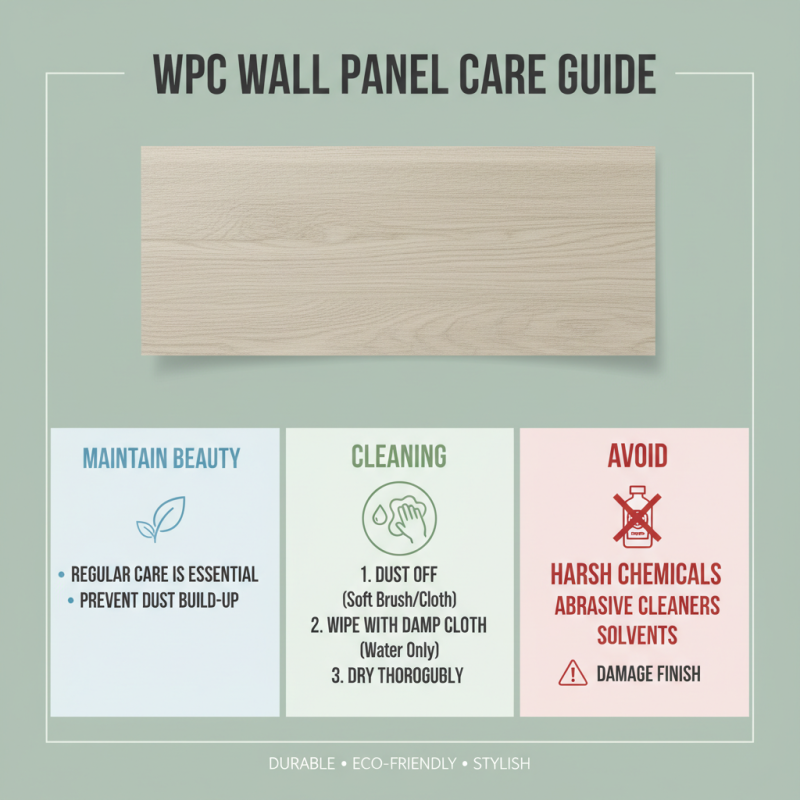
WPC wall panels are popular for their aesthetic appeal and durability. To maintain their beauty, regular care is essential. Dust and dirt can accumulate quickly. A damp cloth can effectively clean the surface. Avoid harsh chemicals as they can damage the finish.
Moisture control is crucial for longevity. Ensure that the panels are installed in well-ventilated areas. Excess humidity can cause warping or mold growth. Periodically, check the edges of the panels for any signs of wear. If you notice any issues, address them promptly.
Direct sunlight can fade colors over time. Consider using curtains or blinds to minimize sun exposure. This is often overlooked, yet it can make a difference. In addition, scratching can occur from heavy furniture. Be cautious when moving items around. WPC panels can be remarkable, but attention to these details is key.