What is WPC Wood Wall Panel Benefits and Applications?
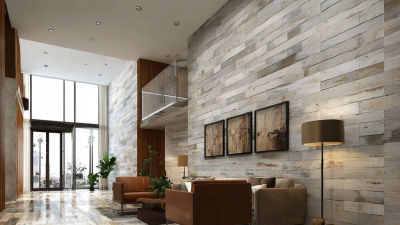
In recent years, WPC Wood Wall Panels have gained popularity in the interior design industry. According to Dr. Emily Carter, a leading expert in sustainable materials, “WPC Wood Wall Panels are transforming spaces with their unique blend of aesthetics and durability.” These panels offer numerous benefits, making them an excellent choice for both residential and commercial applications.
WPC Wood Wall Panels stand out due to their eco-friendly composition. They combine wood fibers and recycled plastics, reducing waste and utilizing sustainable resources. This combination results in panels that are not only visually appealing but also highly resilient. Many designers have started to realize their potential for creating stunning interior landscapes.
However, it is essential to consider the limitations as well. While WPC panels can be durable, they may react to extreme temperature changes. Some users have expressed concerns about maintenance and surface imperfections. It becomes crucial for potential buyers to weigh these factors. Exploring WPC Wood Wall Panels can lead to informed decisions, enhancing any living or working space creatively.
Understanding WPC (Wood Plastic Composite) Wall Panels
WPC, or Wood Plastic Composite, combines wood fibers and plastic. This mixture creates a material that is durable and weather-resistant. WPC wall panels have gained popularity in many applications, including residential and commercial spaces. They offer a unique blend of aesthetics and functionality.
WPC wall panels come with several advantages. They resist warping and splitting, which can be a common issue with traditional wood. Low maintenance is another benefit; they do not require painting or sealing. This can save both time and money. Additionally, WPC panels are eco-friendly, using recycled materials. Yet, it's essential to note that not all WPC products are created equally. Some may lack the desired performance, making careful selection crucial.
In terms of applications, WPC panels are highly versatile. They can be used indoors, as well as outdoors. Their ability to mimic the look of natural wood makes them appealing for modern design. However, they might not suit every aesthetic or climate. Reflection on your specific needs is vital before deciding.
Key Benefits of WPC Wood Wall Panels for Interior Design
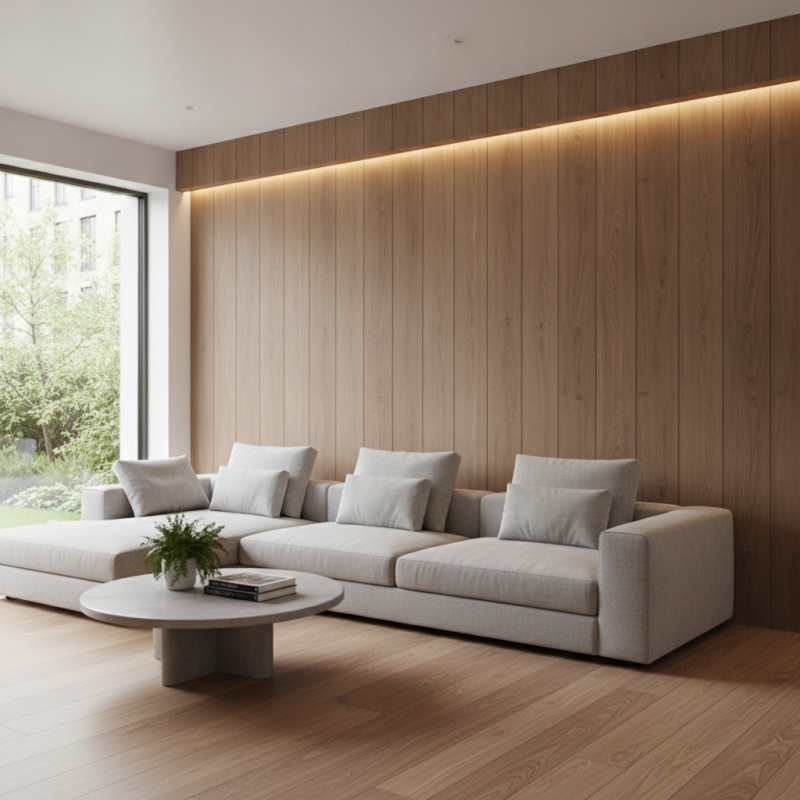
WPC (Wood Plastic Composite) wood wall panels have gained popularity in interior design. These panels blend wood fibers with plastic for a durable, attractive finish. They offer several key benefits, making them a smart choice for various spaces.
One major advantage of WPC panels is their resistance to moisture and insects. This feature makes them ideal for areas prone to dampness, such as basements or bathrooms. Installing WPC panels can significantly reduce the need for repairs and maintenance. Homeowners appreciate this long-term cost-saving aspect. The panels are also available in a variety of textures and colors, allowing for creative expression in interior design.
Tip: Consider mixing WPC panels with natural wood or other materials for a unique look. This combination can enhance texture and depth in your design.
A challenge with WPC panels is the need for proper installation. If not done correctly, the panels may warp or not fit as intended. It’s essential to follow guidelines closely and seek advice from experienced installers. The aesthetic appeal can be marred by poor work, so investing in expertise matters.
Tip: Before installation, plan your design carefully. Visualize the finished look to avoid unnecessary changes during the process.
Common Applications of WPC Wood Wall Panels in Construction
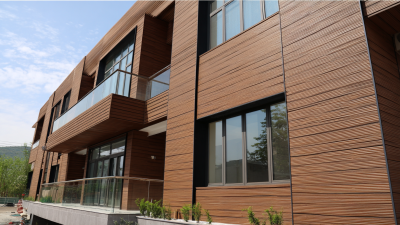
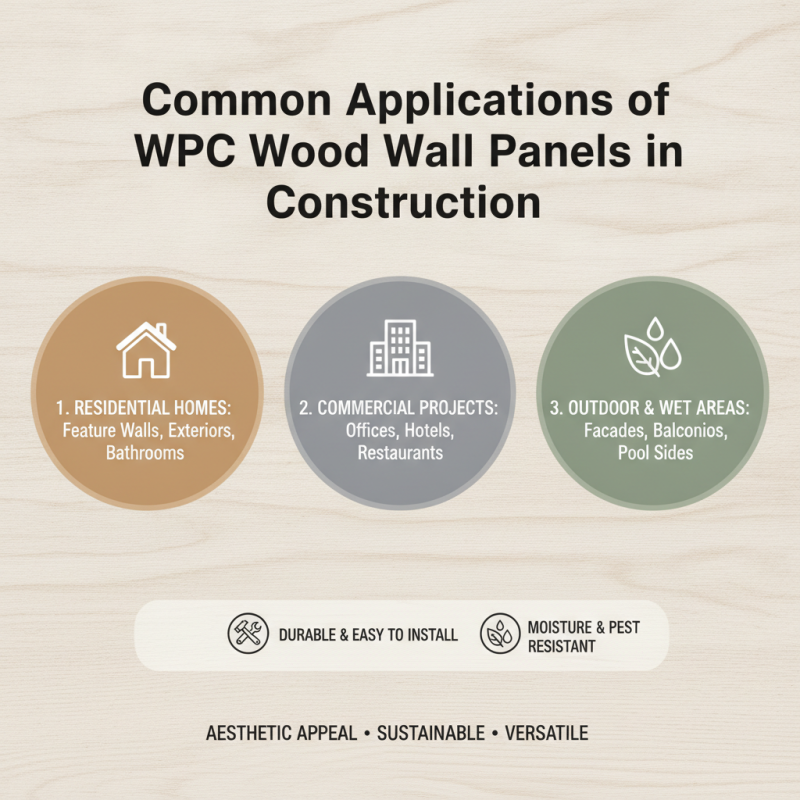
WPC wood wall panels are increasingly popular in construction. Their durability and aesthetic appeal make them suitable for various applications. Many architects choose WPC panels for both residential and commercial projects. They mimic the look of natural wood while offering resistance to moisture and pests.
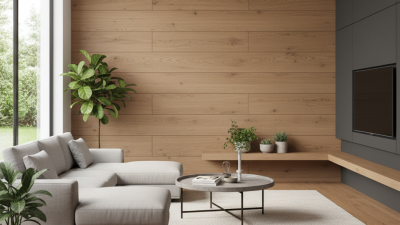
In homes, WPC wall panels are often used in living rooms and kitchens. They provide a warm, inviting atmosphere without the maintenance that real wood requires. In commercial spaces, these panels can enhance the look of offices and retail locations. They can be customized to fit different design themes, adding uniqueness to each project.
There are challenges associated with WPC panels. Installation can be complicated, requiring skilled labor to achieve a seamless finish. Some may find the initial cost higher compared to traditional materials. However, when considering longevity and reduced maintenance needs, the investment can be worthwhile.
Comparative Advantages of WPC Panels Over Traditional Materials
WPC (Wood Plastic Composite) panels present notable advantages compared to traditional materials. According to a report by MarketsandMarkets, the WPC market is expected to grow to $9.5 billion by 2025. This growth clearly highlights the increasing trust in WPC products. The blend of wood fibers and plastic creates a resilient material that naturally resists decay, making it an ideal choice for various applications.
One significant benefit of WPC panels is their environmental sustainability. Unlike traditional wood, which requires extensive harvesting and processing, WPC panels utilize recycled materials. This helps to reduce deforestation and waste. Furthermore, WPC panels have low maintenance requirements. They do not require regular painting or sealing, saving both time and costs over their lifespan. According to the American Society for Testing and Materials (ASTM), WPC panels also outperform traditional wood in terms of moisture resistance.
However, there are some challenges that WPC products face. For instance, concerns about the long-term durability of WPC under extreme weather conditions remain. Additionally, the aesthetics of WPC might not fully replicate the natural beauty of wood, which some consumers still prefer. As the industry develops, addressing these imperfections will be vital for long-term acceptance in architectural applications, ensuring WPC remains a competitive alternative.
Maintenance and Care Tips for WPC Wood Wall Panels
WPC wood wall panels are gaining popularity for their durability and aesthetic appeal. However, maintaining them requires a bit of attention. Regular cleaning is essential. Dust and dirt can diminish their natural beauty. Use a soft cloth with mild detergent. Avoid abrasive cleaners that can scratch the surface.
Preventative care is crucial for longevity. High humidity or extreme temperatures can affect the panels. Monitor indoor humidity levels. Ideally, keep it between 30% to 50%. Some studies show that humidity control can extend the lifespan of WPC panels by 20%. Repair any damage promptly, even minor scratches. They can lead to more significant problems over time.
Regular inspections help maintain structural integrity. Look for any signs of warping or fading. Touch up with compatible finishes if needed. Many users overlook these details and face unnecessary replacement costs. Professional cleaning services often recommend scheduling maintenance every six months to keep panels in top condition.
Benefits and Applications of WPC Wood Wall Panels
This chart illustrates the key benefits of WPC Wood Wall Panels, rated on a scale from 1 to 10. The ratings highlight the advantages in terms of durability, aesthetics, maintenance, cost-effectiveness, and sustainability, emphasizing the value of using WPC materials for wall paneling.