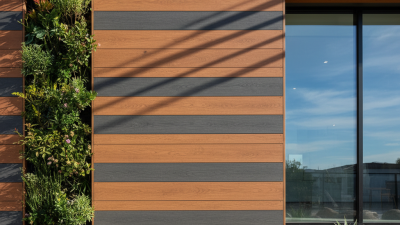
2026 Top Wpc Wall Cladding Trends for Global Buyers?
As the demand for sustainable building materials increases, WPC Wall Cladding is experiencing a notable rise in popularity. Industry expert Dr. Laura Chen emphasizes this trend by stating, "WPC materials not only offer durability but also enhance the aesthetic appeal of modern architecture." This insight reflects a growing recognition of WPC Wall Cladding's role in environmentally conscious design.
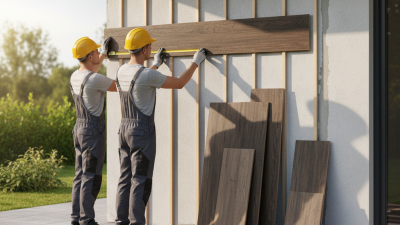
WPC Wall Cladding combines wood and plastic fibers to create a versatile, weather-resistant option. It's ideal for both residential and commercial applications. Global buyers are increasingly drawn to its unique benefits, such as low maintenance and high durability. However, challenges such as price fluctuation and quality variation can raise questions. Not every product available meets the high standards that consumers expect.
In 2026, buyers should be prepared for innovative designs and textures that push the boundaries of WPC Wall Cladding. The market is evolving rapidly, and staying informed is crucial. The journey toward better materials requires constant reflection on choices and practices within the industry. Balancing cost, sustainability, and style will be key for future implementations of WPC Wall Cladding.
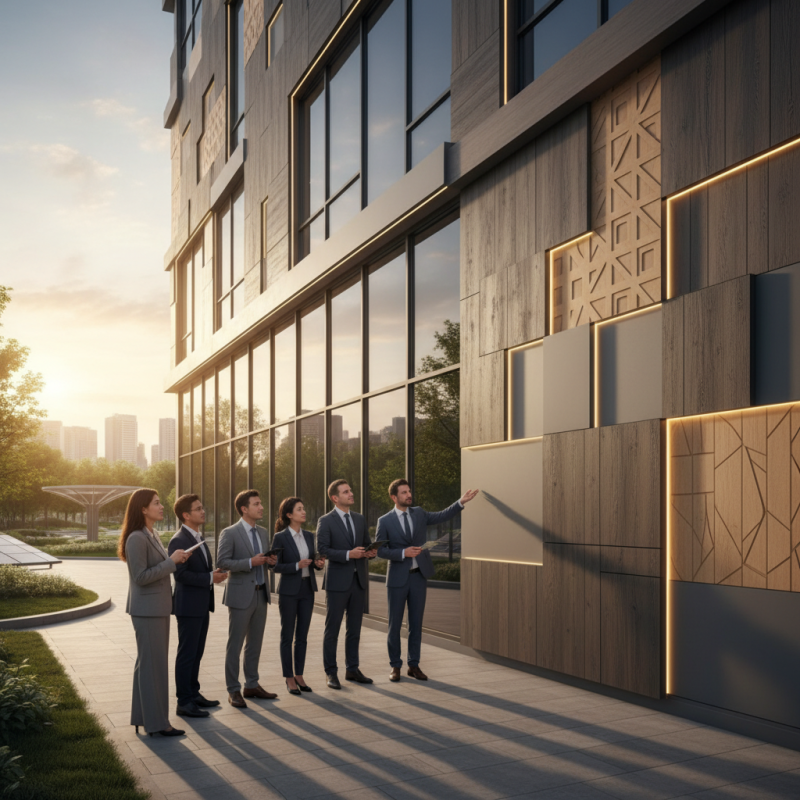
2026 Top Trends in WPC Wall Cladding for Global Markets
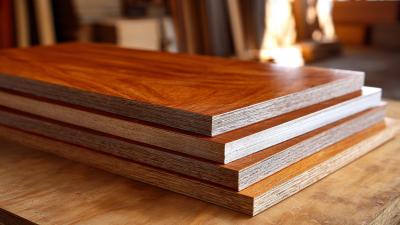
In recent years, WPC (Wood-Plastic Composite) wall cladding has gained immense popularity in global markets. The current trend forecasts a growth rate of 10% annually, reaching over $1.5 billion by 2026. This surge is driven by heightened demand for sustainable building materials. WPC blends durable plastic with recycled wood, offering an eco-friendly alternative for construction.
Color innovation is a significant trend in 2026. Manufacturers are expected to introduce vibrant hues alongside natural wood textures. These design choices appeal to both residential and commercial sectors. Data from industry reports shows that aesthetics are a key purchasing factor for over 56% of consumers. Additionally, surface treatments enhancing durability and weather resistance are becoming more commonplace. These features ensure longevity and reduce maintenance costs, which are essential for budget-conscious buyers.
Despite the growth trajectory, challenges remain. The market faces concerns over the long-term performance of WPC products. Some installations have reported issues with fading and wear over time. This ambiguity calls for more rigorous testing and transparent reporting from manufacturers. As buyers increasingly prioritize quality, companies must innovate while also addressing sustainability concerns. This ongoing conversation around performance and environmental impact shapes the WPC landscape as we approach 2026.
2026 Top WPC Wall Cladding Trends
This chart displays the projected trends in WPC (Wood Plastic Composite) wall cladding for global markets in 2026. The data reflects the expected increase in demand for various aspects of WPC wall cladding, which is gaining popularity due to its eco-friendly nature and durability.
Sustainable Materials Driving the WPC Wall Cladding Innovations
The market for wood-plastic composite (WPC) wall cladding is evolving, driven significantly by sustainable materials. In 2023, the demand for eco-friendly building materials surged. Reports indicate a 25% increase in the use of recycled plastics in WPC products compared to previous years. This trend reflects a broader shift toward sustainability, aligning with global goals for reducing carbon footprints in construction.
Sustainable options are now favored by many buyers. Innovations focus on enhancing durability while minimizing environmental impact. For example, companies increasingly incorporate agricultural waste and reclaimed wood fibers into their formulations. These ingredients not only boost sustainability but also present a unique aesthetic. However, challenges remain in achieving optimal performance and ensuring consistency throughout different product batches.
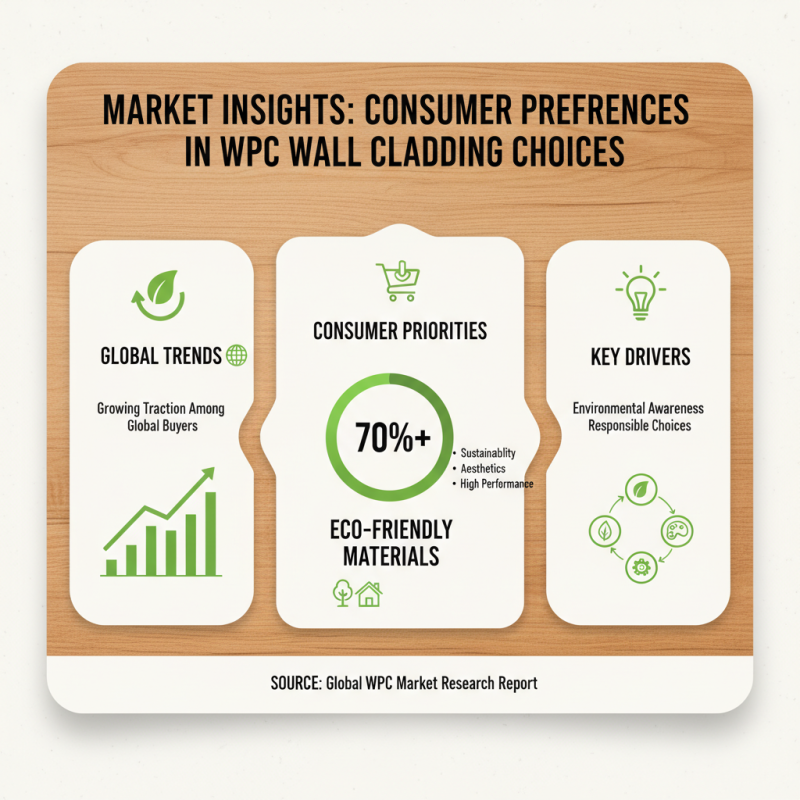
Consumer preferences are changing. Many buyers now seek products that do more than just look good. They want materials that contribute to an eco-friendly lifestyle. Industry data shows that 70% of buyers are willing to pay a premium for sustainably sourced materials. This willingness suggests a significant shift in consumer mindset, emphasizing the importance of sustainable practices in the building and construction sector.
Color and Texture Trends Influencing WPC Wall Cladding Design
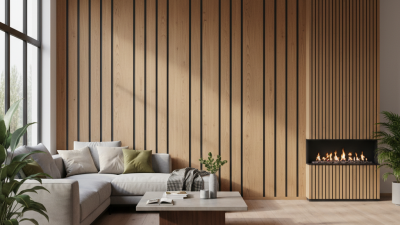
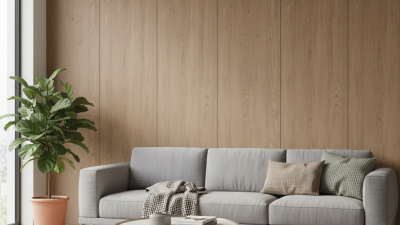
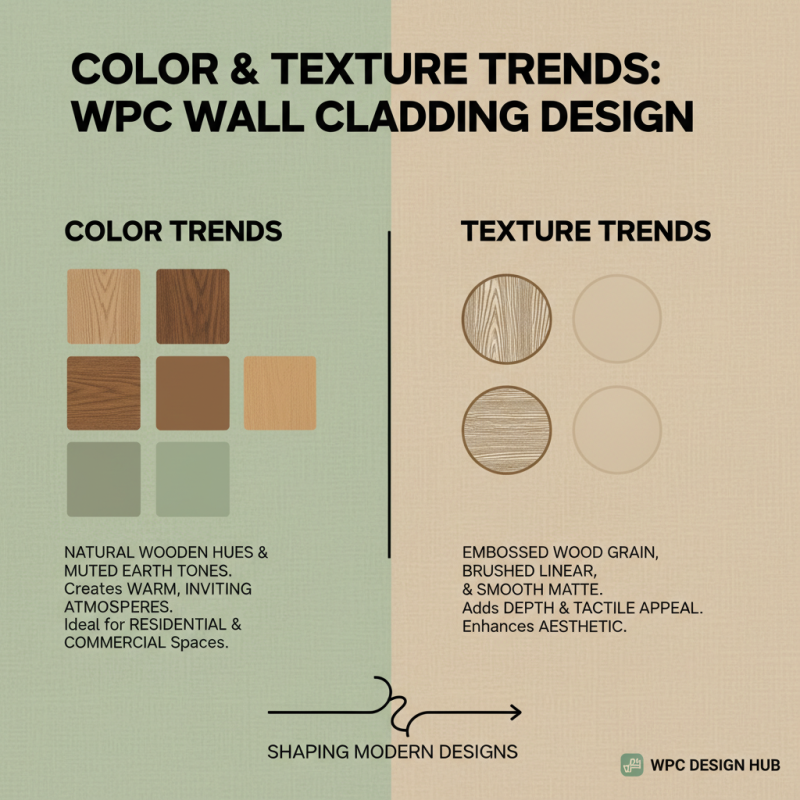
The world of WPC wall cladding is continuously evolving. Color and texture trends play pivotal roles in shaping the designs. Natural wooden hues and muted earth tones are gaining traction. These colors resonate with buyers looking for a warm, inviting atmosphere. They enhance the aesthetic appeal of both residential and commercial spaces.
Texture is equally important in wall cladding design. Smooth finishes evoke a modern, sleek vibe. In contrast, rough, textured surfaces add character and depth. Combining different textures can create visually stunning contrasts. This play on textures allows for unique designs that cater to individual tastes. While many tend to choose popular trends, it’s essential to reflect on personal style and preferences.
While opting for a trend, some may overlook the durability of materials. Not all colors or textures may withstand outdoor elements. Buyers should consider the longevity of both aesthetic appeal and functional integrity. Fluctuating environmental conditions can affect color fading and texture wear. Therefore, making informed decisions is crucial in selecting WPC wall cladding that not only looks good but also lasts.
Technological Advancements Enhancing WPC Wall Cladding Durability
Technological advancements in Wood Plastic Composite (WPC) wall cladding have significantly improved its durability. Research indicates that modern WPC products can resist weathering, moisture, and impact better than traditional materials. According to a report from the Composite Materials Association, WPCs can last up to 25 years with minimal maintenance. This impressive lifespan is largely attributed to innovations in polymer technology and the utilization of advanced additives.
However, while WPC wall cladding shows promising benefits, some issues still need addressing. For instance, UV resistance varies among different products. This inconsistency could result in uneven fading, affecting aesthetics. Experts suggest performing regular checks for signs of wear. Ensuring proper installation is also crucial for maximizing lifespan. And remember, light-colored options may require more maintenance than darker hues.
Tips: Choose WPC products with UV inhibitors for better longevity. Consider climate factors; locations with high humidity can present unique challenges. Regular cleaning can enhance durability too.