Why Choose Alternative Wood for Sustainable Sourcing?
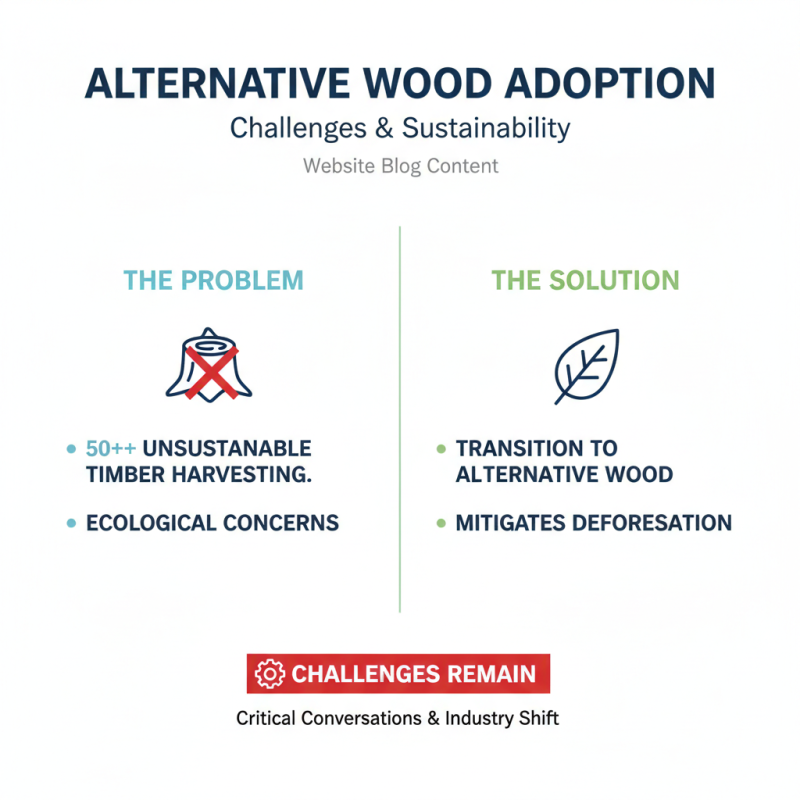
In recent years, the demand for sustainable sourcing has grown significantly. Traditional wood harvesting practices often lead to deforestation and habitat destruction. This has raised concerns about the environmental impact of using conventional lumber. As a result, many companies are turning to Alternative Wood options. These materials come from renewable resources and offer a more sustainable choice.
Alternative Wood can be sourced from fast-growing trees or recycled materials. This innovative approach helps reduce the pressure on forests. It allows businesses to maintain their commitment to environmentally friendly practices. However, not all Alternative Wood products are created equal. Some may not meet the same quality standards as traditional wood. It is essential to assess the durability and performance of these materials.
Choosing Alternative Wood also necessitates a shift in mindset. Consumers must embrace new materials and understand their benefits. This change can be challenging but necessary for preserving our planet. By exploring and investing in Alternative Wood, companies contribute to a healthier ecosystem. Ultimately, this decision may lead to a positive impact on both the environment and their brand image.
Understanding the Concept of Alternative Wood in Sustainable Sourcing
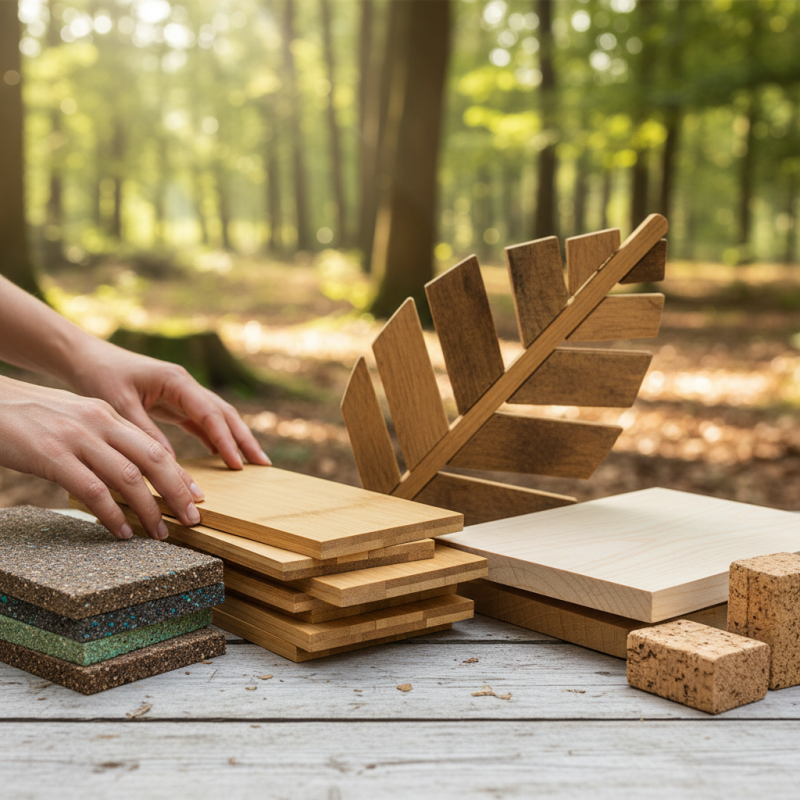
Alternative wood is gaining traction in sustainable sourcing. It refers to wood substitutes that minimize environmental impact. Traditional timber often leads to deforestation and biodiversity loss. Reports indicate that over 30% of global forests have been degraded or logged unsustainably. This crisis calls for innovative solutions.
Bamboo, reclaimed wood, and laminated veneer lumber (LVL) are notable alternatives. Bamboo can grow up to 3 feet in a day, making it a highly renewable resource. Reclaimed wood repurposes existing resources, reducing the need for new harvesting. The Forest Stewardship Council (FSC) notes that certification can spur responsible sourcing practices. However, certification isn't foolproof. Some suppliers misuse it, leading to greenwashing.
Adopting alternative woods can also present challenges. Availability may vary by region. The performance characteristics of these materials can differ significantly from traditional wood. Sustainable sourcing requires careful consideration of these factors to avoid unintended consequences. Engaging with experts and reliable data is essential for making informed choices. Embracing alternative wood can support a greener future but must be approached thoughtfully.
Why Choose Alternative Wood for Sustainable Sourcing?
| Dimension |
Details |
| Definition of Alternative Wood |
Materials sourced from sustainable forests or reclaimed wood to reduce environmental impact. |
| Environmental Benefits |
Reduces deforestation, lowers carbon footprint, and promotes biodiversity. |
| Types of Alternative Wood |
Bamboo, reclaimed wood, composite materials, and plantation-grown timber. |
| Economic Advantages |
Market demand growth, potential cost savings in sourcing and production. |
| Certifications to Look For |
FSC (Forest Stewardship Council), PEFC (Programme for the Endorsement of Forest Certification). |
| Impact on Supply Chain |
Encourages responsible sourcing practices and transparency among suppliers. |
The Environmental Benefits of Using Alternative Wood Materials
Using alternative wood materials is a key strategy for sustainable sourcing. Alternative wood, often derived from fast-growing species or reclaimed materials, offers significant environmental benefits. According to a study by the Forest Stewardship Council (FSC), responsibly sourced alternative wood can reduce deforestation rates by up to 30%. This is crucial as traditional logging practices lead to habitat loss and biodiversity decline.
Additionally, alternative woods often require less energy to process, resulting in lower carbon emissions. The Global Footprint Network estimates that the timber industry accounts for over 15% of global greenhouse gas emissions. By choosing alternative wood, companies can help mitigate climate change. Sustainable alternatives also promote local economies by supporting small-scale manufacturers.
Tips: Always look for certifications like FSC or PEFC to ensure your wood comes from credible sources. Consider integrating reclaimed wood into your projects. It not only reduces waste but also adds unique character to designs.
It's essential to recognize that not all alternative woods are created equal. Some may still impact ecosystems negatively. Evaluate the sourcing practices of suppliers carefully. Not every alternative wood option guarantees sustainability; diligence is needed in research and selection.
Environmental Benefits of Using Alternative Wood Materials
This chart demonstrates the environmental benefits of using alternative wood materials compared to traditional wood. The data highlights significant aspects such as carbon sequestration, water consumption, biodiversity impact, and waste reduction, showcasing how alternative wood contributes to sustainability.
Types of Alternative Wood and Their Sources in Sustainable Forestry
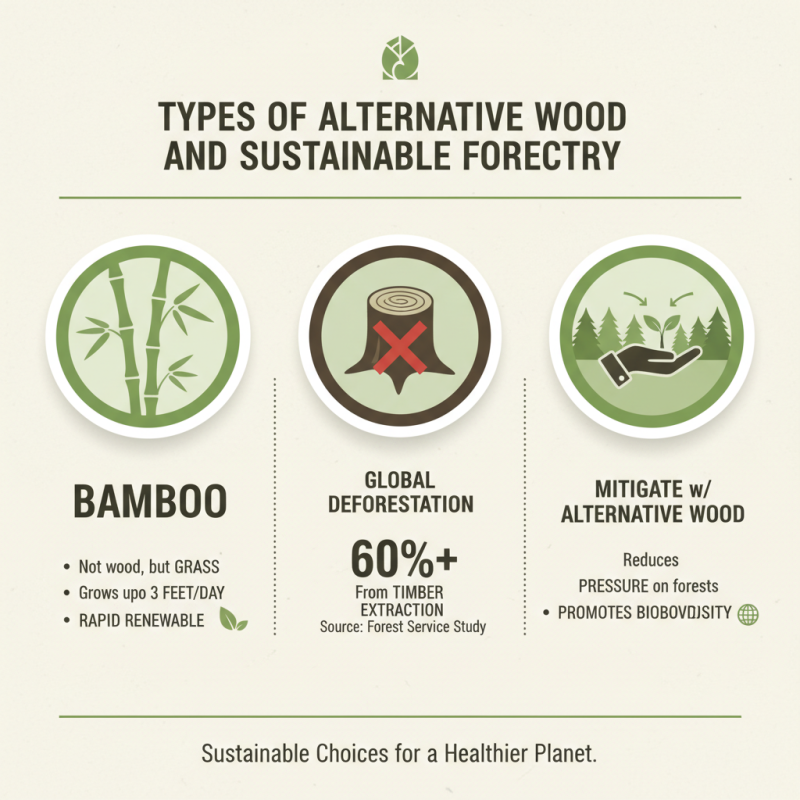
Alternative wood materials are gaining traction in sustainable forestry practices. Bamboo, for example, is not a wood but a grass. It can grow up to three feet per day, making it a rapid renewable resource. According to a study from the Forest Service, over 60% of global deforestation stems from timber extraction. Using alternative wood can help mitigate this issue.
Other types of alternative wood include engineered wood products like cross-laminated timber (CLT). Engineered wood is produced from smaller pieces of wood that are bonded together. This method reduces waste and can utilize faster-growing species. The Canadian Wood Council reports that CLT can store carbon effectively, mitigating some impacts of climate change.
Additionally, mango wood is emerging as a responsible choice. Often discarded after fruit production, it offers a second life for timber. However, dependency on alternative woods can have its pitfalls. It is crucial to ensure that sourcing practices are not exploitative. Transparency in supply chains is vital for genuine sustainability. This approach allows consumers to make informed decisions while supporting responsible forestry practices.
Economic Advantages of Implementing Alternative Wood Solutions
Alternative wood is gaining traction as a sustainable source for various industries. The economic advantages of implementing alternative wood solutions are substantial, making it an appealing option for businesses. A report by the Forest Stewardship Council estimates that using alternative wood can reduce costs by up to 20% compared to traditional hardwoods. This is significant when considering large-scale projects.
Furthermore, alternative wood often requires less processing, which lowers energy consumption and related costs. According to the International Union of Forest Research Organizations, many alternative trees grow faster than traditional species. This rapid growth can lead to quicker returns on investment. However, sourcing these materials can sometimes be challenging. Not every supplier meets quality standards, and some firms still favor conventional options.
Tips: When considering alternative wood, research suppliers thoroughly. Look for certifications that ensure sustainable practices. Engage with suppliers to understand their sourcing practices. Building relationships can lead to better pricing and quality assurance. Fostering this partnership can drive both economic and environmental benefits for your projects.