
Leave Your Message

How to Choose WPC Cladding Wall Panels?

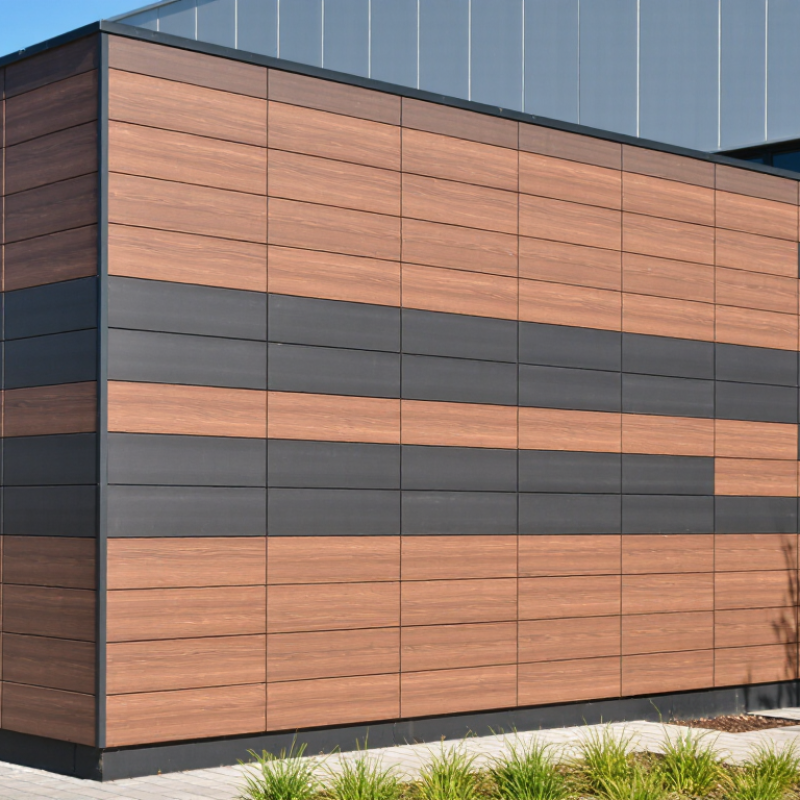
Choosing the right Wpc Cladding Wall Panel involves more than matching colours to a building’s exterior. A convincing surface can still fail under harsh sunlight, trapped moisture, poor ventilation, or careless installation. The real decision begins with performance.

Richard McLellan, a composite-cladding industry specialist, puts it plainly: “A panel should earn its place through performance, not appearance alone.” This principle supports a practical evaluation. Check the panel’s core composition, density, fire classification, water resistance, UV stability, and fixing system. Ask for technical data, test reports, and installation guidance. Do not rely only on attractive photographs.

Look closely at the project conditions. A coastal property may need stronger corrosion resistance. A shaded wall may require better moisture management. A busy commercial entrance needs a surface that tolerates repeated contact and cleaning. Measure the wall accurately, including corners, openings, and expansion gaps. Small mistakes become visible later.

Some choices remain imperfect. A thicker panel is not automatically better. A lower price may conceal higher maintenance costs. Even experienced buyers can overlook colour variation between batches. I have seen beautiful samples lose their appeal when installed beside mismatched trims. That is why this guide compares appearance, structure, maintenance, installation demands, and long-term reliability. The best Wpc Cladding Wall Panel is not simply the most stylish option. It is the panel that suits the building, climate, budget, and installer’s actual capability.
How to Choose WPC Cladding Wall Panels?

Understand WPC Cladding Wall Panels and Their Main Applications

WPC cladding wall panels combine wood fibers and polymer resin. They create a timber-like surface with more consistent moisture resistance than untreated wood. Their value depends on the application, not only appearance. Many panels suit exterior walls, balcony screens, garden rooms, entrance features, and ventilated façades. They also work indoors around dry areas, such as feature walls and reception spaces. Wet zones need scrutiny. WPC is not automatically waterproof.

When choosing panels, check the core composition, profile thickness, surface texture, UV performance, and drainage design. A hollow panel may reduce weight, but it needs firm support and carefully spaced battens. Leave movement gaps where the installation guide requires them. Sun-facing walls can heat quickly, especially behind dark finishes. A ventilated cavity helps manage moisture and temperature. Ask for fire classification, impact data, and test reports for the intended use. Local building rules still control the decision.

Look closely at the site before ordering. Uneven masonry, coastal salt, and poor air circulation can shorten service life. Clean dust with mild soap, not aggressive solvents. Panels require less painting, but they are not maintenance-free. That assumption causes trouble. A sample may look excellent indoors, yet repeated joints can appear different under outdoor light. Review full-size samples, fasteners, corner trims, and replacement access together. A careful choice balances appearance, structure, climate, and installation skill.

Compare Material Quality, Durability, and Environmental Performance

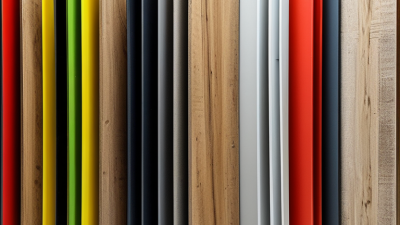
Choosing WPC cladding wall panels requires more than checking color and surface texture. Material quality starts with consistent density, uniform fiber distribution, and stable extrusion. Ask for independent test results, not only a product brochure. EN 15534 and ASTM D7031 cover important performance areas, including water absorption, flexural strength, and weathering. Check screw-holding strength too. Loose fixings can appear after seasonal movement.

Durability depends on the installation environment. Look for freeze-thaw testing, ultraviolet exposure data, and resistance to mold and termites. A panel that performs well in a dry climate may behave differently beside a wet coastline. I would question vague claims such as “maintenance-free.” No panel is maintenance-free. Inspect the substructure, ventilation gap, joints, and drainage details. These small choices often decide whether the cladding remains straight after several winters.

Environmental performance needs a wider view. UNEP’s Global Plastics Outlook reported 353 million tonnes of plastic waste in 2019, with only 9% recycled. Therefore, recycled plastic content matters, but it does not prove low impact. Request the percentage of recycled material, its source, expected service life, and end-of-life options. The 2023 Global Status Report for Buildings and Construction reported that buildings produced 37% of global energy and process-related emissions in 2022. Compare verified life-cycle data under ISO 14040 and ISO 14044. A heavier panel may last longer, yet require more material and transport energy. That trade-off deserves honest checking.

Choose the Right Panel Design, Size, Color, and Surface Finish

How to Choose WPC Cladding Wall Panels?

Panel design should match the building’s scale, not only the showroom sample. According to Grand View Research, the global wood-plastic composites market was valued at about USD 7.9 billion in 2023. This growth reflects demand for durable, low-maintenance materials, but WPC quality still varies. Select a design with clear installation details, concealed drainage, and enough ventilation behind the panel. Narrow boards can make a small façade feel taller. Wider boards create fewer joints and a calmer appearance. However, large panels may show thermal movement more clearly.

Panel size, color, and finish deserve equal attention. The U.S. Department of Energy notes that darker exterior surfaces absorb more solar heat than lighter ones. A dark brown panel may look elegant on a sample board, yet feel harsh across a sunny elevation. Leave movement gaps according to the manufacturer’s tested instructions. Choose lighter colors for exposed façades, especially in hot climates. Brushed finishes can hide minor scratches, while deep textures may collect dust. Smooth surfaces clean easily, but they can reveal marks faster. There is no perfect finish.

Tips: Order full-size samples. View them at morning and afternoon. Check the panel against windows, paving, and roof materials. Ask for verified data on fire performance, UV resistance, water absorption, and slip-free fixing. Reports from ASTM and ISO testing laboratories are more useful than attractive product claims. I would also inspect one installed section after rain. Small details often change the decision.

Evaluate Installation Methods, Maintenance Needs, and Site Conditions

How to Choose WPC Cladding Wall Panels?

Start with the wall. Installation depends on the substrate, building height, rainfall, and wind exposure. A drained rainscreen system usually performs better than direct fixing on uneven masonry. It creates a ventilation gap behind the panels and gives trapped moisture a route to escape. ASTM E331 testing can help compare water resistance, while ASTM E283 evaluates air leakage. These tests matter more than attractive surface samples.

Site conditions deserve careful inspection. Coastal projects face salt, strong ultraviolet exposure, and frequent wetting. Cold regions need allowance for expansion and contraction. Measure the wall before ordering panels, because small errors can create visible open joints. On real projects, installers often discover damaged sheathing after removing old cladding. That delay is easy to underestimate. Moisture changes everything.

Maintenance should match the location. A shaded wall may need only seasonal washing, while dusty or coastal elevations require more frequent cleaning. Avoid harsh solvents unless the manufacturer’s technical data approves them. Check joints, fasteners, flashings, and drainage openings at least annually. The 2023 Global Status Report for Buildings and Construction, published by UNEP and GlobalABC, states that buildings consume about 30% of global final energy and produce roughly 26% of energy-related emissions. Therefore, panel selection should also consider continuous insulation, thermal bridging, and airtight detailing. WPC alone cannot fix poor envelope design. That assumption needs challenging.

How to Choose WPC Cladding Wall Panels?

Relative planning priorities for installation, maintenance, and site conditions. A score of 1 indicates a lower priority, while 5 indicates a higher priority that should receive more attention during specification.

Wet or coastal locations require stronger moisture management and more frequent inspection of joints and fixings. Freeze-thaw environments require careful allowance for thermal movement and drainage, while high-UV façades benefit from stable color performance and accessible replacement panels. Actual requirements should be confirmed through local building codes, engineering calculations, and the panel installation guide.

Check Suppliers, Certifications, Costs, and Long-Term Value

How to Choose WPC Cladding Wall Panels?

A reliable supplier should provide batch traceability, installation guidance, and recent laboratory reports. Ask for the product’s resin content, recycled-material percentage, moisture absorption, and thermal expansion data. Certifications deserve careful checking. ISO 9001 confirms a quality-management system, not superior panel performance. Request test evidence for relevant standards, such as ASTM D7031 for wood-plastic composites, ASTM E84 for surface burning, and ISO 14025 environmental product declarations where available. Verify the testing laboratory and report date.

Price comparisons should include more than the panel quotation. Add subframes, trims, fasteners, cutting waste, installation time, cleaning, and expected replacement costs. The 2023 RICS Whole Life Carbon Assessment guidance supports life-cycle evaluation instead of relying only on initial cost. This matters because poor drainage or excessive movement can create repairs.

I once treated a low price as value. That assumption was incomplete.

Long-term value also depends on the building envelope. The 2024 Global Status Report for Buildings and Construction reports that buildings consume about 32% of global energy and produce approximately 34% of global carbon emissions. WPC cladding cannot solve this alone, but correct detailing can help protect insulation and reduce moisture-related deterioration. Compare warranties carefully. Check exclusions for fading, coastal exposure, installation errors, and color variation. Request a physical sample, then inspect it outdoors after several weeks. Small defects become expensive when repeated across an entire façade.