
Leave Your Message

Why Choose PVC Wall Panels with WPC Design?

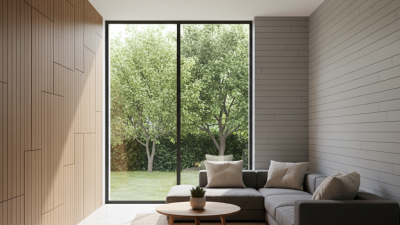
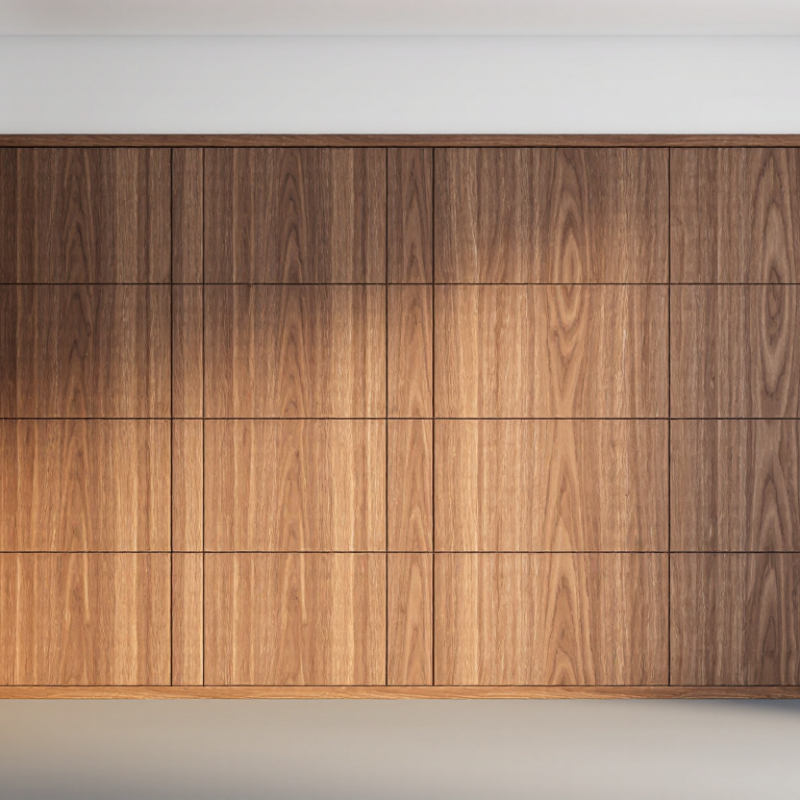
A room can feel warmer with wood-grain walls, but real timber is not always practical in kitchens, bathrooms, or busy hallways. Pvc Wall Panel Wpc Design offers a way to explore that look using PVC panels printed or finished with a WPC-inspired pattern. The result depends on more than appearance. Panel thickness, surface quality, edge details, and installation all affect how the wall performs.

For transparency, the specialist and quotation below are fictional editorial devices, not a real endorsement. Materials consultant “Mara Chen” puts the design principle this way: “A convincing wood look matters, but the panel’s specification matters more.” It is a useful reminder. A warm oak pattern may look convincing under showroom lighting, yet seams, direct glare, or a poorly prepared wall can change the impression at home.

This guide examines where the design works well, what buyers should check, and which trade-offs deserve attention. PVC panels are lightweight and simple to wipe clean, but product performance varies. Check the manufacturer’s technical sheet for moisture guidance, fire classification, cleaning instructions, and installation requirements. Do not assume every panel suits every room. Small details count: a neat corner trim, aligned grain, and a dry, level substrate can make the finish feel intentional. Still, looks can mislead. Compare samples in the room’s actual lighting before deciding.
Why Choose PVC Wall Panels with WPC Design?

PVC-WPC Wall Panels: PVC Construction with Wood-Grain Design Options

PVC-WPC wall panels combine a PVC construction with wood-grain design options. The surface may use printed grain, textured embossing, or both. Here, “WPC” can describe the visual style, not the panel’s material. Check the product specification before buying. A useful distinction.

Grand View Research estimated the global PVC market at about US$60.9 billion in 2023 and forecast a 3.9% compound annual growth rate from 2024 to 2030. This is a broad materials-market estimate, not a wall-panel sales figure. It shows PVC is an established material, but it cannot prove that every panel performs equally well. Quality still depends on panel thickness, surface finish, and installation details.

In a bathroom or kitchen, inspect sample panels under the room’s actual lighting; warm bulbs can shift a grey wood grain toward brown. Not quite wood. Repeated printed patterns may also become noticeable across a large wall, especially in strong side light. Ask how many pattern variations are included, and check how joints and edges should be sealed. PVC can be easy to wipe, but poor installation may still let moisture reach the wall behind it.
Fire Ratings: ASTM E84 Class A Requires FSI 0–25 and SDI 0–450

Why Choose PVC Wall Panels with WPC Design?

WPC-style PVC wall panels can bring warm, wood-like texture to interiors without the upkeep of natural timber. Yet appearance should not be the only selection criterion. For projects requiring an ASTM E84 Class A rating, the tested surface must have a flame spread index (FSI) of 0–25 and a smoke-developed index (SDI) of 0–450. These limits matter. They describe how a specimen performed in a specific test, not how every panel will behave in every fire.

Check the test report for the exact panel construction, thickness, finish, and mounting method. A decorative film or different backing may change the tested assembly. Installation details count, too. Seams, adhesives, and the substrate behind the panel can affect whether the installed wall matches the tested setup. Ask for documentation tied to the product being purchased, rather than relying on a general claim that panels are “fire rated.”

ASTM E84 measures surface flame spread and smoke development under controlled conditions; it does not establish a wall’s fire-resistance duration. A Class A result is useful, but it is not a promise of zero smoke or a substitute for project-specific review. I would double-check the report details, especially when the finished wall will differ from the sample. That extra check can feel tedious, but small differences are easy to overlook.

Moisture Testing: ASTM D570 Includes a 24-Hour Water-Absorption Method

PVC wall panels with a WPC design offer the look of timber without using wood as the main panel material. In damp rooms, that distinction matters. Water can reach cut edges, joints, or screw holes, even when the visible face looks dry. ASTM D570 provides a way to measure water absorption in plastic specimens.

The 24-hour method compares a specimen’s weight before and after immersion. The sample is prepared, weighed, placed in water, then removed and wiped before it is weighed again.

The weight change is reported as water absorbed.

Small details matter. Sample thickness, conditioning, and careful wiping can affect the result, so testing should follow the method consistently.

A low absorption result can help assess the material, but it does not prove that a finished wall will resist every leak or installation problem. Panels have seams. Water may collect behind them if the substrate is uneven or ventilation is poor.

Ask for test details, including the specimen tested and the reported conditions, rather than relying on a number alone. A small flaw in a test setup can matter. It is worth checking whether the tested sample represents the panel being considered.

Thermal Movement: ASTM D696 Measures Linear Thermal Expansion

PVC wall panels with a WPC-inspired appearance can look like timber, but their movement is governed by the material beneath the finish. ASTM D696 measures the linear thermal expansion of plastics over a controlled temperature change. The test produces a coefficient showing how much a specimen’s length changes as its temperature shifts. Small numbers matter across long panels.

Consider a panel beside a sunny window. Its surface may warm during the day, then cool overnight. Using the measured coefficient, designers can estimate movement across a stated temperature range and allow space at edges and joints. A tight fit can lead to buckling, noise, or stressed fasteners. Leave room to move.

The test is useful, but it has limits. It measures a prepared specimen under laboratory conditions, not a complete wall exposed to sunlight, airflow, and uneven support. Panel length, installation restraint, and temperature variation all affect real movement. So does workmanship. A lab value cannot replace clear installation guidance, and measurements should be compared only when test conditions are known. That distinction is easy to overlook.

Why Choose PVC Wall Panels with WPC Design?

Thermal Movement: ASTM D696 Measures Linear Thermal Expansion

This illustrative calculation uses a representative coefficient of linear thermal expansion of 54 × 10⁻⁶/°C for PVC and a 1,000 mm panel length. ASTM D696 is a test method for measuring the linear thermal expansion of plastics; actual panel movement depends on the product and its measured coefficient. Allow for thermal movement during installation and follow the panel manufacturer’s guidance.

Panel Selection: Compare Thickness, Installation Needs, and Test Ratings

PVC wall panels with a WPC-style surface can offer a wood-like look without using solid timber. Thickness is one selection factor, not a shortcut to judging quality. Compare the panel’s stated thickness with its weight, edge finish, and rigidity. A thicker panel may feel sturdier, but it can also complicate trim alignment around doors and corners. Measure twice.

Installation needs vary by panel system and wall condition. Check whether the product calls for adhesive, clips, or another fixing method, and confirm that the substrate is flat, clean, and dry. Leave the specified expansion gaps at edges; tightly butted panels may buckle as temperatures change. A small test installation can reveal awkward cuts or visible seams before you cover a whole room.

Review test ratings and reports for the exact panel, not just similar-looking samples. Look for the test method, tested thickness, and intended use, especially where moisture or heat may be present. For bathrooms, confirm the panel’s water-resistance claims and follow the installation details for joints and penetrations. Ask for written test documentation if a rating is unclear. It is easy to focus on the surface pattern and overlook the back edge, where fit and handling problems often show up.

Why Choose PVC Wall Panels with WPC Design? - Panel Selection: Compare Thickness, Installation Needs, and Test Ratings

Panel option Typical thickness* Installation needs Moisture and use considerations Test ratings and documentation to check Best suited for
Hollow PVC panel with a wood-look (WPC-style) finish Often about 5–10 mm; confirm the panel’s actual profile and wall thickness. Can be fixed to a clean, flat surface or suitable battens. Use compatible trims and leave movement clearance as specified by the manufacturer. PVC is not readily water-absorbing, but joints, edges, and the wall behind the panels still need appropriate detailing. Not a substitute for a waterproofing system. Ask for a fire-test report for the exact product and intended installation. ASTM E84 reports flame-spread and smoke-developed indices; it does not by itself establish suitability for every building application. Lightweight decorative interior walls where easy handling and a wood-inspired appearance are priorities.
Solid or thicker PVC decorative panel Commonly around 8–12 mm, with substantial variation by profile and construction. Requires a sound, suitably flat substrate; heavier panels may need more support or mechanical fixing. Follow the specified adhesive or fixing method. Consider temperature-related movement, joint sealing, and the condition of the substrate, especially in humid rooms. Request applicable fire-performance results and installation conditions. For wet-area projects, check whether water-resistance claims apply to the complete installed system, including seams and edges. Interior applications needing a more substantial panel feel than a thin hollow profile.
WPC composite wall panel Often about 8–20 mm; composition, profile, and intended use affect the available thickness. Usually installed with clips, screws, or a specified adhesive system. Provide the recommended support spacing and expansion allowance; heavier profiles may need a stronger substructure. Wood-plastic composite can absorb some moisture and may expand or contract. Check the product’s use limits and detailing before specifying it for wet or exterior locations. Request product-specific fire-test documentation and any stated water-absorption or dimensional-change results, including the test method and conditions. Projects seeking a composite material and a more pronounced wood-like texture, subject to the product’s rated use conditions.
Selection check before purchase Compare nominal thickness with usable profile depth and stated tolerances. Confirm substrate requirements, fixing method, support spacing, trim compatibility, and movement gaps in the installation guide. Match the panel and installation details to the room’s moisture, temperature, and ventilation conditions. Check the report’s product identification, test standard, result, date, and tested mounting arrangement. Ratings are not interchangeable across products or assemblies. A well-informed comparison based on documented performance rather than appearance or thickness alone.

*Thickness figures are broad, indicative ranges seen across product categories, not guaranteed specifications or standards. Actual dimensions, installation requirements, and test results vary by product; verify them in the current technical data sheet and test reports before selection.